
Sourcing reliable medical device components requires strict attention to detail. A single faulty polymer or microscopic sensor defect can completely derail your production line and compromise patient safety. To find the best materials and the most capable manufacturing partners, you must evaluate them in person. Relying solely on digital catalogs leaves too much room for error.
The upcoming Medtec China exhibition offers the perfect environment for this hands-on evaluation. Recognized globally as Asia’s leading event for medical device research, development, and manufacturing, it connects international buyers directly with the upstream supply chain. The exhibition takes place from September 1-3, 2026, at the Shanghai New International Expo Center (Halls N1-N4).
You can secure a free early bird pass by registering your procurement and engineering teams between April 1 and August 30. If you wait until the doors open, you will face a mandatory 100 RMB on-site registration fee per person. Register your group today to claim your free tickets and start planning a highly productive, strategic sourcing trip.
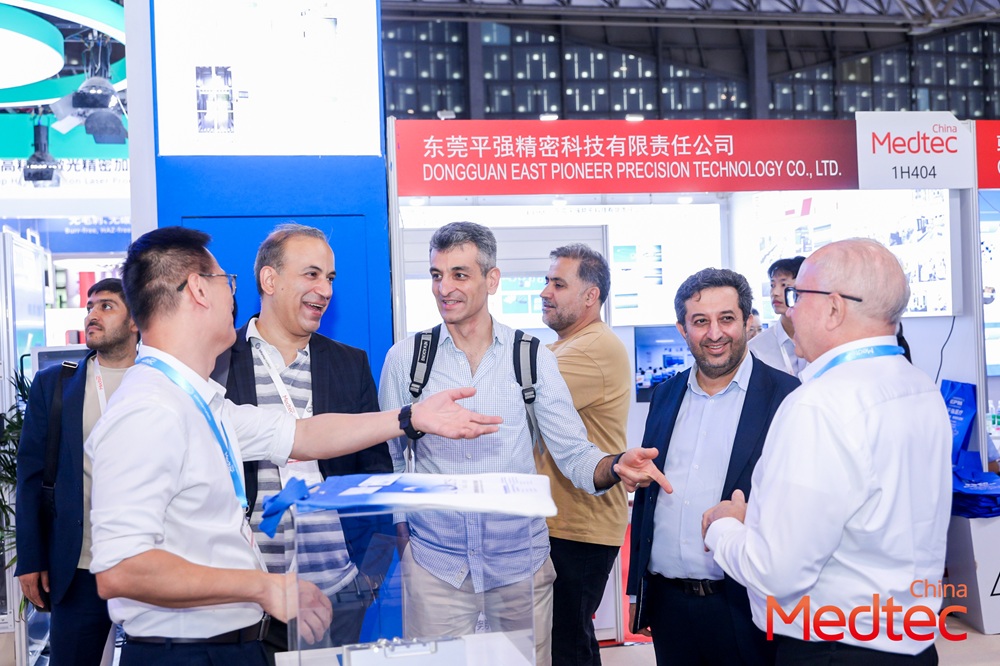
Establish Your Sourcing Baselines
You cannot effectively evaluate a new component if you do not know exactly what your production line requires. Before you walk onto the exhibition floor, you must define your specific engineering and procurement parameters.
Define Your Material Requirements
Sit down with your engineering team and map out your exact material needs. Are you looking for highly durable, eco-friendly medical polymers? Do your new wearable devices require ultra-miniature electronic sensors? Write down your specific tolerance limits, desired tensile strengths, and required electrical outputs. Bringing these strict baselines to the trade show prevents you from getting distracted by impressive, but ultimately irrelevant, technologies.
Determine Your Target Volumes
Suppliers operate on vastly different scales. Some excel at rapid prototyping and low-volume batch orders, while others only accept massive global manufacturing contracts. Know your expected Minimum Order Quantities (MOQs) before you approach a booth. This knowledge allows you to immediately filter out suppliers who cannot meet your scale, saving both parties valuable time.
Evaluating Quality and Regulatory Compliance
Medical components hold zero value if they fail an international safety audit. Your evaluation process must prioritize regulatory compliance above all other factors, including unit price.
Demand Proof of Certification
Never take a supplier’s word regarding their quality control standards. When you inspect a new component, immediately ask the booth representative for their compliance documentation. A reputable manufacturer will gladly provide physical or digital proof of their ISO 13485 certifications. If you plan to sell your final product in North America or Europe, ask to see their specific FDA audit history or CE marking records.
Inspect the Physical Samples
The primary benefit of attending an international exhibition is the ability to handle components physically. Pick up the extrusion tubing and test its flexibility. Examine the surface finish of a specialized titanium implant under a magnifying lens. Look for microscopic inconsistencies, burrs, or weak bonding points. A physical inspection tells you far more about a supplier’s true manufacturing capabilities than a glossy sales brochure ever could.
Assessing Manufacturing Capabilities
Beyond the component itself, you must evaluate the company that builds it. A great product means very little if the manufacturer cannot deliver it consistently on your required timeline.
Ask About Quality Management Systems
Talk to the senior engineers at the booth about their internal quality control processes. How do they handle defect management? Do they rely on manual visual inspections, or do they use advanced artificial intelligence cameras to catch microscopic errors? Suppliers who invest heavily in automated Quality Management Systems (QMS) offer significantly lower defect rates and more reliable lead times.
Trace the Raw Material Supply Chain
A component manufacturer is only as reliable as their own material suppliers. Ask the exhibitor where they source their base plastics, metals, or electronic chips. If they rely on a localized, highly integrated supply chain, they can likely weather global shipping disruptions. If they import basic materials from multiple high-risk regions, they carry a much higher risk of delaying your orders.
Tips for Effective On-Site Decision-Making
Navigating a massive exhibition hall requires sharp focus. Use these practical strategies to make confident, data-driven sourcing decisions during the event.
- Bring Your Technical Blueprints: Hand your CAD drawings directly to a supplier. This allows their engineering team to provide immediate, highly accurate feedback on tooling costs and production timelines.
- Compare Multiple Vendors Back-to-Back: Do not sign a contract with the first supplier you meet. Identify three companies offering similar components. Visit their booths in rapid succession to compare their physical samples, pricing structures, and communication styles while the details remain fresh in your mind.
- Look for True Partnerships: You want a supplier who acts as an extension of your own team. Pay attention to how they answer your questions. Do they offer proactive suggestions to improve your component design? Suppliers who offer strong Original Design Manufacturing (ODM) feedback make the best long-term partners.
Secure Your Supply Chain Future
Attending a major manufacturing exhibition allows you to build a deeply resilient, high-quality supply chain. By defining your baselines, strictly evaluating compliance, and asking targeted engineering questions, you remove the guesswork from international procurement.
Take control of your manufacturing destiny today. Review your upcoming project pipelines, finalize your component requirements, and secure your registration for Medtec 2026. Step onto the exhibition floor perfectly prepared to discover the innovations and partnerships necessary to lead the global medical device industry.