
Navigating an international manufacturing trade show requires more than just booking a flight and grabbing a floor map. Sourcing medical device components across borders involves evaluating complex materials, verifying regulatory compliance, and negotiating with unfamiliar suppliers. If you want to secure the best manufacturing partnerships, your work must begin months before you arrive at the convention center.
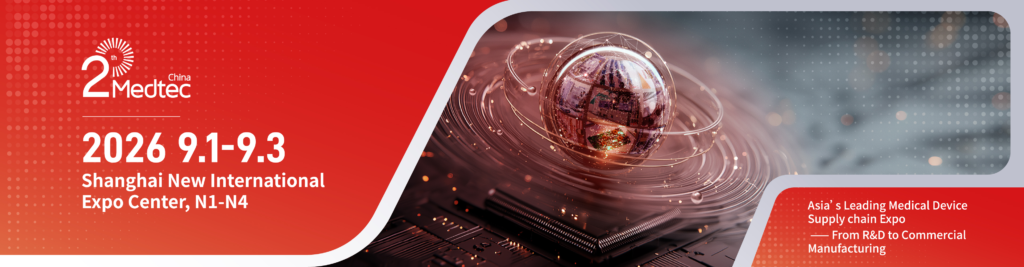
Medtec Shanghai provides the ultimate environment for discovering advanced medical technology. As a premier event dedicated strictly to medical device research, development, and manufacturing, it connects global buyers directly with the upstream supply chain. The exhibition takes place from September 1-3, 2026, at the Shanghai New International Expo Center (Halls N1-N4). You can secure your free early bird pass by registering between April 1 and August 30. Waiting until the event begins means paying a 100 RMB on-site registration fee. Register your team for this leading China medical exhibition 2026 today to claim your free tickets and start planning a highly productive sourcing trip.
Why Pre-Show Research Determines Your Success
Stepping onto a massive exhibition floor without a strategy quickly leads to decision fatigue. Thousands of contract manufacturers, material scientists, and automation engineers will compete for your attention.
International buyers face a unique set of challenges. You have limited time on the ground, and your corporate travel represents a significant financial investment. Conducting thorough pre-show research ensures you target the exact suppliers who can solve your specific engineering bottlenecks. It shifts your strategy from passive browsing to active, highly targeted procurement.
Key Research Areas to Target Before You Fly
Effective preparation requires looking internally at your own operations before you evaluate external suppliers. Break your pre-show research down into these core categories.
Audit Your Internal Supply Chain Gaps
Do not travel across the globe to look for generic components. Sit down with your product engineers and quality control managers to identify your most critical vulnerabilities.
- Are your current biocompatible plastics failing stress tests?
- Do you need a secondary supplier for micro-machined sensors to prevent production delays?
- Is your facility falling behind because it lacks automated visual inspection cameras?
Write down three to five primary procurement targets. Knowing exactly what you need prevents you from getting distracted by impressive, but irrelevant, machinery displays on the show floor.
Vet Potential Exhibitors Online
The event organizers publish a comprehensive exhibitor list long before the doors open. Treat this list as your primary research tool. Filter the database by specific engineering categories, such as advanced ceramics, smart factory automation, or sterile packaging.
Shortlist ten to fifteen high-priority suppliers. Review their corporate websites to verify their production scale and technical capabilities. Look for clear indicators of medical manufacturing expertise, such as cleanroom assembly capabilities and established Original Design Manufacturing (ODM) services.
Understand the Shifting Regulatory Landscape
Medical components hold no value if they fail an international safety audit. While your ultimate goal is likely FDA or CE compliance, understanding local manufacturing standards helps you vet suppliers more effectively. Research the basic frameworks of ISO 13485 certification. When you know what compliance documentation looks like, you can ask factory owners highly specific questions about their internal quality management systems the moment you meet them.
Prepare Your Technical Documentation
Never approach a highly capable contract manufacturer empty-handed. Preparing your technical documents before the show instantly elevates the quality of your vendor negotiations. It proves you are a serious international buyer ready to execute a contract.
Gather your exact engineering requirements and organize them into physical folders. You should bring:
- Detailed CAD drawings of the components you need.
- Precise material specifications and tolerance limits.
- Your expected minimum order quantities (MOQs) for both prototypes and mass production.
Handing these documents directly to a supplier’s engineering team speeds up the vetting process. It allows them to provide immediate, actionable feedback on their actual production capabilities and estimated costs.
Tips for Maximizing Your Event ROI
Once your research is complete, you must build a structured itinerary that protects your time and energy. Use these practical steps to guarantee a high return on your travel investment.
Pre-Book Dedicated Vendor Meetings
Do not leave your most important interactions to chance. Once you identify your top supplier candidates through your online research, reach out to them directly. Schedule dedicated meeting times at their specific booths. Reserving a time slot ensures you bypass the general sales staff and speak directly with senior engineers and factory owners.
Plan for Local Facility Audits
Shanghai anchors a massive, deeply integrated medical manufacturing ecosystem. Take full advantage of this geographic reality. If you find a highly promising supplier during your initial research, ask to tour their local factory after the exhibition concludes. Seeing their actual production lines, testing laboratories, and cleanrooms provides undeniable proof of their capabilities and builds deep mutual trust.
Map the Engineering Pavilions
Review the physical floor plan of Halls N1 through N4. The organizers group vendors logically by their engineering disciplines. Group your planned meetings by these specific physical zones. Navigating the floor systematically prevents you from walking back and forth across the massive convention center, keeping your team energized for high-stakes negotiations.
Secure Your Global Manufacturing Advantage
A successful international sourcing trip relies entirely on the work you do before you board your flight. By auditing your supply chain, vetting exhibitors early, and preparing your technical data, you position your team to secure the best manufacturing partnerships available. Take control of your global procurement strategy. Review your upcoming project requirements, identify your critical material gaps, and secure your registration for the event today. Step onto the exhibition floor with confidence and build the robust supply chain necessary to lead the medical device industry into the future.