
Securing high-quality manufacturing partnerships overseas requires more than just a solid technical blueprint and a good price. In Chinese business culture, personal relationships and mutual respect form the foundation of every successful contract. If you want to negotiate effectively and secure the best supply chain partners, you must understand the cultural nuances that drive local business decisions.
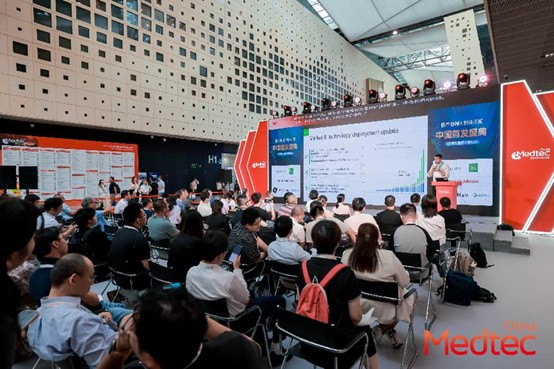
You can put these essential etiquette practices to work at the upcoming Medtec China show. Recognized globally as Asia’s premier event for medical device research, development, and manufacturing, it connects international buyers with top-tier local suppliers. The exhibition runs from September 1-3, 2026, at the Shanghai New International Expo Center (Halls N1-N4). You can secure your free early bird pass by registering your procurement team between April 1 and August 30. Waiting until the doors open will result in a 100 RMB on-site registration fee. Register for this essential China medical exhibition today to claim your free tickets and start building profitable, long-lasting partnerships.
The Concept of Guanxi (Relationship Building)
In Western business culture, companies often sign contracts quickly based purely on margins and production metrics. In China, business moves at the speed of trust. This concept, known as “Guanxi,” translates loosely to “relationships” or “connections,” but its meaning runs much deeper.
Guanxi dictates that you must establish a personal connection before you can expect a reliable professional commitment. When you meet a new supplier at their booth, do not immediately launch into a fierce negotiation over minimum order quantities. Instead, spend the first few minutes making polite conversation. Ask about their travel to the expo, discuss your positive impressions of Shanghai, and show genuine interest in their company’s history. Investing time in Guanxi ensures your supplier will prioritize your orders and support you when unexpected production challenges arise.
The Art of the Business Card Exchange
Exchanging business cards represents a highly formalized ritual in Chinese corporate culture. Treating this exchange casually signals a lack of respect and can damage a relationship before it even begins.
- Use Two Hands: Always present your business card using both hands, with the text facing the recipient so they can read it immediately.
- Receive with Respect: When a supplier hands you their card, accept it with both hands. Take a moment to actually read their name and job title.
- Never Pocket It Immediately: Do not shove the card into your back pocket or a messy bag. If you are sitting at a meeting table, place the card respectfully on the table in front of you. If you are standing, place it carefully into a dedicated cardholder.
- Bilingual Translation: Print your business cards with English on one side and simplified Chinese on the reverse. Hand the card over with the Chinese side facing up.
Understanding Mianzi (Saving Face)
“Face” or “Mianzi” represents a person’s reputation, dignity, and social standing. In Chinese business etiquette, you must always protect the face of your potential partners, especially senior leadership.
Never openly criticize a supplier’s product or contradict a factory owner in front of their staff. If you find a flaw in a medical component during a booth demonstration, address it privately and politely. Frame your concerns as collaborative questions rather than direct accusations. For example, instead of saying, “This material fails our stress test,” say, “How can we work together to increase the tensile strength of this polymer?” Preserving your partner’s face ensures they remain open to your feedback and willing to improve their processes.
Hierarchy and Meeting Protocols
Chinese corporate structures rely heavily on strict hierarchy. Recognizing and respecting this hierarchy is crucial for successful negotiations.
When you approach a booth or enter a meeting room, always address the most senior person first. You can usually identify the senior leader by their title or the deferential way their team treats them. Direct your primary conversation toward this individual, even if a junior engineer does most of the translating. Furthermore, ensure your own delegation matches this structure. If the factory owner attends the meeting, the highest-ranking executive on your team should lead the discussion on your side.
Dining and Entertainment Etiquette
Many significant business breakthroughs happen after the exhibition halls close. If a supplier invites you to dinner, accept the invitation enthusiastically. Business dinners represent a massive step forward in building Guanxi.
- Seating Arrangements: Let your host guide you to your seat. The seat facing the door is traditionally reserved for the host or the highest-ranking guest.
- Toasting Protocol: Expect multiple toasts throughout the meal. When clinking glasses, try to hold the rim of your glass slightly lower than your host’s glass as a sign of respect.
- Dining Habits: Try a little bit of every dish served to show appreciation for the host’s hospitality. Never leave your chopsticks sticking vertically out of a bowl of rice, as this resembles incense burned for the dead and is considered highly offensive.
Prepare for International Success
Mastering business etiquette completely transforms how you source critical medical components. When you show respect for local cultural norms, suppliers view you as a trusted partner rather than just another transactional buyer.
Take control of your global procurement strategy right now. Review your upcoming project requirements, prepare your bilingual business cards, and secure your registration for Medtec China 2026. Step onto the exhibition floor with total cultural confidence and build the robust manufacturing partnerships necessary to lead the global medical device industry.