
New Plasma Process for Surface Treatment of Implants
This new technique in surface modification using a unique form of electron-driven plasma treatment has been shown to improve performance of metal and alloys, as well as improve osseointegration of polymer implants.

Human Factors Engineering (HFE) During the COVID-19 Pandemic
While COVID-19 has made face-to-face testing challenging, alternatives such as desk-based analyses, remote testing, and carefully controlled in-person studies offer potential solutions.

Cardiac Patch with Bioink Developed to Repair Heart
New method could be a breakthrough treatment of myocardial infarction.

Developing Raw Technology
How can engineers developing medical devices explore novel technology?
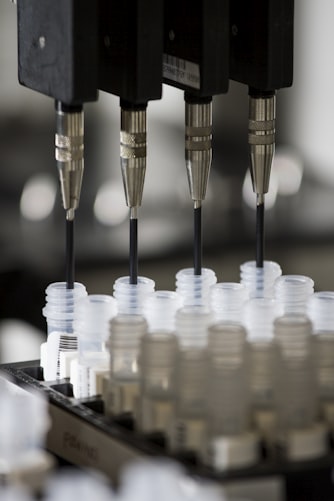
Re-engineering Medical Devices to Stay Competitive
The redesign of a wound closure device enabled a medical device company to achieve the same function at a lower price and to maintain its edge in a competitive marketplace.

Is Your Ultrasound R&D Team Exposed to Harm?
A guide to practicing safe sounds.

Relative Health Limited Complete Cuff-Less Blood Pressure Trial
Working with the National Health Service, UK based Relative Health Limited have completed their first full scale clinical trial of their new Optical cuff-less Blood Pressure technology.

These ‘smart’ bandages could heal chronic wounds
UConn biomedical engineers are touting a wirelessly controlled “smart” bandage and corresponding platform for delivering medications to chronic, non-healing wounds.
Why Human Factors Terminology Needs Updating
There are inconsistencies in the definitions of Normal Use and Abnormal Use. Here’s what should be corrected.

Options for Reducing Friction When Using Silicone Elastomers
Silicone has a long and proven history of use with medical devices and can provide many benefits, from flexibility to cushioning. When working with some medical devices, however, silicones can present challenges due to an inherent surface tack.

