
Electronics Integration into Disposable and Single-Use Medical Devices
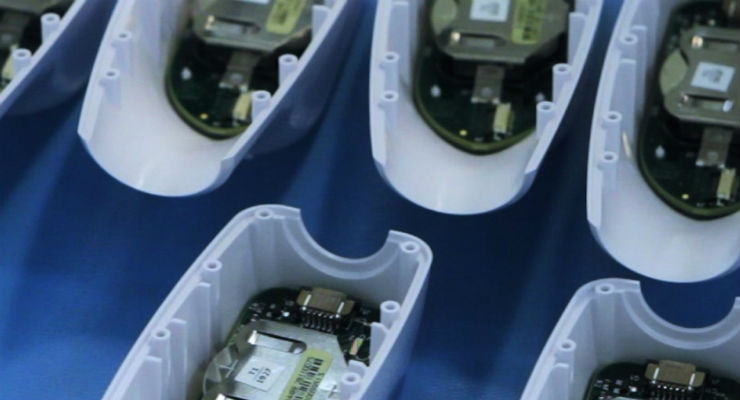
A number of critical factors need to be considered in order to ensure a successful implementation.
This algorithm analyzes medical images 1,000 times faster than usual
Massachusetts Institute of Technology researchers have developed an algorithm that makes it easier and 1,000 times quicker to analyze medical images and 3D scans.

Low-Cost Plastic Sensors Could Monitor a Range of Health Conditions
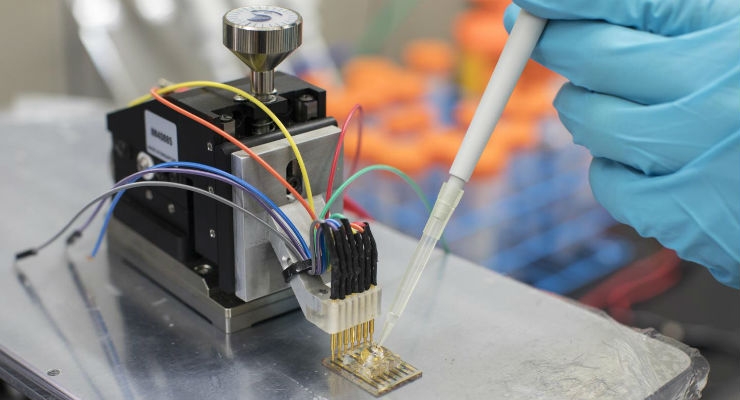
Sensor can measure the amount of critical metabolites like lactate or glucose present in sweat, tears, saliva, or blood.
Resonetics Acquires Medelec, a Swiss Precision Metal Tubing and Medical Components Firm
Medelec offers tubing fabrication from flat stock, laser cutting and welding, and CNC machining capabilities.

Simplifying Medical Device Labeling in a Complex Environment
How simple labeling changes can drive big results for medical device manufacturers.
Senseonics Wins Nod for Implantable Long-Term CGM
Senseonics Holdings said it has received a PMA for the Eversense Continous Glucose Monitoring (CGM) system. The Germantown, Md-based company said the system is the first and only CGM to feature an implantable glucose sensor and provide long-term continuous monitoring for up to three months.

NA Looks to Lead Robotics-Based Ultrasound Revolution
Neural Analytics has received CE mark and FDA clearance for a robotics-based ultrasound guidance system to observe blood flow to the brain.

Can You Inject Without the Needle?
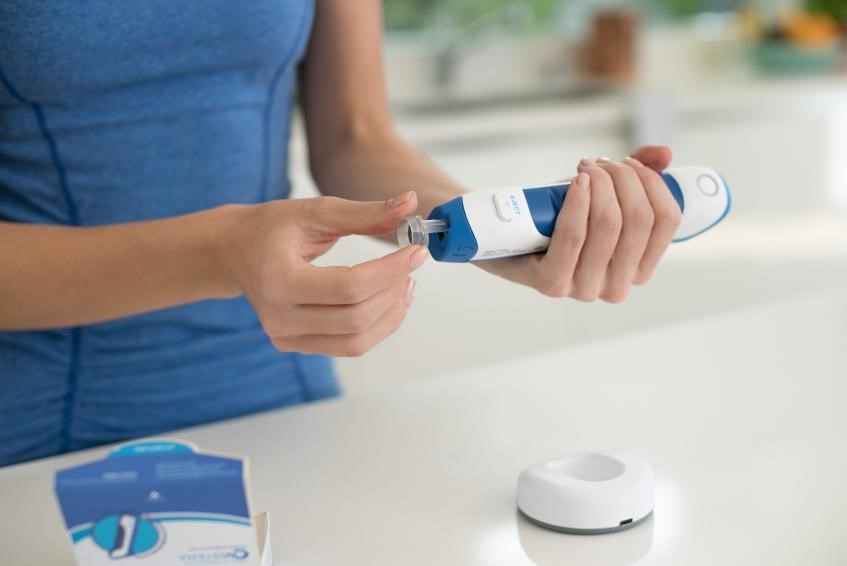
A Pharmapack 2018 speaker explains a new needle-free approach that could suit biologics and support digital health.
Medtec China 2018 Concurrent Conference content first released
SHANGHAI, June 20, 2018 — Medtec China 2018 is going to be held 26-28 September in Shanghai. Simultaneously, one of the most attractive conferences to exhibitors and visitors, “MDiT Forum and Regulation Summit 2018,” will be co-hosted at the venue. “Regulation..

Photo Of The Day: A Stretchy Circuit
Researchers in China have made a new hybrid conductive material—part elastic polymer, part liquid metal—that can be bent and stretched at will. Circuits made with this material can take most two-dimensional shapes and are also non-toxic, according to Cell Press.
