
Research Zeroing in on Electronic Nose for Diagnosing Disease
Research at Oregon State University has pushed science closer to developing an electronic nose for monitoring air quality, detecting safety threats and diagnosing diseases by measuring gases in a patient’s breath.

The Benefits of Tungsten Cable
Because of such unique mechanical properties, tungsten has become an integral component in the manufacturing of many of today’s cutting-edge medical devices, including surgical robots.

Machine Keeps Human Livers Alive for One Week Outside of the Body
Breakthrough may increase the number of available organs for transplantation.

Developing Raw Technology
How can engineers developing medical devices explore novel technology?
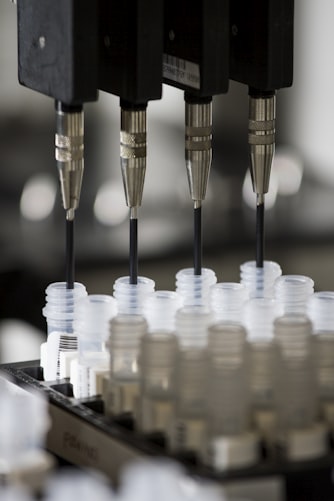
Liquid Biopsy Test Detects More than 50 Cancer Types
Grail had a huge win in the liquid biopsy space this week. The Menlo Park, CA-based company said results of its Circulating Cell-Free Genome Atlas study show its technology can detect 50 cancer types across all stages with a very low false-positive rate .

Re-engineering Medical Devices to Stay Competitive
The redesign of a wound closure device enabled a medical device company to achieve the same function at a lower price and to maintain its edge in a competitive marketplace.

Wearable Gas Sensor Enhances Sensitivity
A highly sensitive wearable gas sensor for environmental and human health monitoring may soon become commercially available, according to researchers at Penn State and Northeastern University.

Graphite-embedded plastic kills 99.99% of bacteria on contact
Plastic surfaces embedded with graphite nanoplatelets reportedly can prevent hospital-acquired infections (HAIs), killing 99.99% of bacteria that try to attach, according to research from Chalmers University of Technology in Sweden.

Proposal to Postpone EU Medical Device Regulation Underway
A delay of one year could allow authorities and industry to focus instead on urgent responses needed to address the COVID-19 pandemic.

Can Patches Improve Vaccination Rates?
Researchers are exploring the potential for vaccine delivery through microneedle array patches to improve vaccination in general for all generations as well as to improve vaccination rates in low and middle-income countries.
