
CompactCath releases new discreet catheters
A new, discreet and compact catheter has been released to help improve the lives of people with bladder conditions.
Examining Intellectual Property Concerns In Medical Device Development
From patent applications to FDA approvals, the process of protecting intellectual property has become more crucial than ever for designers and manufacturers.

Non-radioactive device hopes to improve treatment for breast cancer patients
Non-radioactive device hopes to improve treatment for breast cancer patients.

Adhesives: Enabling the Future of Wearable Medical Devices
Adhesives must continue to push the boundaries of what’s expected and thought to be possible to keep momentum in the wearable medical device market and to provide

Brain cancer stem cells manipulated on a ‘lab on chip’ for first time
Whilst the completion of the project’s first stage is a great success, the researchers state that tre
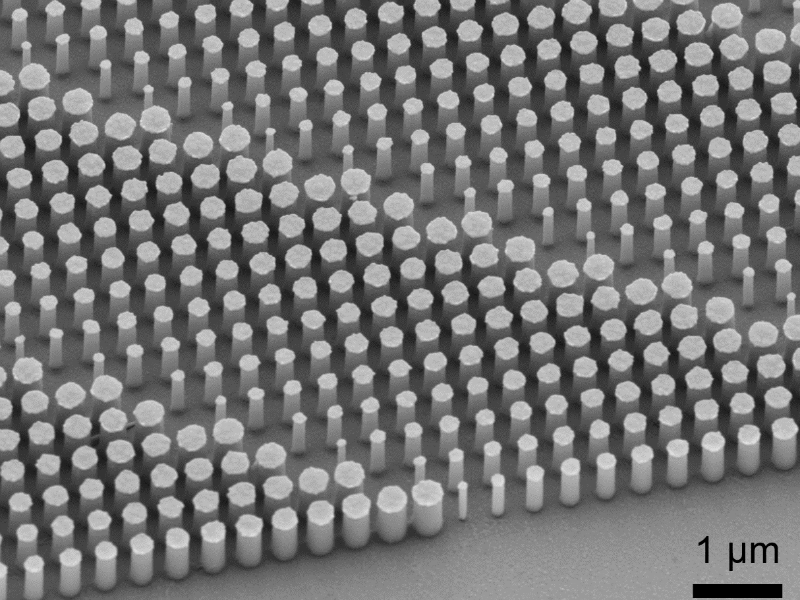
Endoscopic imaging catheter could better detect tissue disease
Experts in endoscopic imaging at Massachusetts General Hospital (MGH) and the creators of flat metalens
UK based medical device company launches largest US study of its kind
The company’s diagnostic device is designed to help physicians rule out active ischemia in patients who go to the emergency department (ED) with chest pain. The device – currently being trialled at five research facilities in the
read more
Should Medical Devices Come with Expiration Dates?
Implantable medical devices containing highly sophisticated electronics are lasting longer than before, raising the bar for safety and liability.
Design History File vs. 510(k) vs. Technical File: What Do Medical Device Developers Need to Know?
Design History File vs. 510(k) vs. Technical File: What Do Medical Device Developers Need to Know?

Coming Clean: Developing Standards for Cleaning Reusable Devices and Instruments
Five years ago, I shuddered to read the headlines about “dirty” endoscopes being used in colonoscopies and the speculation that followed. Are colonoscopies really safe? Is this what’s creating new superbugs? Why weren’t hospitals doing a better job of removing biomaterial and debris on these reusable devices?