
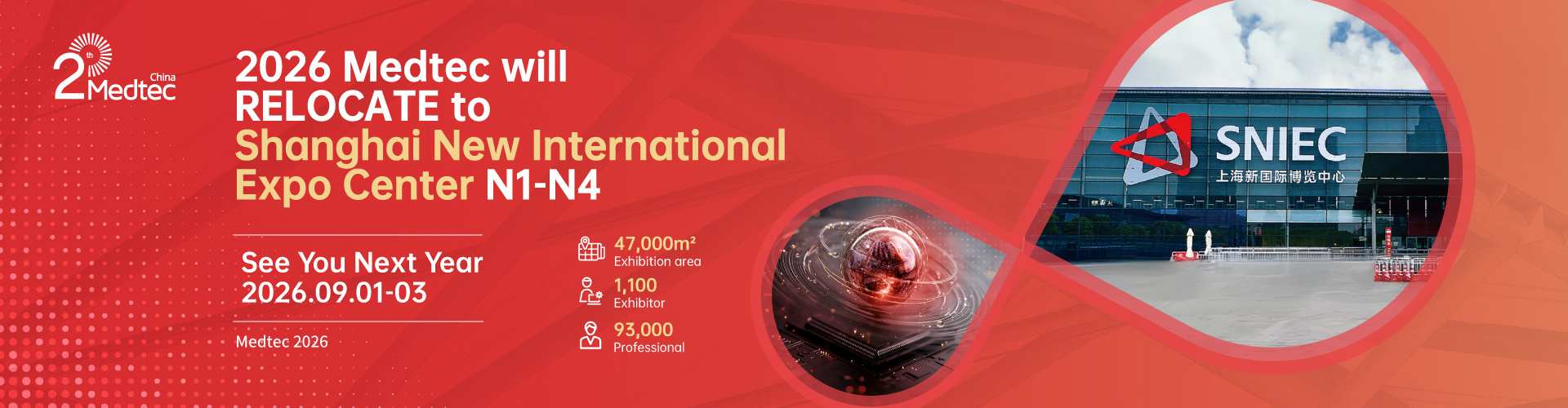
A solo visit can be productive. A well-planned team visit can be far more valuable. If your company is considering 2026 Medtec China, it helps to view the event as more than a standard trade show. Medtec is a specialized exhibition for medical device R&D and manufacturing, bringing together suppliers, engineers, sourcing teams, quality leaders, and decision-makers across the global supply chain. The 2026 edition takes place September 1–3, 2026, at SNIEC N1–N4 in Shanghai. Visitors can pre-register for free before August 30, while onsite entry is paid. If your team wants better supplier coverage, sharper internal alignment, and stronger post-show results, explore Medtec Shanghai options and register for Medtec China early to build a visit that delivers more than one person ever could.
Why group attendance creates more business value
One person can only see so much in a day. At a large medical manufacturing exhibition, that limitation matters.
A corporate group brings range. Procurement may focus on pricing, lead times, and supply stability. Engineering may assess technical fit and process capability. Quality may spot documentation gaps or traceability risks. Operations may care most about scalability, automation, and production flow. Leadership may look for long-term partnership value and market direction.
When one person tries to cover all of that, trade-offs happen fast. Important details get missed. Strong suppliers may get less attention than they deserve. Weak suppliers may seem better than they are because no one tested them from multiple angles.
Group attendance improves value because it lets your company evaluate suppliers as they really need to be evaluated: cross-functionally.
What teams gain that solo visitors often miss
- Broader supplier coverage across multiple halls
- Better technical and commercial evaluation
- Faster decision-making after the event
- Less dependence on one person’s notes or impressions
- Stronger internal alignment on next steps
Key takeaway: If the event matters to your sourcing or manufacturing strategy, sending a group is often more efficient than sending one overloaded representative.
How cross-functional teams cover more of the expo
Large exhibitions reward focus. A group can split priorities, cover more ground, and compare findings in real time.
Divide the expo by function, not just by hall
Many companies divide the show floor geographically. That helps, but it is not enough. A better approach is to divide coverage by business goal.
For example:
Procurement
Focus on:
- Supplier shortlist validation
- Commercial models
- MOQ and lead time ranges
- Supply continuity and export readiness
Engineering
Focus on:
- Process capability
- Material fit
- Tolerance control
- Prototype and scale-up support
Quality and regulatory
Focus on:
- Documentation discipline
- Traceability systems
- Inspection methods
- Change control and medical experience
Operations or manufacturing
Focus on:
- Capacity
- Automation maturity
- Production flow
- Reliability at volume
This structure helps each team member ask better questions instead of trying to be an expert in every topic.
Cover more without losing depth
A group should not mean rushed booth visits and fragmented notes. The goal is not just more meetings. The goal is better coverage with enough depth to support action.
A useful model is:
- Assign priority categories before arrival
- Pre-book top supplier meetings
- Leave room for targeted discovery
- Re-group at the end of each day to compare findings
Key takeaway: Teams get the most from the expo when each person owns a clear evaluation lens.
Why group planning improves supplier evaluation
Many poor supplier decisions come from incomplete evaluation, not lack of options. Group planning helps prevent that.
Better questions lead to better supplier comparisons
A supplier may sound strong to procurement because pricing is competitive and communication is fast. The same supplier may raise concerns for engineering because process limits are unclear. Quality may find weak traceability. Operations may see capacity risk.
This is exactly why group attendance matters. You reduce the chance of choosing based on only one dimension.
A stronger supplier review usually includes questions like:
- Can this supplier meet our technical requirements?
- Are their quality systems mature enough for medical applications?
- Can they scale if demand grows?
- Do they communicate clearly across functions?
- Is the commercial offer attractive for the right reasons?
Group evaluation reduces post-show confusion
After the event, companies often struggle with conflicting impressions. One person liked the booth. Another was unsure. No one wrote down the same details.
A team approach works better when you use shared criteria.
Consider a simple scorecard with categories such as:
- Technical fit
- Quality confidence
- Commercial fit
- Capacity and resilience
- Communication quality
- Follow-up priority
This turns booth visits into structured evaluation instead of scattered memory.
Key takeaway: Group planning improves supplier evaluation because it replaces guesswork with shared judgment.
What roles should attend from your company
Not every company needs a large delegation. But if your goal is serious sourcing, supplier qualification, or manufacturing insight, the right mix of roles matters.
Core roles that often add the most value
Procurement or sourcing lead
This person anchors commercial discussions and supplier comparison.
Engineering representative
Essential when technical complexity, materials, tolerances, or process fit matter.
Quality or regulatory representative
Important for reviewing documentation readiness, inspection discipline, and medical manufacturing maturity.
Operations or manufacturing lead
Useful when you are evaluating production scale, automation, and delivery reliability.
Business unit leader or executive sponsor
Helpful when supplier strategy connects to bigger growth, investment, or market-entry decisions.
A practical team size
For many companies, a group of 3 to 5 people is enough to create strong coverage without becoming hard to coordinate.
For example:
- 1 procurement lead
- 1 engineering lead
- 1 quality or regulatory lead
- 1 operations lead
- 1 senior decision-maker if needed
Key takeaway: The best group is not the biggest one. It is the one that reflects how your company actually makes supplier decisions.
How to coordinate before, during, and after the event
Group attendance creates more value only if the team works as one unit.
Before the event: align on outcomes
Do not wait until arrival to decide what matters.
Before the show, agree on:
- Top sourcing or partnership goals
- Priority supplier categories
- Must-meet exhibitors
- Questions each role should ask
- Daily schedule and meeting owners
- What qualifies a supplier for follow-up
A short internal planning session can save hours on site.
During the event: share information fast
The strongest teams do not wait until they return home to compare notes.
Build in:
- Morning priority check-ins
- Midday updates for schedule changes
- End-of-day debriefs
- Shared note-taking or scorecards
Even a 20-minute team recap each evening can sharpen the next day’s plan.
Common mistakes to avoid on-site
- Sending everyone to the same booths
- Letting meetings drift without clear objectives
- Taking notes in different formats
- Failing to assign follow-up ownership
- Overpacking the schedule and missing reflection time
After the event: turn insight into action
This is where many companies lose value. They attend, collect contacts, then delay follow-up until momentum fades.
Within a few days after the expo:
- Rank suppliers by priority
- Consolidate notes into one shared review
- Assign next actions by owner
- Request documents, samples, or calls quickly
- Decide which suppliers move into formal qualification
Key takeaway: Coordination after the event is what turns a good group visit into measurable business value.
A simple checklist for corporate group success
Use this checklist to make the most of your team visit:
Before Medtec
- Define business goals
- Choose a cross-functional team
- Pre-book priority meetings
- Build a shared scorecard
During Medtec
- Split coverage by role
- Compare notes daily
- Use common evaluation criteria
- Capture clear next steps at each booth
After Medtec
- Rank suppliers together
- Start follow-up fast
- Align on qualification priorities
- Convert insights into a sourcing roadmap
Conclusion
Corporate groups get more from Medtec because they see more, test more, and align faster. A cross-functional team can cover the expo with greater depth, evaluate suppliers with more confidence, and turn conversations into smarter business decisions. If your company is serious about sourcing, quality, manufacturing, or growth, do not treat the event like a solo trip. Build the right team, plan together, and use the exhibition as a shared decision-making advantage.