
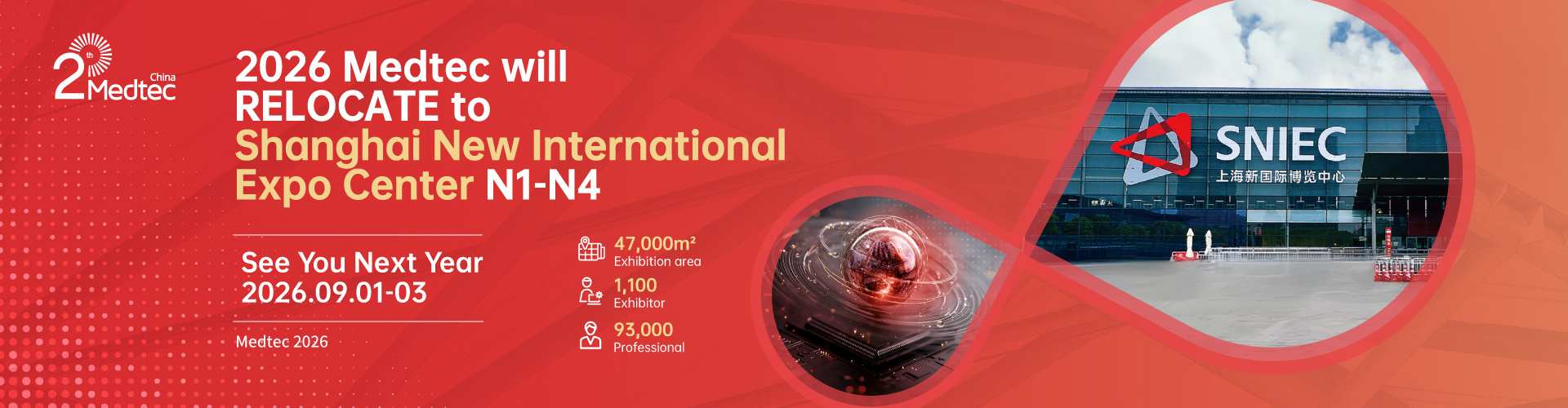
If you are planning a business trip around 2026 Medtec China, smart travel planning can make the difference between a rushed visit and a productive one. Positioned as a medical device design and manufacturing expo, Medtec China brings together suppliers, manufacturers, engineers, sourcing teams, and business decision-makers across the medical device supply chain. The event will take place September 1 to 3, 2026 at Shanghai New International Expo Centre in Pudong. Visitor badge applications open from April 1, 2026, and early registration completed before August 30th is free. If you want to spend less time solving travel friction and more time building useful meetings, now is the right time to map your trip early and register for Medtec China.
Shanghai rewards prepared travelers. During expo season, the city moves fast, hotels fill up, and schedules tighten. The good news is that with a few practical decisions, you can make the trip smoother, more efficient, and far more valuable.
Why Expo Season Requires a Different Travel Plan
A normal business trip and an expo trip are not the same thing. During a major Shanghai medical expo, your time is split between the venue, supplier meetings, transit, follow-up, and often unplanned opportunities.
That means your travel plan should support three goals:
- easy access to the venue
- enough flexibility for business meetings
- enough structure to avoid wasting time
If you treat expo travel like a standard city visit, you can lose hours to traffic, poor hotel choices, and overpacked daily plans.
Plan Your Travel Timing Early
Timing affects almost every part of the trip, from flight cost to meeting quality.
Arrive before the first show morning if possible
If your schedule allows, arrive at least one day before the expo starts. That gives you time to:
- recover from travel fatigue
- check into your hotel without stress
- confirm meeting times
- review your exhibitor list
- prepare for day one with a clear head
Arriving the same morning as the event may look efficient on paper, but it increases the chance of delays, missed meetings, and a poor start.
Leave room after the show as well
Some of the most useful business conversations happen after the main exhibition day ends. You may want time for:
- supplier dinners
- hotel lobby follow-up meetings
- nearby factory visits
- internal team debriefs
- next-day appointments with high-potential contacts
If you fly out too quickly, you may miss the strongest relationship-building window of the trip.
Convenience Matters More Than Luxury
During expo season, location often matters more than hotel prestige.
Stay with venue access in mind
When choosing where to stay, focus on practical convenience:
- travel time to Shanghai New International Expo Centre
- reliable access to metro or car service
- availability of nearby dining for business meetings
- business-friendly hotel facilities
- manageable commute at peak times
A comfortable hotel far from the venue can create daily friction. A simpler hotel with better access may produce a much better trip.
Think in minutes, not districts
Travel decisions sound easy when people describe them broadly. In reality, what matters is not whether a hotel is in a famous area. It is whether you can reach your first meeting without stress.
Ask practical questions such as:
- How long will it take to reach the venue in the morning?
- Will traffic affect my first appointment?
- Can I return easily between meetings if needed?
- Is the area suitable for evening business conversations?
Those answers matter more than a long amenities list.
Balance Expo Time With Business Meetings
One common mistake is filling every hour with booth visits. Another is booking so many outside meetings that the expo becomes secondary. The best trips balance both.
Use the expo floor for discovery and first contact
The event is ideal for:
- identifying new suppliers
- comparing categories quickly
- screening exhibitors
- spotting market trends
- starting conversations that can continue later
This is where you gather options and test initial fit.
Use off-floor time for deeper discussion
Once you find promising contacts, move the deeper conversation elsewhere when needed. Good options include:
- coffee meetings near the venue
- hotel meeting spaces
- dinners with supplier teams
- follow-up sessions the next morning
This helps you separate quick discovery from real evaluation.
Protect time between meetings
Do not plan every hour too tightly. Leave space to:
- walk between halls
- take notes
- handle schedule changes
- revisit strong-fit booths
- prepare for the next meeting
A packed calendar often looks productive but creates weaker conversations.
What First-Time Business Travelers Should Know
If this is your first expo trip to Shanghai, a little preparation will reduce stress and improve confidence.
Expect long, active days
Expo days usually involve more walking, more conversations, and more mental switching than a normal office day. Plan for that.
Useful basics include:
- comfortable business-appropriate shoes
- portable phone charger
- digital and paper backup of key meeting details
- water and light snacks when needed
- a simple note-taking system
Small preparation choices make a big difference by mid-afternoon.
Keep your meeting goals simple
For first-time visitors, the goal should not be to see everything. Focus on outcomes such as:
- meeting a shortlist of target suppliers
- learning one product category well
- booking a few strong follow-up meetings
- understanding the market better than before you arrived
That makes the trip easier to manage and easier to measure afterward.
Be ready for changes
Even a well-planned trip will shift. Meetings move. Booth contacts may be busy. New opportunities appear.
The best response is not frustration. It is flexibility with priorities. Know which meetings are essential, which are optional, and where you can adapt.
How to Travel Efficiently During Expo Season
Efficient travel is really about reducing decision fatigue and protecting business time.
Build a simple daily structure
A clear routine helps. For example:
Morning
- arrive early
- handle top-priority meetings first
- cover your most important exhibitor categories
Midday
- hold shorter exploratory meetings
- take quick notes
- adjust the afternoon based on what you learned
Late afternoon and evening
- revisit top prospects
- hold off-floor discussions
- review the day and confirm next steps
This structure keeps the trip from becoming reactive.
Use one shared trip plan if traveling with a team
If colleagues are attending too, create one shared document with:
- hotel details
- venue schedule
- meeting times
- exhibitor priorities
- emergency contacts
- daily debrief times
This reduces confusion and helps everyone stay aligned.
Keep follow-up in motion while traveling
Do not wait until you get home to organize everything. During the trip, try to:
- rank strong and weak leads each day
- send quick follow-up messages to top contacts
- schedule next-step calls before departure
- note internal action items while details are fresh
That way, the trip continues producing value after you leave Shanghai.
A Practical Travel Checklist Before You Go
To make the trip smoother, prepare these basics in advance:
- confirm your badge registration
- book flights and hotel early
- map the route to the venue
- shortlist target exhibitors
- pre-book high-priority meetings
- prepare business cards and digital contact methods
- set one primary goal for the trip
- leave space for follow-up meetings after the show
A short checklist beats last-minute problem solving every time.
Conclusion
Shanghai medical expo season can be highly productive if you approach it with a traveler’s mindset and a business plan at the same time. Arrive early enough to start strong, choose convenience over unnecessary luxury, balance expo discovery with deeper meetings, and keep your schedule flexible enough to adapt. For first-time and experienced business travelers alike, the goal is simple: reduce travel friction so you can focus on the conversations that matter most.
Plan the trip well, and the expo becomes more than an event on your calendar. It becomes a better use of your time, budget, and business opportunity.