
If you are planning a supplier search or a market-learning trip around the Medtec China show, it helps to think beyond the exhibition hall. Medtec China is positioned as a medical device design and manufacturing expo, bringing together suppliers, manufacturers, engineers, and decision-makers across the device value chain.
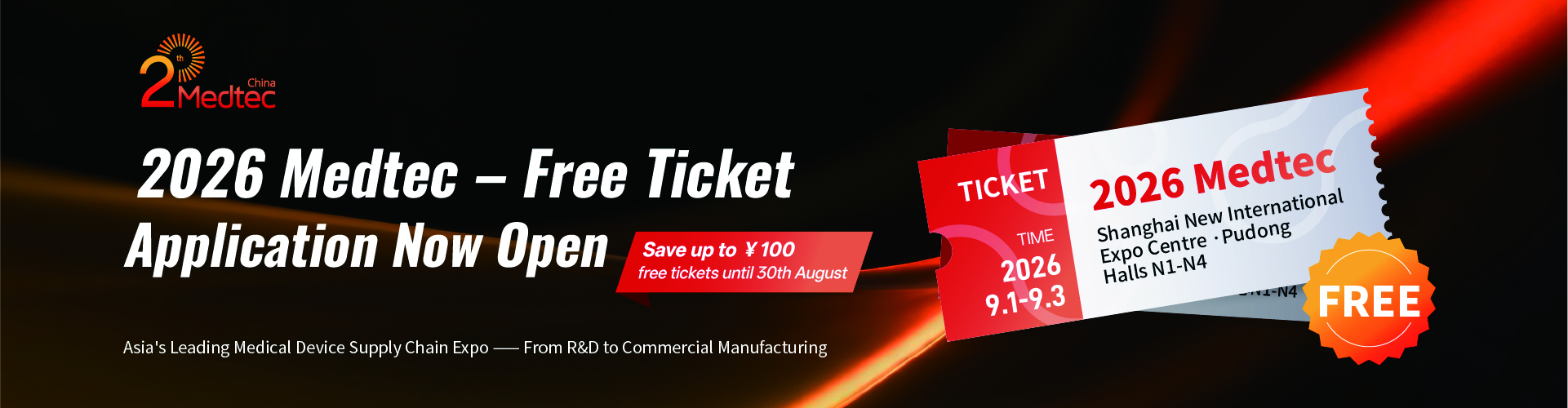
The 2026 Medtec China takes place September 1–3, 2026, at Shanghai New International Expo Centre in Pudong. Visitor badge applications open April 1, 2026, and early registration completed before August 30th is free. If you want more than booth visits and business cards, this is the right time to plan a wider industry trip, map the clusters most relevant to your goals, and attend 2026 Medtec China with a sharper strategy!
Shanghai matters not just because it hosts a major expo, but because it sits inside a broader medical device ecosystem. In this guide, you’ll see why industry clusters matter, what makes Zhangjiang and Jiading especially useful, and how to turn one event into deeper sourcing, partnership, and market insight.
What Medical Device Clusters Actually Mean
A cluster is not just a place with many companies. It is an area where related businesses, suppliers, talent, research groups, and service providers operate close to one another.
That concentration creates practical advantages. Companies can move faster, compare options more easily, and build stronger connections across the supply chain.
Why clusters matter in medical devices
Medical devices depend on many moving parts. One product may involve:
- materials suppliers
- component makers
- tooling specialists
- contract manufacturers
- testing partners
- regulatory support
- logistics providers
When these capabilities sit within the same region, it becomes easier to solve problems, qualify suppliers, and coordinate development.
For visitors, that means the show is only one layer of the opportunity. The surrounding cluster often explains why the event attracts strong exhibitors and serious buyers in the first place.
Bottom line: A good expo gives you access to people. A strong cluster gives you access to the ecosystem behind them.
Why Zhangjiang Stands Out
Zhangjiang is often associated with innovation, research activity, and higher-value medical and life sciences development. For international visitors and business leaders, that reputation matters.
A strong fit for innovation-focused visitors
If your goals include advanced technology scouting, R&D partnerships, or understanding where new medical solutions are gaining traction, Zhangjiang is worth attention.
This kind of area tends to attract organizations involved in:
- medical technology development
- life sciences research
- product innovation
- high-end manufacturing support
- technical collaboration
In practice, that makes Zhangjiang useful for companies asking bigger questions, such as:
- Where is new device innovation happening?
- Which firms are moving beyond basic manufacturing?
- What kinds of partners support product development, not just production?
Why this matters before and after the expo
Before the event, knowledge of Zhangjiang helps you identify what kinds of exhibitors may be more innovation-driven. After the event, it gives you a place to continue conversations that start on the show floor.
For example, if you meet a supplier with strong development capabilities at the expo, a follow-up meeting tied to the broader innovation ecosystem can reveal much more than a booth conversation ever will.
Bottom line: Zhangjiang matters when your search is not only about price or volume, but also about capability, technology, and long-term fit.
Why Jiading Deserves a Place on Your Radar
Jiading is often discussed in a more manufacturing-centered context. That makes it especially relevant for sourcing teams, operations leaders, and procurement professionals who care about execution.
A practical lens on production capability
If Zhangjiang signals innovation depth, Jiading often signals industrial practicality. Visitors focused on scale, process discipline, and supplier execution should pay close attention.
This can be useful when you want to assess:
- production readiness
- manufacturing consistency
- supplier scalability
- process capability
- industrial support networks
For many buyers, that is where real value shows up. A supplier may look strong in a presentation, but the surrounding cluster often tells you whether the region supports repeatable production and growth.
A useful area for supplier comparison
Jiading also matters because cluster logic makes comparison easier. When similar manufacturers and support providers operate in or around the same area, buyers can evaluate options with more context.
If one supplier cannot meet a need, another nearby company may. If one partner supports prototyping, another may support scale-up. That regional density improves your chances of building a stronger supply chain shortlist.
Bottom line: Jiading is especially useful when your focus is operational strength, manufacturing depth, and realistic sourcing outcomes.
Why “Beyond” Matters Too
Zhangjiang and Jiading are important reference points, but they are not the whole story. The wider Shanghai region adds value because medical device activity does not stop at one district.
A broader ecosystem improves the event itself
A major medical trade show Shanghai becomes more useful when nearby areas contribute different strengths. One zone may support research. Another may support industrial production. Another may offer logistics, packaging, or specialized services.
That mix improves:
- exhibitor diversity
- supplier specialization
- post-show meeting opportunities
- factory visit potential
- regional market visibility
So even if you never visit every cluster in person, understanding the broader map helps you ask better questions during the expo.
What to listen for in exhibitor conversations
When speaking with suppliers, do not just ask what they make. Ask where they operate and what local ecosystem supports them.
Useful questions include:
- Where is your main production base?
- What nearby capabilities support your work?
- Do you handle prototyping, scale-up, or both?
- How close are your key upstream suppliers?
- Can site visits be arranged after the event?
These questions help you see the supplier in context, not as an isolated booth.
Bottom line: The wider regional ecosystem often reveals how resilient, connected, and scalable a supplier really is.
How Clusters Strengthen the Expo Experience
A trade show is more productive when it sits near real industry activity. That is one reason Shanghai gives visitors more strategic value than a venue-only destination.
Better exhibitor quality and relevance
Clusters help attract suppliers that are active, specialized, and commercially serious. Companies are more likely to exhibit when the event connects directly to their local ecosystem and target customers.
For visitors, that can mean:
- more relevant supplier conversations
- better category coverage
- stronger technical discussions
- easier post-show follow-up
Easier next steps after first contact
A good meeting at the expo should lead somewhere. Clusters make that easier because the next step may be geographically practical.
That could include:
- a factory visit
- a technical review meeting
- a supplier capability assessment
- a follow-up dinner with decision-makers
- a broader regional sourcing trip
This is where Shanghai becomes more than an event city. It becomes a working business environment.
How to Combine Expo Attendance With Market Learning
You do not need a complex itinerary to get more value from the trip. A few simple planning choices can make a big difference.
Before you travel
Define your main goal first. Are you focused on innovation, supplier qualification, cost reduction, or market mapping?
Then build a short plan around it:
- shortlist exhibitors by category
- identify cluster areas linked to your goals
- leave time for one or two off-site meetings
- prepare questions about location, scale, and ecosystem support
During the event
Use the show floor to filter and prioritize. Not every interesting conversation deserves extra time outside the venue.
Focus on exhibitors that show:
- strong fit with your current needs
- credible answers to technical questions
- signs of quality and process maturity
- willingness to continue the discussion quickly
After the event
If a supplier looks promising, move fast while the conversation is fresh. That may mean setting a call, arranging a visit, or requesting more detailed documentation.
A simple post-show checklist helps:
- rank suppliers by fit and urgency
- note which cluster or area they are tied to
- assign next steps internally
- decide who needs a deeper meeting
- drop weak leads quickly
Bottom line: The best market-learning trips combine focused expo coverage with selective follow-up in the surrounding ecosystem.
What Practical Value Clusters Offer for Sourcing and Partnerships
Medical device clusters are not just interesting background. They can improve decision-making.
For sourcing teams
Clusters help buyers compare suppliers with more confidence. They make it easier to understand local support, alternative options, and likely production maturity.
For partnership development
Clusters also support longer-term relationship building. If a region contains complementary capabilities, one supplier conversation can lead to a broader network of useful contacts.
For international visitors
If you are visiting from outside China, cluster awareness helps you make better use of limited time. Instead of treating the trip as a single-event visit, you can use it as a structured learning and sourcing exercise.
A strong trip often answers three questions:
- Who should we meet now?
- Which capabilities matter most in this region?
- What follow-up is worth doing after the show?
Conclusion
Shanghai’s medical device clusters matter because they add depth, context, and practical business value to the expo experience. Zhangjiang is especially useful for innovation and development insight. Jiading is highly relevant for manufacturing and sourcing evaluation. Beyond those areas, the wider regional ecosystem strengthens exhibitor quality, supplier access, and follow-up opportunities. If you want more from your trip than a few days on the show floor, plan around both the event and the clusters behind it. The smartest next step is to build a short list of target exhibitors, ask where their capabilities are rooted, and use that information to shape your post-show meetings.