
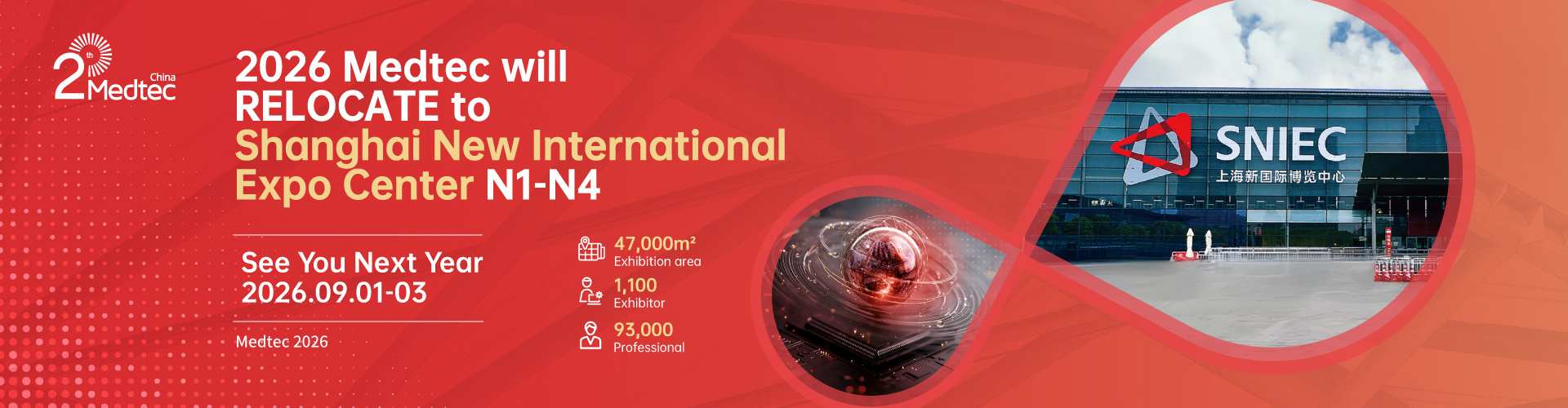
If you are planning your trip around the Medtec China trade show, it helps to think beyond the exhibition hall. Positioned as a medical device design and manufacturing expo, Medtec China brings together suppliers, manufacturers, engineers, sourcing teams, and business decision-makers across the medical device supply chain. The event takes place September 1 to 3, 2026 at Shanghai New International Expo Centre in Pudong. Visitor badge applications open from April 1, 2026, and early registration completed before August 30th is free. If you want to turn a standard expo trip into a more productive business visit, now is the right time to map your schedule, align your meetings, and get your visitor pass before planning the rest of your Shanghai strategy.
A smart city plan can save hours, improve meeting quality, and help you get more value from every day of the trip.
Why Understanding Key Districts Helps Business Travelers
When people travel for an expo, they often focus only on the venue. That is understandable, but it can limit the value of the trip. Shanghai is a large business city, and how you move through it affects how many useful meetings you can fit in, how tired you feel, and how quickly you can follow up with suppliers or partners.
Understanding the city in practical terms helps you:
- choose a better hotel location
- group meetings more efficiently
- reduce travel friction
- leave space for follow-up conversations
- make smarter decisions about where to spend your time
For international visitors and sourcing teams, this matters even more. A poorly planned city schedule can turn a strong event visit into a rushed and fragmented trip.
Think in Functions, Not Just Neighborhood Names
You do not need deep local knowledge to plan well. What you need is a useful way to think about the city.
Instead of trying to master every district, focus on the roles different areas may play during your visit. For most expo travelers, the city breaks down into a few practical zones:
- the venue area
- business meeting areas
- hotel and transit-friendly areas
- supplier or follow-up meeting zones
- dining and informal networking areas
This approach is often more useful than searching for a perfect district on a map.
The Venue Area: Your Operational Base
For many attendees, the area around the expo venue should be the center of the trip. Since Medtec China takes place at Shanghai New International Expo Centre in Pudong, your first planning question should be simple: how easily can you reach the venue each day?
Why proximity matters
During an expo, convenience often beats prestige. Staying or meeting within practical reach of the venue can help you:
- arrive early without stress
- return quickly between meetings if needed
- reduce the risk of late arrivals
- leave more energy for supplier conversations
- create space for evening follow-up meetings
This is especially useful if your days include both scheduled appointments and time on the show floor.
What to prioritize near the venue
Look for areas that give you:
- predictable access to the expo center
- business-friendly hotels
- simple transport options
- nearby meeting spaces
- reliable dining choices for quick business meals
The point is not to stay as close as possible at all costs. The point is to reduce unnecessary friction.
Business Meeting Areas: Where Deeper Conversations Happen
The expo floor is good for discovery, introductions, and short meetings. It is not always the best place for longer business discussions. That is why many visitors benefit from identifying areas better suited to private or quieter meetings.
Why these areas matter
After you meet a promising supplier or partner, you may want to continue the conversation in a setting that allows for:
- more detailed technical discussion
- pricing or commercial review
- team debriefs
- quieter relationship-building conversations
- next-step planning
These meetings are often more productive away from booth traffic and exhibition noise.
What to look for
A good meeting area should offer:
- easy access from the venue
- hotel lobbies or meeting lounges
- quiet cafés or business dining spaces
- room for small team discussions
- reliable timing between appointments
For many travelers, the best strategy is to use the expo for first contact and nearby business-friendly areas for second-stage conversations.
Transit-Friendly Areas: Where Efficiency Wins
A major city can either help your schedule or hurt it. One of the smartest ways to plan your trip is to choose locations that make movement easier, not harder.
If you are combining an expo visit with a broader medical expo in China travel plan, transit efficiency becomes even more important.
Why transit shapes business outcomes
Travel time is not just a logistics issue. It affects:
- how many meetings you can schedule
- how flexible you can be when plans change
- how quickly you can react to new opportunities
- how much energy your team still has at the end of the day
A good location on paper can become a bad one if every trip requires too much time or uncertainty.
A practical rule
Choose areas that support your actual schedule, not just your preferences. If most of your agenda is venue-based, optimize for venue access. If you have several off-site meetings, optimize for balanced travel time.
Supplier Access Areas: Plan for Follow-Up, Not Just Attendance
Some of the strongest business value from an expo trip comes after the first conversation. That is why you should think about city strategy in terms of follow-up access as well.
What supplier access means in practice
You may want room in your schedule for:
- post-show meetings
- factory or office visits
- technical review sessions
- team discussions after supplier meetings
- short travel extensions around the event
That does not mean trying to cover the whole city. It means leaving enough flexibility to act on the best opportunities that emerge during the expo.
A better way to think about off-site planning
Before the trip, identify:
- your highest-priority supplier categories
- which meetings must happen at the venue
- which conversations might need a second location
- how much time you can realistically give to off-site visits
This keeps your plan strategic instead of reactive.
How to Balance Convenience, Meetings, and Business Efficiency
The best city strategy is rarely about picking one “best” area. It is about balancing your priorities.
If your priority is show-floor coverage
You should favor:
- easier venue access
- shorter morning commute
- less daily travel complexity
- enough nearby options for quick meals and short meetings
This works well for first-time attendees and sourcing teams with full expo agendas.
If your priority is supplier follow-up
You may need:
- flexible meeting space
- easier movement between appointments
- room in the schedule after show hours
- hotel locations that support evening conversations
This works well for buyers, procurement leaders, and business development teams.
If your priority is broader market learning
You should build in:
- extra time outside the show days
- fewer but more purposeful meetings
- room for post-show visits
- a schedule that allows comparison, not just attendance
This approach often gives international visitors more value from one long-haul trip.
A Simple City Strategy for Expo Travelers
You do not need a complex plan. A simple structure is usually enough.
Before the trip
Define:
- your main business goal
- how many days are venue-focused
- whether off-site meetings matter
- what kind of hotel location best supports that mix
During the expo
Use the city in layers:
- venue for discovery
- nearby business spaces for deeper talks
- evenings for short debriefs and networking
- open time blocks for unexpected opportunities
After the expo
Decide quickly whether to:
- hold follow-up meetings in the city
- extend for supplier visits
- consolidate notes and depart
- move strong contacts into formal next steps
This keeps your travel plan aligned with business value.
Common Mistakes to Avoid
Even experienced travelers can lose time with weak city planning. Watch out for these common mistakes:
- choosing a hotel based only on brand, not location
- packing the agenda with too many cross-city meetings
- assuming the expo floor is enough for every discussion
- leaving no buffer time for traffic or schedule changes
- failing to plan where second meetings will happen
A simpler, more realistic plan almost always performs better.
Practical Travel Tips for a Smarter Expo Visit
To make the most of your time in Shanghai:
- book your hotel early and review travel time to the venue
- group meetings by purpose and location
- leave space between major appointments
- keep one shared schedule if traveling with colleagues
- rank off-site meetings before you commit to them
- use each evening to review the next day’s priorities
These small habits improve both efficiency and decision quality.
Conclusion
A smarter Shanghai strategy can make your expo trip more productive without making it more complicated. The key is to think in practical zones: venue access, business meeting convenience, transit efficiency, and follow-up flexibility. For international visitors, sourcing teams, business travelers, and medical device professionals, understanding these functions helps turn a busy city into a useful business tool.
The best next step is simple: plan your trip around how you will work, not just where you will stay. When your city strategy matches your expo goals, every meeting becomes easier to manage and more likely to lead somewhere useful.