
When medical device companies search for new manufacturing partners, the challenge is rarely finding suppliers that can produce a certain part. The more important question is whether a supplier can consistently meet medical industry requirements in terms of precision, material performance, production stability, and long-term cooperation.
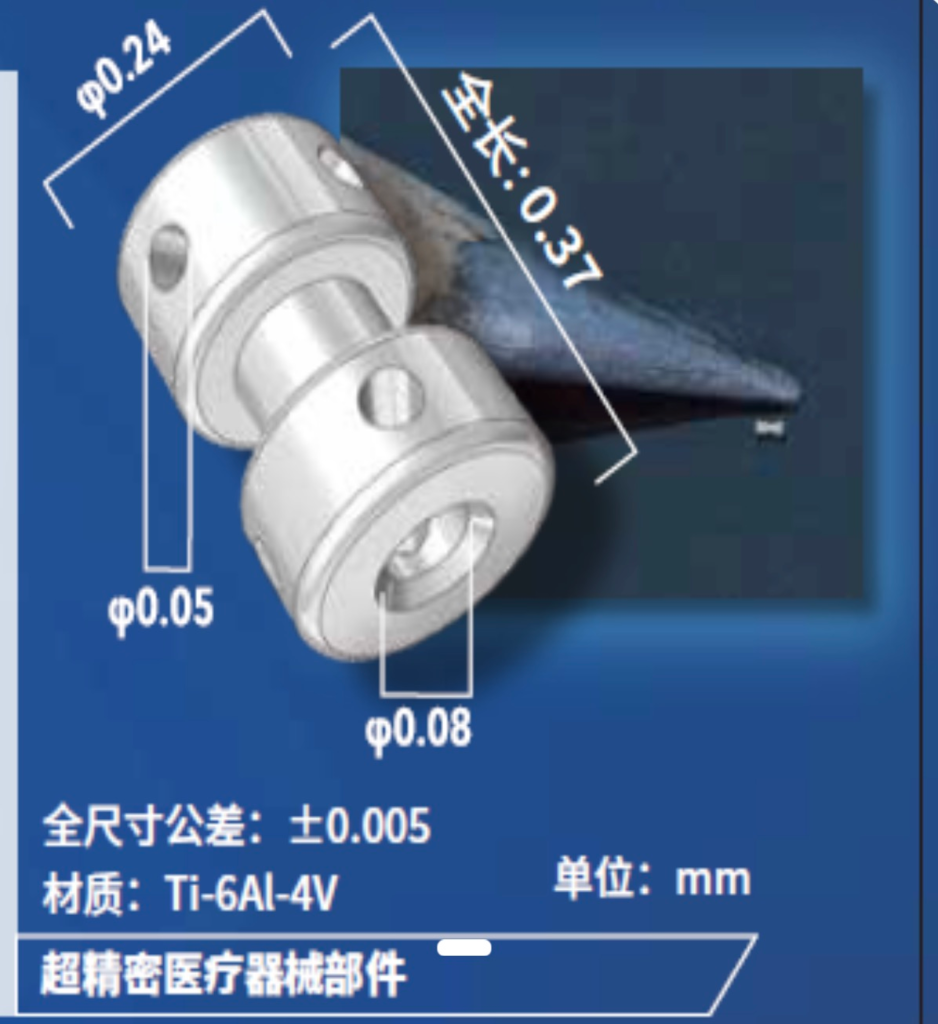
Evaluating manufacturing partners requires more than collecting information—it requires a clear view of technologies, processes, and supplier capabilities across the medical device supply chain. At Medtec China , we focus on the resources behind medical device development, including medical materials, components, manufacturing processes, testing technologies, and related services.
For teams researching a Shanghai medical device show, a more targeted approach to supplier evaluation can be useful. By understanding their own technical requirements and development goals, engineering, procurement, and quality teams can better explore suitable partners and gain deeper insights into China’s medical manufacturing capabilities.
Before the Visit: Define What Makes a Suitable Supplier
A supplier evaluation begins before entering the exhibition hall. Different medical device projects require different component capabilities, and a clear sourcing objective helps teams focus on the right companies.
For example, a company developing surgical equipment may need precision metal parts with strict dimensional requirements. A device manufacturer working on mechanical systems may focus on spring performance, durability, and repeatability.
Before visiting suppliers, teams should consider several questions:
- What materials are required for the application?
- Does the project need customized components?
- Are prototype support and mass production both important?
- What quality documentation or inspection capabilities are necessary?
By defining these requirements early, teams can have more productive discussions during the exhibition.
Step One: Examine Material Knowledge and Manufacturing Experience
Materials are the starting point for many precision components. A supplier’s understanding of material properties often determines whether it can provide effective solutions.
Evaluating Metal Processing Capabilities
Medical devices often require metals that combine strength, durability, and reliability. However, choosing the right material is only the beginning. Processing capability also affects the final component performance.
During supplier discussions at Medtec China, visitors can explore how manufacturers handle processes such as machining, forming, surface treatment, and precision inspection.
Engineering teams can focus on whether production methods match design requirements, while procurement teams can evaluate whether suppliers have the capacity to support future demand.
Understanding Custom Component Development
Many medical components are not standard products. They may require customized dimensions, special structures, or specific performance characteristics.
A capable manufacturing partner should be able to support different development stages, including design communication, prototype production, process improvement, and final manufacturing.
This ability is particularly valuable for companies developing new medical devices where design adjustments may continue throughout the development process.
Step Two: Assess Component Precision and Reliability
Precision components are often small in size but significant in function. Their performance can directly influence the operation and reliability of a medical device.
Looking at Springs From a Performance Perspective
Springs are used in many mechanical medical applications where controlled movement and force are required. Their design involves factors such as material selection, dimensions, elasticity, and fatigue resistance.
When evaluating spring suppliers, teams should consider whether manufacturers can maintain consistent performance across production batches.
Quality teams may focus on inspection methods and testing procedures, while engineering teams may examine whether the spring design meets application requirements.
Reviewing Production Control
For medical components, consistent manufacturing is as important as initial product capability.
During the Shanghai medical device show, teams can discuss how suppliers manage production processes, control variations, and maintain quality standards.
These conversations help companies understand whether a supplier can support long-term manufacturing needs rather than only provide initial samples.
Step Three: Compare Suppliers Through Cross-Department Discussions
Supplier selection involves multiple departments, and each team member may notice different factors during an exhibition visit.
Engineering teams usually focus on technical solutions and manufacturing feasibility. Procurement teams evaluate cooperation models, supply stability, and production capacity. Quality teams examine inspection systems and process control.
A group visit creates an opportunity to combine these perspectives.
Create a Shared Supplier Evaluation Method
Instead of allowing each department to collect information separately, teams can prepare common evaluation criteria before the exhibition.
Important factors may include:
- technical experience in medical applications;
- customization capability;
- production equipment and processes;
- quality management approach;
- communication and support capability.
A shared evaluation method makes supplier comparison more efficient after the exhibition.
Step Four: Explore Complete Supply Chain Connections
Precision components rarely exist independently. A metal part may require specialized machining. A spring may require specific material suppliers and testing methods. A finished component may need additional inspection or assembly support.
One advantage of attending the Medtec China exhibition is the ability to explore related technologies within the same professional environment.
A team searching for one component category may discover additional suppliers that improve the overall production strategy.
For example, a manufacturer looking for precision metal components may also find solutions related to inspection equipment, production automation, or material processing.
Planning a More Efficient Group Visit Experience
A well-prepared group visit allows companies to maximize their time at the exhibition.
Divide Responsibilities Among Team Members
Large exhibitions cover many technology areas. Assigning responsibilities helps each participant focus on specific goals.
Engineering representatives can explore manufacturing technologies and technical capabilities. Procurement representatives can evaluate supplier backgrounds and cooperation opportunities. Quality specialists can focus on production control and inspection approaches.
After the visit, the collected information can be combined to support supplier decisions.
Focus on Future Cooperation Potential
The best supplier relationship is not always based on a single product discussion. Long-term cooperation depends on whether a manufacturer can support product improvement, production growth, and changing market requirements.
Exhibition conversations provide an opportunity to understand how suppliers approach collaboration beyond the first order.
Discover Precision Manufacturing Partners at Medtec China
Finding suitable suppliers for metals, springs, and precision components requires a balance between technical capability, production reliability, and communication efficiency.
At the Medtec China exhibition, we provide a platform where medical device companies can explore manufacturing resources, connect with suppliers, and understand the technologies supporting modern medical production.
For teams attending a Shanghai medical device show, a structured group sourcing approach can help transform exhibition visits into meaningful supplier evaluations.
By preparing clear objectives, involving different departments, and focusing on long-term cooperation potential, companies can gain a clearer understanding of manufacturing capabilities and evaluate potential partners for future medical device development. For teams researching a Shanghai medical device show, Medtec China provides access to manufacturing resources across metals, springs, precision components, and related technologies.