
Trade show time disappears fast when you walk in without a plan. At a large event, it is easy to spend hours collecting brochures and still miss the suppliers and technologies that matter most. That is why a category-first approach works. Medtec China is positioned as a medical device design and manufacturing expo, bringing together suppliers, manufacturers, engineers, and sourcing teams across the device supply chain.
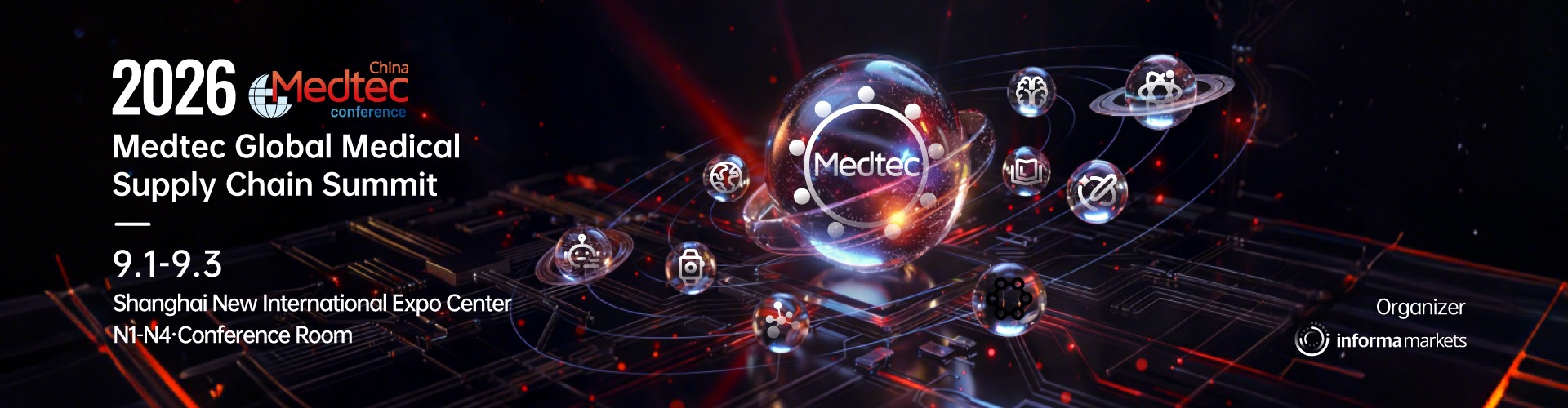
The 2026 event takes place September 1–3, 2026 at Shanghai New International Expo Centre in Pudong. Visitor badge applications open April 1, 2026, and early registration completed before August 30th is free. If you want to turn a few days on the show floor into better sourcing decisions, clearer supplier shortlists, and stronger market insight, now is the right time to map your priorities and register for Medtec China!
In this preview, you’ll get:
- the product categories most worth your time
- who should prioritize each one
- the key questions to ask suppliers before you move on
Why Product Categories Matter at Medtec China
A major expo is not just a place to “look around.” It is a working environment for supplier discovery, technical review, and market comparison. At a show this broad, your results depend on where you spend your hours.
The best approach is simple: match product categories to your job and your current goals.
For example:
- buyers may focus on cost, lead times, and second-source options
- engineers may look for process capability, materials, and tolerances
- quality teams may care most about documentation and system control
- business leaders may look for scale, reliability, and partnership fit
That is what makes this more than a generic medical supplies trade show. The value comes from knowing which categories deserve deeper attention.
Takeaway: You do not need to see everything. You need to see the right categories for your role and project stage.
Materials and Components: Start Here if Product Performance Matters
Materials and components are often the foundation of device performance, reliability, and compliance. If you are developing, refining, or re-sourcing a product, this category deserves early attention.
What you may find in this category
You can expect suppliers related to:
- polymers and resins
- tubing and extrusions
- adhesives and films
- metals and specialty alloys
- filters, valves, connectors, and other core parts
For engineers, this is where technical fit begins. For sourcing teams, it is where cost and availability risks often appear first.
Questions to ask suppliers
Use your booth time to get beyond a product brochure. Ask:
- What medical applications do you support most often?
- Can you meet our material, tolerance, or performance requirements?
- What documentation do you provide for traceability and compliance?
- How stable is your raw material supply?
- What are your standard and custom lead times?
A supplier’s answers will quickly tell you whether they belong in a serious follow-up list.
Takeaway: Prioritize materials and components if your main goal is product fit, risk reduction, or early-stage supplier screening.
Precision Manufacturing and Contract Manufacturing
If you already know what parts or devices you need to make, this category can be one of the most valuable stops at the show. It helps bridge the gap between design intent and actual production.
Why this category matters
Precision manufacturing and contract manufacturing suppliers may support:
- machining
- injection molding
- assembly
- prototyping
- scale-up production
This matters to buyers looking for capacity, engineers testing manufacturability, and operations teams planning for commercial launch.
What strong suppliers should be able to discuss
Look for clear answers on:
- process capabilities
- minimum and maximum production volumes
- tolerance control
- prototyping support
- transfer-from-incumbent experience
A common mistake is focusing only on price. Cost matters, but poor process fit creates delays, scrap, and quality problems later.
Takeaway: Visit this category early if you need to compare production partners, qualify a new source, or test scale-up options.
Packaging, Sterilization, and Cleanroom Solutions
This category is easy to underestimate. It should not be. Packaging and sterilization choices affect shelf life, product integrity, transport risk, and regulatory readiness.
Who should prioritize it
This area is especially relevant for:
- quality teams
- operations leaders
- regulatory professionals
- product teams preparing for launch
If your product is sterile, single-use, or sensitive to handling conditions, this section can directly affect commercial success.
Questions to ask in this section
Ask suppliers:
- What packaging formats do you support for medical devices?
- How do you validate packaging performance?
- What sterilization compatibility issues should we consider?
- Can you support scale-up without changing the package system?
- What cleanroom standards and controls do you use?
These questions help you avoid suppliers that can package a product, but not protect it properly through storage and distribution.
Takeaway: Treat packaging and sterilization as strategic, not secondary. Problems here often surface late and cost more to fix.
Automation and Manufacturing Equipment
If labor efficiency, consistency, and throughput are on your agenda, spend time in the automation area. This category gives you a view of how manufacturers are improving output and process control.
Why buyers and engineers should care
Automation is not only for large-scale producers. It also matters for firms trying to:
- reduce manual variation
- improve inspection consistency
- increase line efficiency
- plan future production growth
Even if you are not buying equipment right now, these exhibitors can help you benchmark what “modern capability” looks like in your category.
Questions to ask equipment and automation suppliers
Focus on practical fit:
- What process problems does this system solve best?
- What kind of throughput improvement is realistic?
- How does the system support traceability and quality control?
- How difficult is integration with existing lines?
- What service and training support is available?
Takeaway: Visit automation suppliers if your sourcing decision depends on process stability, output, or future manufacturing efficiency.
Testing, Quality, and Compliance Support
Many supplier relationships fail not because of the part itself, but because the quality system behind it is weak. That is why testing and compliance-related exhibitors deserve attention.
What this category can help you assess
Depending on the exhibitor mix, this area may include support for:
- inspection and validation
- lab testing
- measurement systems
- quality documentation
- regulatory and standards alignment
This category matters most when you are qualifying new suppliers, comparing mature versus immature operations, or trying to reduce compliance risk.
Smart questions to ask
Ask:
- What quality certifications and controls are in place?
- How do you handle validation and change control?
- What records can you share during qualification?
- How do you manage nonconformance and corrective action?
- Have you supported export-market requirements before?
Takeaway: If risk control matters as much as cost, this category should be high on your list.
How to Prioritize Categories Based on Your Goals
Do not build your route around what looks interesting. Build it around what your company needs now.
If your goal is cost reduction
Prioritize:
- contract manufacturing
- core components
- alternative material suppliers
If your goal is technical improvement
Prioritize:
- materials and components
- precision manufacturing
- automation
If your goal is compliance and launch readiness
Prioritize:
- packaging and sterilization
- testing and quality support
- qualified manufacturing partners
A simple rule helps: start with categories tied to active projects, then use remaining time for future-looking exploration.
Takeaway: Your route should follow your business goals, not the floor map.
A Simple Supplier Evaluation Checklist to Use on the Floor
To keep meetings useful, score suppliers quickly across a few areas:
- technical fit
- quality maturity
- responsiveness
- production scale
- follow-up potential
You can mark each one as:
- strong fit
- possible fit
- not a fit
This makes post-show review much faster.
Conclusion
Medtec China is most useful when you treat it as a focused sourcing and evaluation exercise, not a broad walk-through. The categories worth exploring most often include materials and components, precision and contract manufacturing, packaging and sterilization, automation, and testing and compliance support. Each one matters for different reasons, depending on whether you care most about cost, technical fit, quality, or scale. Start with the categories tied to live business needs, ask sharper supplier questions, and use a simple evaluation framework as you go. Your next step is clear: define your top two goals before the event and build your category list around them.