
Walk onto the show floor of any major medical manufacturing expo, and you will see rows of suppliers displaying rolls of tape, vials of liquid adhesive, and laminated material samples. At first glance, many look similar. But beneath the surface, differences in chemistry, curing behavior, sterilization compatibility, and long-term stability can make or break a medical device’s real-world performance.
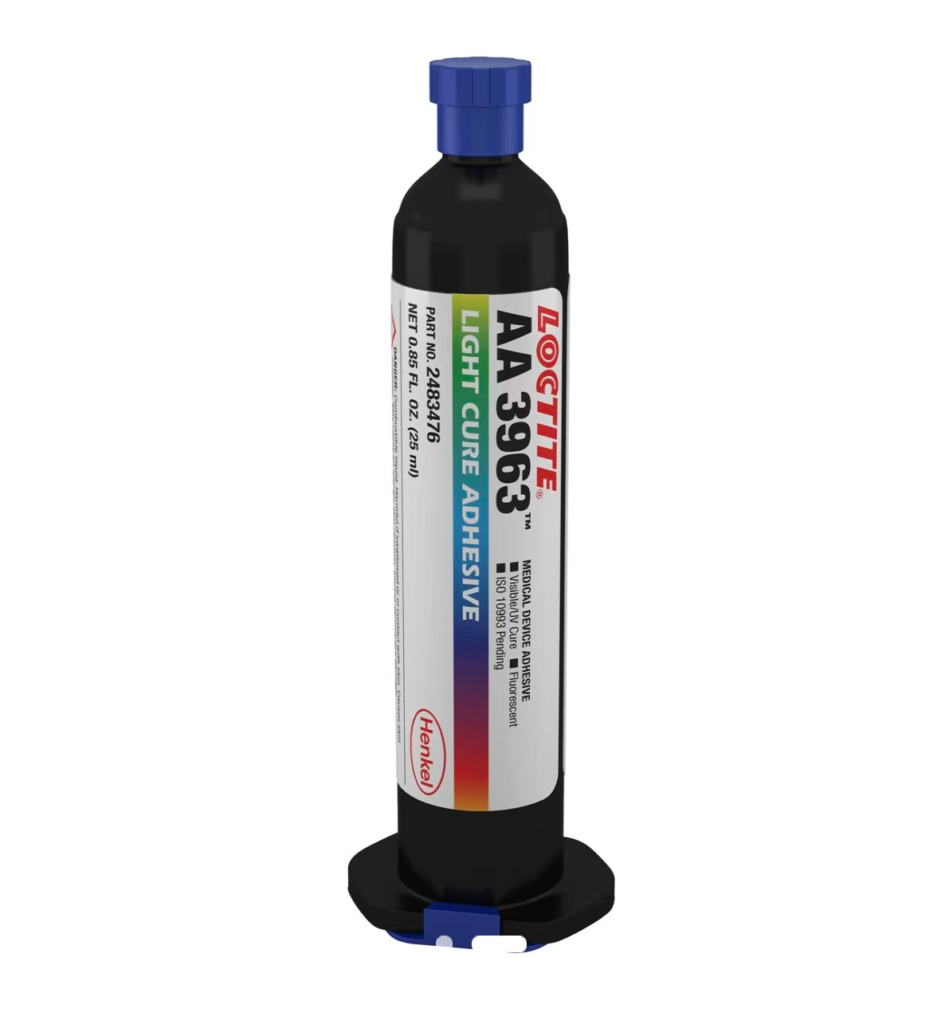
Selecting the right tape, adhesive, or bonding solution is rarely straightforward. The application may demand flexibility on a wearable patch, aggressive tack on a surgical drape, or precise viscosity control for automated dispensing. Add in regulatory hurdles such as ISO 10993 biocompatibility testing and validation for ethylene oxide or gamma sterilization, and the decision becomes even more complex.
To help you cut through the noise, this guide outlines what truly matters when evaluating medical tapes, adhesives, and bonding solutions at a China medical exhibition—from functional requirements and processing considerations to regulatory documentation and supplier capabilities.
The Growing Role of Bonding Solutions in Medical Device Manufacturing
Medical devices are becoming smaller, more complex, and increasingly focused on improved functionality. These changes create new challenges for manufacturers, especially when assembling components made from different materials or with unique design requirements.
Traditional mechanical fastening methods may not always meet the needs of modern medical device designs. Medical tapes and adhesives provide alternative bonding approaches that can support lightweight structures, complex geometries, and efficient assembly processes.
At the Medtec China Show, we focus on the upstream technologies that support medical device development. By bringing together suppliers of materials, components, and manufacturing solutions, we help international professionals understand how bonding technologies contribute to the complete production process.
Evaluating Medical Tapes for Advanced Medical Applications
Medical tapes are widely used in healthcare-related applications because they can provide secure attachment while maintaining flexibility and comfort. In medical device manufacturing, tape solutions require careful evaluation to ensure they meet specific design and production requirements.
Manufacturers need to consider factors such as adhesion strength, material compatibility, flexibility, durability, and processing requirements. The right tape solution depends on the application, device structure, and intended manufacturing process.
Material Compatibility and Performance Requirements
One of the most important considerations when selecting medical tapes is compatibility with different surfaces and materials. Medical devices often combine plastics, metals, films, and other specialized materials, requiring bonding solutions that can maintain stable performance.
Manufacturers must evaluate whether a tape can provide reliable adhesion while meeting design expectations. Surface characteristics, environmental conditions, and production processes all influence bonding performance.
Adhesive Technologies Supporting Medical Device Assembly
Adhesive bonding technologies provide manufacturers with flexible options for joining components without significantly changing product structures. They are especially valuable when device designs require precise assembly, lightweight construction, or smooth surfaces.
Different adhesive technologies offer different characteristics depending on the application. Manufacturers may need to evaluate factors such as curing methods, bonding strength, processing speed, and compatibility with production environments.
Adhesive materials and manufacturing solutions can be evaluated according to their compatibility with specific production requirements. Considering bonding performance, processing conditions, curing behavior, and integration with existing equipment can help manufacturers determine how adhesive technologies may support efficient production.
Improving Manufacturing Efficiency Through Advanced Bonding
Medical device manufacturing requires bonding solutions that balance quality, efficiency, and scalability. Advanced bonding technologies can support streamlined assembly processes by reducing complex mechanical steps and enabling more flexible designs.
However, successful implementation requires cooperation between material suppliers, equipment providers, and device manufacturers. Understanding the complete bonding process helps companies select solutions that align with their production goals.
Bonding Solutions and the Future of Medical Device Design
As medical devices continue to evolve, manufacturers require materials and technologies that support new design possibilities. Bonding solutions are becoming increasingly important because they allow engineers to combine different materials and create more compact structures.
From material selection to final assembly, every stage of the manufacturing process influences product performance. Reliable bonding technologies help manufacturers improve design flexibility while maintaining production consistency.
The medical device exhibition covers technologies related to raw materials, components, and manufacturing processes that contribute to medical device innovation.
Why Visit Medtec China Show for Medical Material Solutions
Unlike exhibitions focused on finished medical products, the Medtec China Show focuses on the medical device design and manufacturing supply chain.
For international OEMs, engineers, and sourcing professionals, this supply-chain focus provides a clearer view of China’s medical manufacturing resources, including materials, components, and production technologies relevant to bonding applications.
Building Connections Through Medtec China Show
Medical tapes, adhesives, and bonding solutions are essential elements in modern medical device manufacturing, supporting improved assembly methods and innovative product designs. These technologies connect material selection, component design, and production processes, making their performance an important consideration throughout product development.
For manufacturers evaluating bonding technologies, considering material compatibility, processing requirements, quality control, and production scalability can provide a more complete basis for assessing potential solutions.