
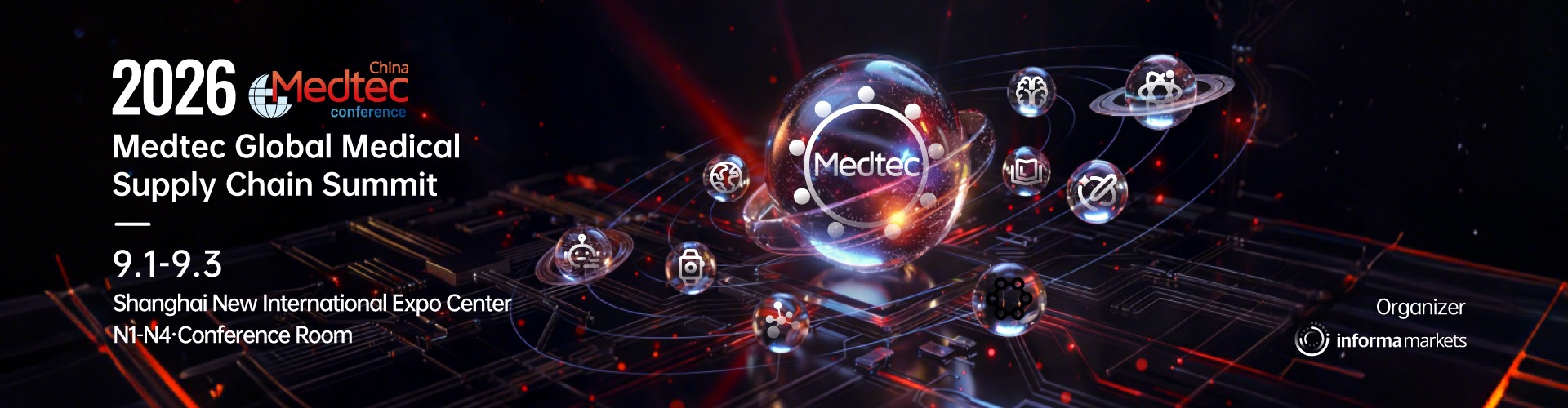
For suppliers and buyers preparing for Medtec China, it helps to understand what strong sourcing conversations really look like. Positioned as a medical device design and manufacturing expo, the event brings together global brands, OEMs, component makers, contract manufacturers, and technical service providers across the medical device supply chain. The 2026 edition will take place September 1 to 3, 2026 at Shanghai New International Expo Centre in Pudong. Visitor badge applications open from April 1, 2026, and early registration completed before August 30th is free. If your goal is to win better business, qualify suppliers faster, and turn show-floor meetings into real partnerships, now is the right time to prepare your message, sharpen your evaluation criteria, and visit Medtec China exhibition with a clear plan.
Global brands are not only looking for low cost. They are looking for suppliers they can trust under real business pressure. That changes how they evaluate every booth conversation.
What Global Device Brands Usually Want From Chinese Suppliers
The most successful suppliers understand one simple truth: global buyers are evaluating risk as much as capability.
A supplier may have strong pricing or good samples, but that alone rarely wins long-term business. Global device brands usually screen for a mix of technical, operational, and relationship factors.
The main areas they tend to evaluate include:
- quality systems
- technical capability
- communication discipline
- scalability
- responsiveness
- documentation strength
- long-term partnership fit
A good meeting at a major China medical exhibition 2026 should help both sides test these points quickly and clearly.
Quality Systems Come First
For most global brands, quality is the first filter. If the system behind the supplier looks weak, the conversation often ends there.
What buyers want to see
Buyers typically look for evidence that the supplier can operate with control, consistency, and traceability. They want to know that quality is built into the process, not added at the end.
They may assess:
- quality management system maturity
- process validation discipline
- change control practices
- traceability systems
- nonconformance handling
- corrective and preventive action practices
What this means for suppliers
Suppliers should be ready to explain their system in plain language. A polished sales pitch is less useful than a clear answer to questions like:
- How do you control variation?
- How do you handle process changes?
- What records can you provide during qualification?
- How do you respond when quality issues appear?
If you are exhibiting, this is not the place to be vague. Clear, direct answers build confidence faster than broad claims.
Technical Capability Must Match Real Applications
Global brands do not just want to hear what a supplier makes. They want to know whether that supplier can support a specific product need.
What buyers are really testing
Technical discussions often focus on fit, not just capacity. Buyers want to understand whether the supplier can meet requirements in actual use, not only in theory.
That may include:
- material knowledge
- process capability
- tolerance control
- prototyping support
- manufacturability input
- experience with similar applications
A supplier who says, “We can make many kinds of medical parts,” sounds less credible than one who says, “We support tight-tolerance molded parts for fluid management devices and can explain our validation process.”
A practical example
Imagine a buyer needs a supplier for a precision component used in a diagnostic system. They are not only comparing unit price. They are also asking:
- Can this supplier hold required tolerances?
- Do they understand medical application risks?
- Can they scale from samples to production?
- Will they spot design-for-manufacturing issues early?
That is why technical specificity matters.
Communication Often Decides Whether a Relationship Moves Forward
Many sourcing opportunities fail because communication is slow, unclear, or inconsistent.
What global brands expect
Buyers usually prefer suppliers that can communicate in a way that makes decision-making easier. That means:
- clear answers
- timely follow-up
- realistic commitments
- organized documentation
- consistent points of contact
Strong communication reduces friction. It also signals how the supplier may perform after onboarding.
What suppliers should avoid
Suppliers lose credibility when they:
- overpromise
- delay simple follow-up
- answer only part of a question
- send unclear materials
- change contact ownership too often
At an expo, communication quality shows up fast. A responsive, well-prepared team can stand out even in a crowded hall.
Scalability Matters More Than a Good Sample
A supplier may impress a buyer with one prototype or a smooth booth demo. But global brands are usually thinking beyond the first order.
What buyers want to know about scale
They often evaluate whether the supplier can support:
- higher production volumes
- stable lead times
- process consistency over time
- growth across multiple programs
- supply continuity during demand changes
This is especially important for brands that need a partner, not just a short-term vendor.
How suppliers can present scalability better
Instead of simply saying “we have strong capacity,” explain:
- what production volumes you handle today
- how you manage ramp-up
- what equipment or staffing supports growth
- how you prevent quality drift during expansion
Specifics are more convincing than general confidence.
Documentation Strength Builds Buyer Confidence
Documentation is often one of the clearest signs of supplier maturity.
What buyers may request or expect
Depending on the project, they may look for:
- certification status
- process records
- material traceability
- inspection reports
- validation support
- change history controls
Strong documentation helps buyers move faster internally. Weak documentation slows qualification, even when technical capability looks good.
Why this matters at the show
A booth conversation may open the relationship, but documentation often determines whether it goes to the next step. Suppliers that can explain what they can provide, and how fast, usually make a stronger impression.
Long-Term Partnership Potential Is a Real Buying Factor
Global brands often prefer suppliers who can grow with them, solve problems with them, and communicate honestly when things change.
What partnership potential looks like
Buyers often look for signs such as:
- willingness to support improvement
- openness to technical collaboration
- transparency about limits
- stable management and service structure
- interest in long-term business, not only quick orders
This is one reason relationship fit matters so much at trade shows. Buyers are not only screening factories. They are screening future working relationships.
How Suppliers Can Present Themselves More Effectively at the Event
A stronger booth strategy can make a major difference.
Focus on clarity, not volume
Do not try to say everything at once. Make it easy for buyers to understand:
- what you do best
- which medical applications you support
- what makes your process reliable
- what next step you can support
Prepare proof points
Good proof points may include:
- example applications
- process strengths
- quality system highlights
- export experience
- response timelines for follow-up
Equip the right people at the booth
A strong booth team often includes people who can address:
- commercial questions
- technical questions
- quality-related questions
- next-step planning
That helps move conversations beyond introductions.
How Buyers Can Assess Fit More Efficiently
Buyers also need discipline. A busy show can lead to too many casual conversations and too little clarity.
Use a simple supplier filter
During meetings, assess suppliers across a few core questions:
- Do they meet the technical need?
- Do they show quality discipline?
- Is communication clear and timely?
- Can they scale if the program grows?
- Do they look ready for qualification follow-up?
Look for substance, not polish
A great booth design does not equal a great supplier. Buyers should listen for practical, specific answers and watch how the team responds to detailed questions.
Useful signs include:
- direct answers
- realistic claims
- strong internal coordination
- clear next-step suggestions
A Better Show Conversation Benefits Both Sides
The best meetings happen when suppliers present themselves honestly and buyers ask focused questions. That creates faster qualification, fewer misunderstandings, and better use of show time.
For both sides, the goal is simple: move from broad interest to practical fit.
Conclusion
At Medtec China 2026, global device brands will be looking for far more than competitive pricing from Chinese suppliers. They will be assessing quality systems, technical capability, communication, scalability, documentation, responsiveness, and long-term partnership value. Suppliers that present these strengths clearly will stand out. Buyers that use a focused evaluation framework will make better decisions faster. The smartest next step is to prepare for deeper conversations before the event starts, so every strong meeting has a real chance to become a lasting business relationship.