
Medical device development rarely stays within one department. Product engineers may focus on materials and component design, manufacturing teams may evaluate molding and production processes, while procurement and quality teams examine suppliers, consistency, and long-term production capability. When these perspectives come together, an exhibition visit can become more than a technology tour—it can become a practical opportunity to evaluate how different parts of the manufacturing chain fit together.
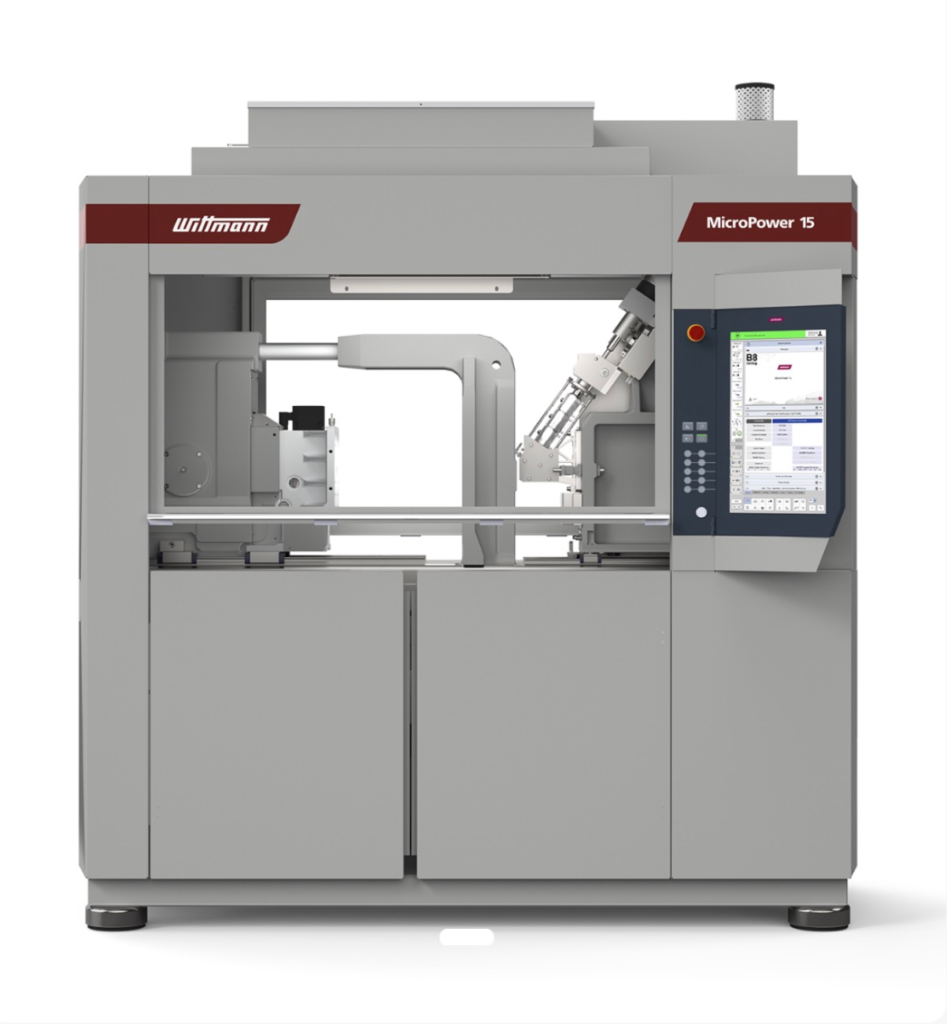
At Medtec Shanghai, we create an environment where these connections can happen in one place. Our exhibition brings together companies involved in medical materials, components, molding, automation, precision manufacturing, testing, and other technologies supporting medical device development. For cross-functional teams attending a medical device expo in Shanghai, this broad coverage provides a practical way to explore technologies from several professional perspectives at the same time.
The group visit program adds another layer of structure. Instead of having different departments visit independently, a coordinated group can identify shared priorities, divide responsibilities, and compare findings after meeting suppliers.
As a professional medical device design and manufacturing supply chain exhibition, we focus on upstream resources including materials, components, production technologies, and manufacturing solutions, helping international visitors better understand the capabilities behind medical device developme.
Begin With the Device, Not the Technology Category
A cross-functional exhibition visit works best when the starting point is a real product or development requirement. Rather than deciding in advance to “look at molding” or “find an automation supplier,” teams can first identify the component or production challenge that needs attention.
A catheter, diagnostic instrument, wearable device, or surgical component may involve several technologies at once. The material affects molding or extrusion. The selected production process affects automation requirements. Inspection methods then need to match the characteristics of the finished component.
At Medtec Shanghai, we bring these connected technologies into the same exhibition environment. This makes it possible to investigate a specific product requirement from multiple angles instead of evaluating each technology in isolation.
Materials: Where Design and Manufacturing Decisions Meet
Material selection can influence nearly every later stage of medical device development. Medical-grade polymers, metals, ceramics, glass, and composite materials offer different combinations of mechanical, chemical, and processing characteristics.
Connecting Material Properties With Application Requirements
An engineering team may be interested in flexibility, strength, transparency, chemical resistance, or biocompatibility. A manufacturing team may have a different concern: whether the selected material can be processed consistently through molding, extrusion, machining, or another production method.
This is why material discussions become more valuable when several departments participate. The same supplier conversation can cover technical performance, processing behavior, customization, and potential production requirements.
Exploring Materials Alongside Component Technologies
Material selection should also be considered alongside the component being produced. Tubing, connectors, molded housings, precision metal parts, and other medical components can require very different material approaches.
At Medtec Shanghai, we connect material providers with the broader medical manufacturing ecosystem, giving cross-functional teams opportunities to explore how material choices relate to component production.
Molding: From Design Intent to Repeatable Components
Molding is an important manufacturing method for medical components, particularly when production requires consistent dimensions and repeatable results at scale.
A product design may appear technically feasible on a drawing but encounter challenges when converted into a mold and production process. Part geometry, material behavior, tooling design, tolerances, cycle times, and quality control can all influence the final result.
What Engineering Teams Can Examine
Engineering teams can use supplier discussions to understand whether a proposed design is compatible with available molding technologies. Conversations may cover material selection, tooling considerations, dimensional requirements, and opportunities for design optimization.
These discussions can be particularly useful during the transition from prototype to production, when manufacturability becomes increasingly important.
What Procurement and Quality Teams Can Add
Procurement teams may examine production capacity, supply stability, and customization capability, while quality teams can focus on process control, inspection, and consistency.
Bringing these questions into the same supplier meeting creates a more complete assessment than evaluating a manufacturer from a single departmental perspective.
Automation: Connecting Individual Processes Into a Production System
Automation becomes increasingly valuable when medical device production involves repetitive processes, strict consistency requirements, or multiple manufacturing stages.
At Medtec Shanghai, automation can be viewed in relation to the processes it supports rather than as an independent technology category. Automated handling, assembly, inspection, and production systems can help connect different stages of manufacturing.
Evaluating Automation Beyond Equipment Specifications
A machine’s technical specifications do not necessarily reveal how effectively it can integrate into an existing production environment. Engineering teams may need to examine compatibility with current equipment, while manufacturing teams may focus on throughput and process stability.
Quality teams may also need to understand how automated systems collect production or inspection data and how these systems contribute to process monitoring.
A cross-functional discussion can therefore reveal practical considerations that may not emerge during a standard equipment demonstration.
Follow One Production Challenge Across Multiple Technologies
One of the strongest advantages of a broad medical manufacturing exhibition is the ability to follow one problem across several technology categories.
Suppose a new medical component requires a different polymer and tighter dimensional control. The engineering team may begin with material suppliers, then investigate molding or precision processing options. The manufacturing team can examine automation possibilities, while the quality team evaluates inspection technologies that could verify the finished component.
At Medtec Shanghai, we provide the environment for this type of exploration. Our exhibition covers different parts of the medical device supply chain, allowing teams to move between related technologies rather than limiting research to one category.
Make Group Visits More Useful With Shared Objectives
A cross-functional team does not need every member to attend every meeting. A more effective approach is to establish shared objectives before arriving and assign different responsibilities across the group.
Give Each Department a Specific Role
Engineering can concentrate on technical feasibility and design support. Manufacturing can investigate process capabilities and automation. Procurement can compare supplier resources and cooperation models. Quality can examine inspection and production-control capabilities.
After the exhibition, these individual findings can be combined to create a broader supplier assessment.
Explore the Medical Manufacturing Supply Chain at Medtec Shanghai
Materials, molding, and automation may appear to belong to separate technology categories, but they are closely connected within medical device manufacturing. Material properties affect molding. Component design influences production processes. Production requirements shape automation strategies. Quality requirements influence inspection and process control.
At Medtec Shanghai, we bring these technologies and the companies behind them into one professional environment. The exhibition provides opportunities for cross-functional teams to explore materials, manufacturing processes, automation, components, testing, and related solutions within the same medical manufacturing ecosystem.
For teams researching a medical device expo in Shanghai, this integrated perspective can make supplier research more focused and productive.
Turn a Team Visit Into a Manufacturing Strategy
The greatest value of a cross-functional exhibition visit comes from connecting what different departments discover. A material supplier may reveal a new production possibility. A molding specialist may suggest a design adjustment. An automation provider may offer a way to improve consistency. A testing company may identify a requirement that influences the entire process.
We designed Medtec Shanghai to facilitate these connections across the medical device manufacturing supply chain.
For medical device companies looking to connect materials, molding, automation, and other manufacturing technologies, Medtec Shanghai provides a focused setting for turning cross-functional discussions into practical sourcing and development opportunities.