
Ask any field service engineer about the most common failure points in medical devices, and the answer often points to the same culprit: transmission components. Connectors loosen, cables fatigue, batteries lose capacity, and wireless signals drop out at the worst possible moment. These failures rarely make headlines, but they haunt design teams long after launch.
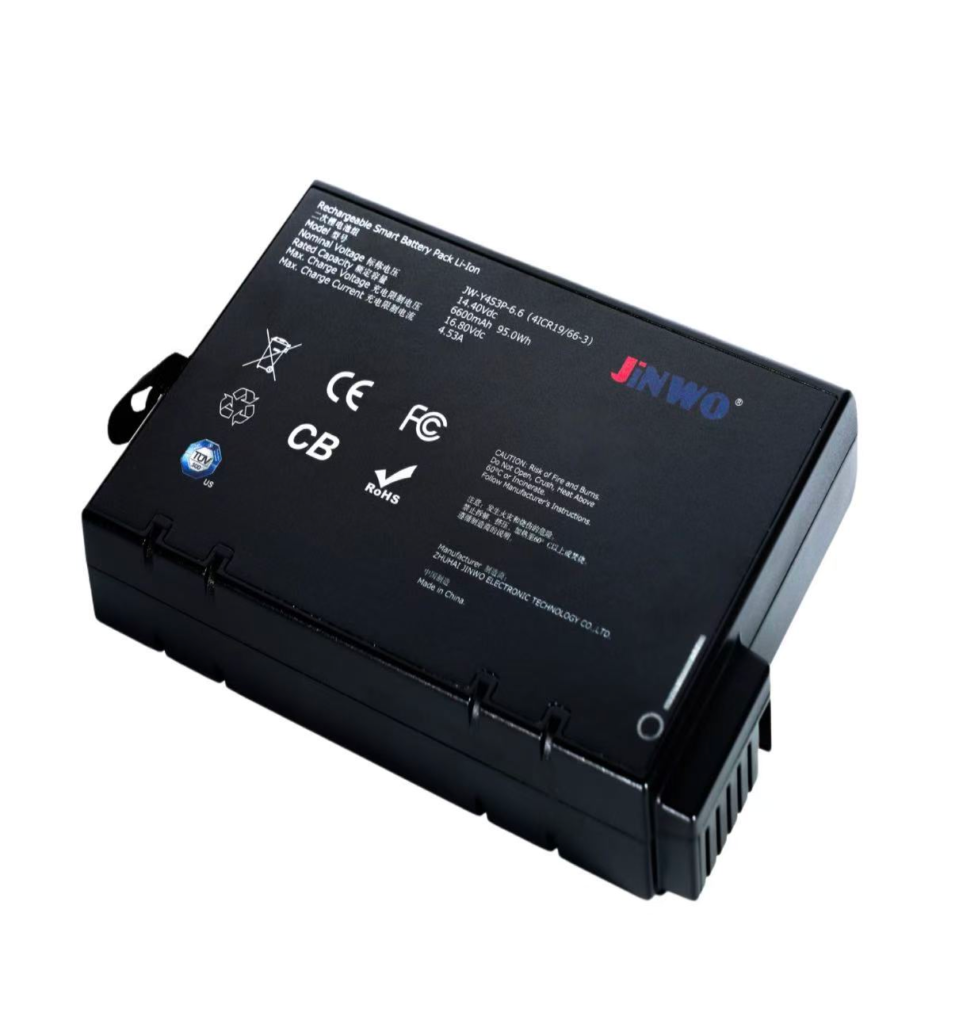
The truth is, energy and signal paths are the most vulnerable parts of any electronic medical device. They endure repeated flexing, sterilization heat, electromagnetic noise, and patient movement—all while being expected to perform with absolute consistency. The component that looks adequate on a lab bench may prove entirely unsuitable in the OR.
At the Medtec China Medical Expo, you will encounter no shortage of suppliers offering transmission solutions. But the real work lies in separating what looks good on a sample board from what will actually hold up under clinical conditions. Material choice, termination methods, shielding effectiveness, and sterilization compatibility are just a few of the details that demand close attention.
This guide strips away the marketing language and walks you through the specific questions you should ask when evaluating energy and signal transmission components at a medical exhibition in China—because what you don’t check on the show floor may cost you on the factory floor.
The Growing Importance of Transmission Components in Medical Devices
Medical devices increasingly depend on reliable internal systems to support monitoring, communication, and automated functions. Whether used in diagnostic equipment, patient monitoring systems, or other medical applications, energy and signal transmission components influence device stability and overall performance.
As medical devices become smaller and more integrated, manufacturers face greater challenges in component selection. Transmission solutions must balance compact design, reliable performance, and compatibility with increasingly complex systems.
At the Medtec China Medical Expo, we focus on the upstream technologies behind medical device development. Instead of concentrating on finished products, the exhibition provides access to materials, components, manufacturing technologies, and production solutions that support medical device innovation.
Evaluating Energy Transmission Components for Medical Manufacturing
Energy transmission components play an important role in delivering stable power within medical devices. Reliable power management is essential for maintaining consistent operation, especially in equipment that requires continuous performance and precise control.
When selecting energy transmission components, manufacturers need to evaluate factors such as electrical performance, durability, size requirements, and compatibility with the overall system design.
Power Reliability and System Integration
Medical device manufacturers must consider how energy transmission components integrate with other parts of the system. Poor compatibility or unstable performance may affect device reliability and manufacturing efficiency.
Engineers often need to balance multiple factors, including space limitations, power requirements, thermal considerations, and production processes. Choosing suitable components during the design stage can help improve product development efficiency.
Signal Transmission Components Supporting Medical Device Connectivity
Signal transmission components are critical for modern medical devices because they enable communication between different systems and support accurate information exchange.
As healthcare equipment becomes more connected, manufacturers require components that can maintain signal quality and reliability under different operating conditions. Factors such as signal stability, interference resistance, and integration capability are important considerations during development.
Through medical device exhibition, we connect medical device professionals with suppliers providing technologies related to signal transmission and component manufacturing.
Maintaining Accuracy in Medical Data Communication
Accurate data transmission is essential for many medical applications. Whether devices are collecting information, communicating with other systems, or supporting automated functions, signal integrity plays an important role.
Manufacturers need to consider component performance throughout the entire product lifecycle. Reliable signal transmission solutions can support stable device operation and improve the overall user experience.
Material Selection and Manufacturing Quality of Transmission Components
The performance of energy and signal transmission components depends not only on design but also on material quality and manufacturing processes. Materials must meet specific requirements related to conductivity, durability, precision, and environmental compatibility.
For medical device manufacturers, evaluating suppliers involves understanding both component specifications and production capabilities. Manufacturing consistency, quality management, and technical support are important factors when selecting potential partners.
Finding Suitable Component Suppliers at Medtec China Medical Expo
A specialized medical manufacturing exhibition brings together companies working across different areas of the medical device supply chain. This provides manufacturers with a broader view of available component solutions, production technologies, and manufacturing capabilities.
Unlike exhibitions focused on finished medical products, the Medtec China Medical Expo focuses on the medical device design and manufacturing supply chain. Visitors can find resources related to raw materials, precision components, production technologies, and manufacturing solutions.
Strengthening Medical Device Manufacturing Through Medtec China Medical Expo
Reliable energy and signal transmission components are essential elements in modern medical device development. As medical equipment becomes more intelligent and integrated, manufacturers require precise component solutions that deliver stable performance, efficient communication, and compatibility with increasingly complex product designs.
When evaluating these components, manufacturers should consider the complete relationship between materials, component design, electrical performance, and manufacturing processes. Factors such as conductivity, shielding, mechanical durability, dimensional precision, and environmental resistance can influence how effectively a component performs within the final device.
Quality control is equally important during production. Consistent manufacturing processes can help reduce variations in connectors, cables, terminals, and other transmission components, supporting more predictable device performance. By considering component specifications together with manufacturing capabilities, medical device companies can develop a clearer understanding of potential solutions for future products.
Through Medtec China, we provide access to resources across the medical device design and manufacturing ecosystem, supporting professionals as they evaluate technologies related to components, materials, production, and system integration.