
Medical adhesives and automated dispensing technologies play an important role in the production of modern medical devices. As products become smaller, more complex, and increasingly integrated, manufacturers need reliable bonding solutions and precise application methods to maintain product performance and production efficiency.
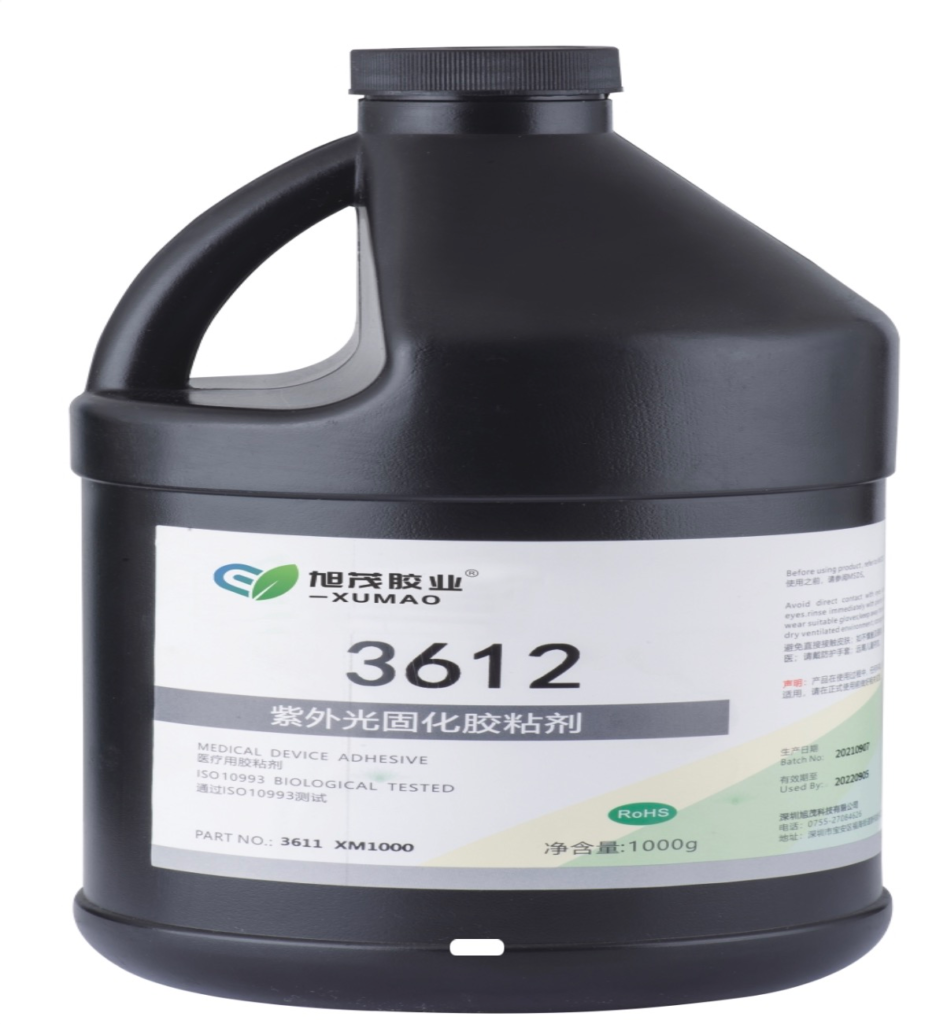
For engineering teams, selecting suitable adhesive materials and dispensing systems requires consideration of multiple factors, including material compatibility, process accuracy, production requirements, and long-term reliability. Visiting professional manufacturing exhibitions can provide valuable information about available technologies and industry developments.
Medtec China focuses on the medical device design and manufacturing supply chain, covering materials, components, production technologies, and manufacturing solutions. As a professional medical manufacturing expo, it provides a platform for medical device manufacturers, OEMs, engineers, and R&D professionals to learn about technologies supporting medical product development.
Medtec China focuses on the latest developments across the medical device manufacturing supply chain, including advanced production technologies and solutions.
The Importance of Medical Adhesives in Device Manufacturing
Medical adhesives are widely used in different types of medical products where reliable bonding is required. Compared with traditional mechanical joining methods, adhesives can provide solutions for lightweight structures, complex designs, and components with limited assembly space.
In medical device production, adhesives may be used for applications involving plastic parts, tubing systems, sensors, and other precision components. The selected adhesive needs to match the materials being joined while maintaining stable performance throughout the product lifecycle.
However, choosing an adhesive solution is not simply a matter of selecting a product with strong bonding capability. Engineering teams need to evaluate how the adhesive interacts with different materials, how it performs under expected conditions, and whether it can be effectively integrated into the manufacturing process.
Why Automated Dispensing Matters for Medical Manufacturing
The application process can influence the performance of an adhesive just as much as the adhesive material itself. Manual application methods may create variations in adhesive volume, placement, and consistency, especially when production involves small or complex components.
Automated dispensing systems provide greater control over adhesive application by improving accuracy and repeatability. For medical device manufacturers, this can help create more consistent assembly processes and reduce potential quality issues caused by uneven application.
As medical devices become more compact, precise dispensing becomes increasingly important. Engineering teams need to consider how dispensing equipment matches product design, production speed, and quality requirements.
Replace that section with the following:
Evaluating Adhesive and Dispensing Technologies for Medical Production
Selecting a suitable adhesive and dispensing solution requires engineering teams to consider how materials, equipment, and production processes work together. A successful solution should not only meet bonding requirements but also fit the practical needs of medical device manufacturing.
Matching Adhesive Properties With Application Requirements
Different medical devices require different bonding characteristics. Factors such as curing behavior, flexibility, chemical resistance, and long-term stability can influence whether an adhesive is suitable for a specific application.
Engineering teams need to evaluate the relationship between adhesive performance and the materials being joined. This includes considering how the adhesive interacts with plastics, metals, glass, or other medical-grade materials during production and product use.
Maintaining Accuracy in Adhesive Application
The consistency of adhesive placement can directly affect assembly quality. In medical manufacturing, where components may have small dimensions and complex structures, dispensing accuracy becomes an important part of process control.
Automated dispensing equipment helps manufacturers manage adhesive volume, positioning, and repeatability more effectively. When evaluating dispensing technologies, teams should consider whether the system can maintain stable performance under actual production conditions.
Considering Manufacturing Compatibility and Future Requirements
A suitable adhesive and dispensing solution should work efficiently within the existing production environment. Factors such as equipment integration, production speed, process adjustments, and scalability can influence long-term manufacturing performance.
For engineering teams, choosing a technology that can adapt to future product changes is also important, especially when developing medical devices with customized designs or evolving market requirements.
How Chinese Manufacturers Are Developing Adhesive and Dispensing Capabilities
China’s medical manufacturing industry has developed a broad ecosystem covering materials, components, equipment, and specialized production technologies. This development has created more opportunities for international companies seeking manufacturing resources.
Many manufacturers are expanding their capabilities beyond basic component production by improving process technologies and developing more specialized solutions. In areas such as medical adhesives and automated dispensing, companies are focusing on precision, efficiency, and production consistency.
For international engineering teams, evaluating Chinese suppliers involves looking at more than individual products. Technical experience, application knowledge, production capability, and communication efficiency are also important factors when selecting potential partners.
Applications of Adhesives and Dispensing Technologies in Medical Devices
Medical adhesives and automated dispensing systems are used across different medical applications where reliable assembly is required. These technologies can contribute to products such as diagnostic equipment, disposable medical devices, fluid management systems, and wearable healthcare products.
In each application, engineering requirements may vary. Some products may require highly precise adhesive placement, while others may focus on production efficiency and consistent output.
Understanding how adhesive technologies are applied in different manufacturing environments can help engineering teams evaluate suitable solutions for their own projects.
What Engineering Teams Can Learn at Medtec China
Medtec China focuses on the manufacturing technologies behind medical device development. Unlike exhibitions centered on finished medical products, it highlights upstream resources such as materials, components, processing technologies, and production solutions.
For engineering teams researching medical adhesives and automated dispensing technologies, the exhibition provides opportunities to communicate with industry participants and learn about different manufacturing approaches.
Visitors can discuss application requirements, compare technical solutions, and gather information about how bonding and dispensing technologies are used in medical device production.
As a professional medical manufacturing expo, Medtec China brings together resources related to medical manufacturing and provides a valuable environment for professionals involved in product design and engineering.
Preparing for a More Effective Technology Evaluation
Engineering teams can define their project requirements, including material considerations, production volume, component design, and expected performance standards.
With clear objectives, discussions with technology providers can become more focused. Teams can evaluate whether different adhesive and dispensing solutions match their production needs and future development plans.
Evaluating the Future of Medical Adhesive and Dispensing Technologies
Medical adhesives and automated dispensing systems are becoming increasingly important as medical devices require greater precision, reliability, and manufacturing efficiency. The combination of suitable materials and controlled application processes can influence both product performance and production quality.