
Global supply chains for clinical hardware require rigorous technical evaluation, making direct supplier engagement vital for project leaders. Taking place each September across Halls N1 through N4 at the Shanghai New International Expo Center, alongside technical sessions in Conference Rooms N1 to N4, our landmark event connects international developers with specialized production partners.
As the team representing Medtec China, we organize this platform to give research personnel direct access to cutting-edge components, raw materials, and processing systems. Navigating a world-class international medical exhibition helps cross-functional teams resolve design challenges, assess contract manufacturing capabilities, and accelerate product commercialization. Overseas specialists can register on our official portal right away to request badge access, view summit topics, and arrange personalized supplier meetings in Shanghai.
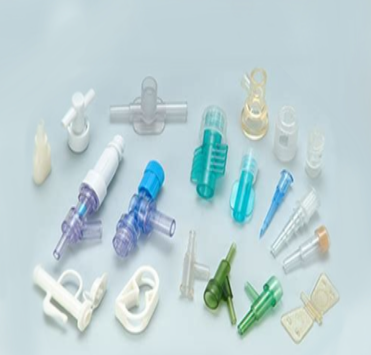
Strategic Preparation and Sourcing Objectives
Defining precise technical requirements before stepping onto the show floor prevents wasted effort and maximizes productivity. Engineering teams benefit from categorizing project needs into critical components, surface modification processes, and high-precision assembly capabilities. Having clear performance parameters established beforehand ensures meaningful discussions with technical sales engineers.
Pre-arranging meetings with key component vendors guarantees dedicated face-to-face consultation during busy show days. Preparing digital CAD files, material specification sheets, and preliminary non-disclosure agreements streamlines initial technical reviews directly at the booth. Balancing scheduled vendor sessions with unstructured floor exploration encourages spontaneous discoveries of novel fabrication methods.
Establishing multi-departmental evaluation criteria allows procurement, quality, and design specialists to align on vendor qualifications quickly. Technical teams ought to focus on ISO certifications, cleanroom classifications, and raw material traceability systems during early vendor audits. Shared scorecard frameworks help streamline post-event supplier selection procedures.
Material Characterization and Implantable Grade Polymers
Evaluating biocompatible resins requires analyzing mechanical strength, flexural fatigue, and chemical stability under repeated sterilization cycles. Specialty thermoplastics such as implant-grade PEEK, ultra-high-molecular-weight polyethylene, and fluoropolymers continue replacing metal alloys in micro-invasive surgical tools. Research teams analyze stress-strain profiles and degradation resistance to confirm long-term biological safety.
Raw material processing behavior significantly influences final component geometry, particularly during high-speed precision injection molding. Resin viscosity variations or uneven thermal cooling can introduce residual stress, leading to microscopic warping in delicate fluid channels. Pre-production mold flow analyses help engineers establish stable processing windows before mass tooling begins.
Surface functionalization opens further opportunities to enhance substrate performance without altering core mechanical properties. Hydrophilic polymer coatings reduce vascular catheter friction, while anti-microbial treatments minimize bacterial adherence along sub-dermal delivery lines. Investigating functional surface treatments early enables technical teams to boost functional safety across diverse product portfolios.
Precision Micro-Machining and Sub-Assembly Execution
Fabricating intricate clinical components depends on high-precision machining technologies capable of achieving sub-micron accuracy consistently. Micro-EDM systems, Swiss-type CNC turning centers, and ultrafast laser cutters allow component suppliers to build detailed stent structures, complex orthopedic implants, and tiny sensor housings. Utilizing advanced machining platforms helps maintain tight dimensional tolerances across long manufacturing cycles.
Thermal management during high-speed cutting operations remains crucial for preventing material deformation and surface micro-cracking. Monitoring spindle vibrations, tool wear, and coolant delivery using inline sensor feedback helps operators spot micro-variations instantly. Integrating automated optical metrology beside machining cells reduces scrap rates and maintains dimensional stability.
A premier medical manufacturing expo highlights advanced manufacturing machinery in motion, featuring high-speed multi-axis turning lathes, automated micro-dispensing heads, and vision-guided inspection stations operating in real time. Precision dispensing modules apply micro-droplets of UV-curable adhesives onto flexible circuit connectors without air entrapment or overflow. Watching these live demonstration platforms assists project managers in assessing cycle time efficiency and cleanroom compatibility.
Quality Management and Traceability Verification
Meeting international regulatory standards demands unbroken material traceability from initial raw batch synthesis through sterile barrier packaging. Original equipment manufacturers must verify that supplier quality management systems comply with ISO 13485 guidelines and maintain up-to-date device master files. Establishing clear technical quality agreements upfront prevents compliance roadblocks during regulatory filings.
Biocompatibility testing strategies increasingly emphasize thorough chemical characterization over traditional animal testing models. Extractables and leachables analysis provides quantitative measurements regarding compound migration under aggressive solvent conditions. Conducting comprehensive chemical screening early clarifies risk management steps prior to clinical evaluations.
Risk mitigation planning must balance physical component performance against potential supply chain disruptions. Over-reliance on single-source vendor networks exposes manufacturing operations to sudden material shortages or global freight bottlenecks. Cultivating qualified secondary suppliers for critical sub-assemblies stabilizes production continuity across shifting market conditions.
Collaborative Innovation and Sustainable Practices
Environmental metrics are increasingly shaping purchasing criteria across the international medical device manufacturing landscape. Transitioning to bio-based polymers, recyclable tray packaging, and low-energy molding machinery reduces environmental impact while preserving sterile barrier performance. Forward-thinking component vendors actively audit facility energy consumption to comply with emerging global ESG benchmarks.
Closed-loop solvent recovery systems and scrap reduction initiatives minimize industrial waste throughout continuous manufacturing runs. Reclaiming high-value engineering resins for non-sterile structural housings reduces raw material expense while supporting circular economic principles. Implementing waste reclamation strategies yields measurable cost savings across extended product lifecycles.
Building durable vendor networks relies on transparent communication, shared technical roadmaps, and continuous collaborative auditing routines. Site visits and ongoing engineering feedback strengthen relationships between device developers and raw material specialists. Such collaborative frameworks encourage joint innovation and speed up market introduction for next-generation clinical hardware.
Conclusion
Navigating complex component procurement, verifying regulatory compliance, and adopting cleanroom automation require structured planning and strong supplier partnerships. Our team at Medtec China takes pride in hosting an open global exchange where healthcare pioneers, raw material innovators, and automation experts collaborate to advance modern medical technology.
Visiting a dynamic international medical exhibition grants technical teams direct access to groundbreaking materials, precision equipment, and supply chain solutions. Plan your visit early, connect with premier engineering partners, and transform your technology-sourcing strategy; visit our official portal now to complete visitor registration, review the summit schedule, and organize your journey to Shanghai.