
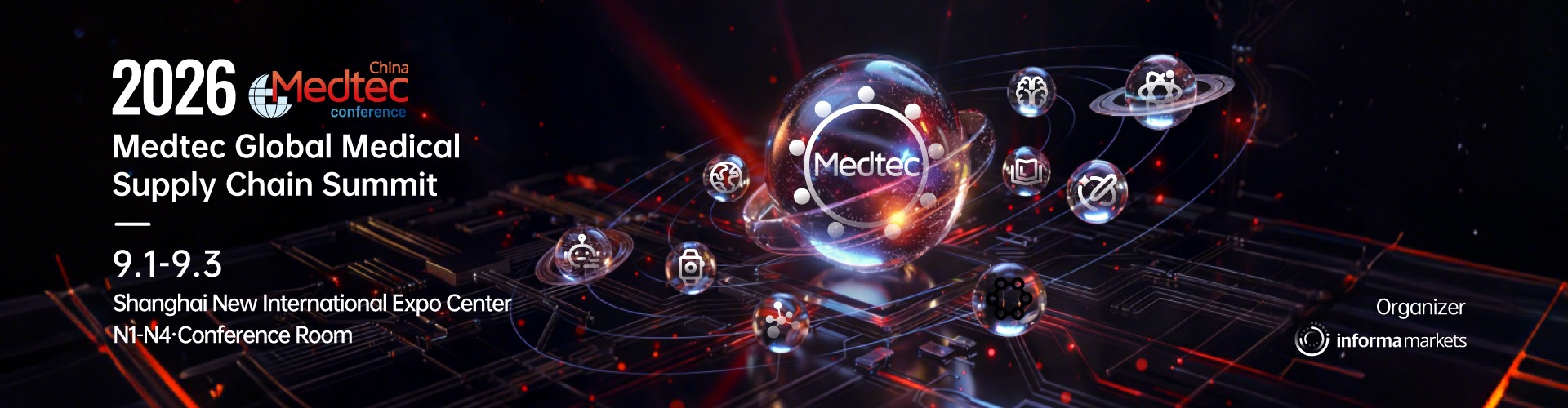
If you are planning for 2026 Medtec China, it helps to prepare before you ever step onto the show floor. As a leading exhibition for medical device R&D and manufacturing, Medtec China brings together suppliers, engineers, sourcing teams, and decision-makers across the global device supply chain. The 2026 event will take place September 1–3, 2026, at SNIEC N1–N4 in Shanghai. Visitors can pre-register for free before August 30, while onsite entry requires a paid ticket. If you want sharper meetings, better supplier comparisons, and a more productive trip, explore the official international medical expo information and visit Medtec China exhibition early so you can arrive with a plan instead of starting from zero.
Why Pre-Screening Exhibitors Matters
A large medical manufacturing expo can be a major advantage, but only if you use your time well. When hundreds of suppliers are present across materials, components, manufacturing, automation, testing, packaging, and regulatory support, it is easy to lose focus.
That is where pre-screening matters.
Without it, you may spend too much time on booths that look interesting but do not match your needs. You may also miss better-fit suppliers because your schedule gets crowded too early. For procurement, engineering, and sourcing teams, that creates a real cost:
- Weak supplier comparisons
- Rushed technical discussions
- Missed shortlist candidates
- Poor follow-up after the event
- Less confidence in supplier decisions
Pre-screening turns a broad expo into a targeted sourcing tool. It helps you walk in knowing who deserves your time, who needs a quick review, and who can wait for another event.
Start With Clear Sourcing Goals
Before you review exhibitor lists, get specific about what you need.
Define the business problem first
Many visitors start by browsing categories. A better approach is to start with the sourcing problem you are trying to solve.
Ask questions like:
- Are we searching for a new supplier or validating backups?
- Do we need a component, a material, a process, or a full manufacturing partner?
- Is our priority cost, quality, speed, innovation, or compliance support?
- Are we solving an urgent project issue or doing long-term market research?
This step matters because the right exhibitor for one goal may be the wrong exhibitor for another.
For example, a team looking for prototype support may need a very different supplier than a team seeking high-volume OEM production.
Align internal stakeholders before the event
If procurement, engineering, and quality all attend the expo with different priorities, you may waste time or send mixed signals to suppliers.
Before the event, agree on:
- Your main sourcing objective
- Must-have supplier capabilities
- Nice-to-have strengths
- Top product or process categories
- Who will lead each meeting
- What qualifies a supplier for follow-up
This makes on-site decisions much easier.
Build Simple Exhibitor Tiers
Not every exhibitor needs the same amount of time. A tiering system helps protect your schedule.
Tier 1: Priority exhibitors
These are the suppliers most likely to fit your needs. They should get your best time slots and, where possible, pre-booked meetings.
Typical Tier 1 signals include:
- Strong match with your product or process need
- Clear medical device experience
- Relevant certifications or quality systems
- Good communication before the event
- Capacity that fits your project stage
Tier 2: Worth exploring
These exhibitors look promising, but you still need more evidence. They may have useful capabilities, though the fit is not yet clear.
Use these meetings to confirm:
- Technical depth
- Project relevance
- Responsiveness
- Commercial fit
- Export or regulatory readiness
Tier 3: Discovery only
These are exhibitors you may stop by if time allows. They are useful for learning about the market, spotting alternatives, or tracking trends, but they are not core targets.
This structure keeps your day balanced. It also prevents low-priority booths from taking time away from stronger opportunities.
What to Review Before Booking a Meeting
A booth listing alone is not enough. You need signals that tell you whether a conversation is worth the effort.
Look at capability fit
Start with the most basic question: do they actually offer what you need?
Review whether the exhibitor appears to match your requirements in areas such as:
- Raw materials or components
- Precision manufacturing
- Packaging or sterilization
- Automation or smart factory support
- Testing and metrology
- Design, regulatory, or engineering services
- OEM/ODM capabilities
Broad claims are common. Look for signs of real specialization.
Check medical industry relevance
A supplier may be technically strong but still not be right for medical applications. Try to confirm whether they understand medical expectations around documentation, traceability, consistency, cleanliness, and quality control.
Useful signs include:
- Experience serving medical device customers
- Familiarity with quality systems
- Ability to discuss validation or controlled processes
- Evidence of regulated manufacturing support
Review communication quality
Fast and clear communication before the expo often predicts smoother communication after it.
If a supplier replies with vague answers, avoids specifics, or sends generic sales language, that is worth noting. Good suppliers usually show clarity early.
Watch for scale mismatch
A supplier can be too small or too large for your needs.
You may run into problems if:
- Your volumes are too low for their model
- Your growth needs exceed their capacity
- Their lead times do not match your program
- Their support model is not built for your project phase
Fit matters more than size alone.
Prepare Questions That Reveal Real Fit
A good pre-screening plan includes not only who to meet, but what to ask.
Focus on practical questions
Avoid wasting your first conversation on questions that are too broad. Ask about the issues that help you qualify a supplier quickly.
Examples include:
- What medical device applications do you support today?
- What are your core manufacturing strengths?
- What tolerances, materials, or processes do you handle most often?
- How do you support quality control and traceability?
- What project stages do you serve best: prototype, pilot, or mass production?
- What is a typical lead time for work like ours?
- How do you manage engineering changes?
These questions help you move beyond marketing language.
Tailor questions by role
Different teams should listen for different signals.
Procurement may focus on:
- Supply stability
- Capacity
- Commercial flexibility
- Lead times
- Risk diversification
Engineering may focus on:
- Process capability
- Technical support
- Design input
- Tolerances
- Materials expertise
Quality or regulatory teams may focus on:
- Documentation
- Traceability
- Change control
- Compliance support
- Inspection methods
This makes meetings more useful and keeps evaluation grounded in real needs.
How to Avoid Wasting Time on the Show Floor
Even with preparation, expo days can become chaotic. You need a plan that protects attention and energy.
Book key meetings early
Do not wait until arrival to contact top exhibitors. Priority meetings should be scheduled before the event whenever possible.
That gives you:
- Better meeting times
- More focused conversations
- Time to prepare documents or drawings
- Less risk of missing a target supplier
Use a simple daily route
Map your target booths by hall and priority. This reduces unnecessary walking and helps you avoid bouncing between unrelated categories.
A simple plan works best:
- Start with Tier 1 meetings
- Use open gaps for Tier 2 reviews
- Save Tier 3 discovery for spare time
Take notes immediately
After a few meetings, details start to blend together. Write down your impressions right away.
Capture points like:
- Technical fit
- Quality confidence
- Communication quality
- Next-step potential
- Concerns or red flags
A short note taken in the moment is often more useful than a long report written later.
Do not confuse a polished booth with a qualified supplier
Some exhibitors present very well. That does not always mean they are the best fit. Stay focused on capability, process discipline, and follow-up potential, not just display quality.
A Simple Pre-Screening Checklist
Before the expo, make sure you can answer these questions for each priority exhibitor:
- What need are we evaluating them for?
- Why are they Tier 1, 2, or 3?
- What signals suggest medical relevance?
- What questions must we get answered?
- Who from our team should meet them?
- What outcome would justify follow-up?
If you can answer those clearly, you are already ahead of many visitors.
Final Thoughts
Pre-screening exhibitors is one of the easiest ways to improve the value of an international medical expo visit. It helps procurement teams source more efficiently, engineering teams ask better technical questions, and cross-functional groups compare suppliers with more confidence. The goal is not to predict everything before the show. It is to arrive informed enough to spend your time where it matters most. When you pre-screen well, the expo becomes less overwhelming and far more useful.