
Finding the right manufacturing partner can make or break your medical device launch. When you step onto a massive exhibition floor, every booth looks promising. However, not all suppliers operate at the same level in the supply chain. Knowing how to distinguish between Tier-1 and Tier-2 suppliers saves you time, protects your budget, and ensures regulatory compliance.
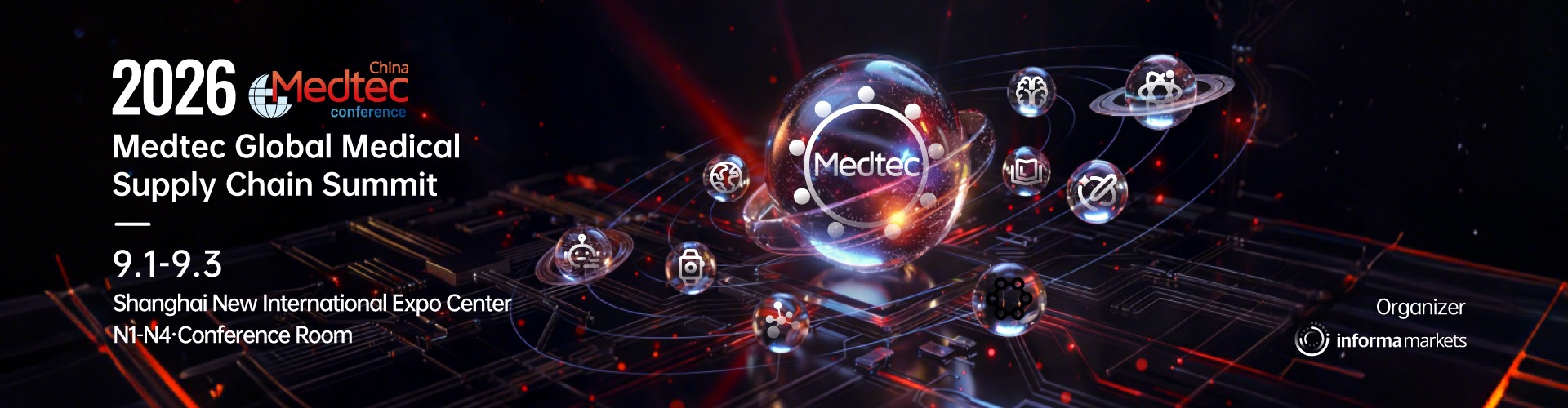
The upcoming 2026 Medtec China exhibition is the perfect place to refine your sourcing strategy. Positioned as Asia’s premier event dedicated strictly to medical device R&D and manufacturing, this massive gathering will take place from September 1 to 3, 2026, at the SNIEC (Pudong) N1-N4 in Shanghai. The event brings together 1,100 specialized exhibitors and 93,000 industry professionals. You can explore nine distinct product themes, spanning everything from advanced raw materials to full-service OEM automation. Visitor pre-registration is completely free before August 30th, saving you the ¥100 onsite ticket fee. To secure your spot and start building your ideal supply chain, attend 2026 Medtec China today.
Here is a practical guide to identifying supplier tiers and determining which one fits your exact procurement needs.
Understanding the Supply Chain Hierarchy
Before you start booking meetings at a Medtec China trade show, you need a clear understanding of the manufacturing hierarchy. The medical device industry relies on a structured network of specialized companies.
- Tier-1 Suppliers: These are direct partners to the Original Equipment Manufacturer (OEM) or the brand owner. They often provide complete sub-assemblies, integrate complex systems, and offer end-to-end manufacturing solutions. They buy parts from Tier-2 companies to build larger modules.
- Tier-2 Suppliers: These companies specialize in specific, niche components or raw materials. They usually sell to Tier-1 suppliers rather than directly to the brand owner. Think of them as the experts who produce a specific medical-grade polymer, a tiny precision screw, or a specialized adhesive.
4 Ways to Spot a Tier-1 Supplier on the Exhibition Floor
When you walk through a major medical device exhibition 2026, you can quickly identify Tier-1 partners by looking for specific indicators at their booths.
1. Broad Integration Capabilities
Tier-1 suppliers showcase finished or semi-finished modules rather than bins of raw parts. For example, instead of just displaying extruded tubing, a Tier-1 booth will display a complete intravenous delivery system, fully assembled and packaged. If a supplier offers contract manufacturing, cleanroom assembly, and sterilization services all under one roof, they are operating at a Tier-1 level.
2. Advanced Quality Management Systems (QMS)
Because they deal directly with OEMs, Tier-1 suppliers maintain rigorous, highly visible compliance standards. They will proudly display their ISO 13485 certifications and talk openly about their experience with FDA audits or CE Mark requirements. They use advanced software to track traceability across hundreds of smaller components.
3. Dedicated Engineering and DFM Support
A true Tier-1 partner acts as an extension of your own engineering team. They will emphasize their Design for Manufacturability (DFM) services. They want to look at your CAD files and help you tweak the design so it is cheaper and faster to produce at scale.
4. Smart Factory Automation
Look for videos or live demonstrations of highly automated production lines. Tier-1 suppliers invest heavily in robotic drive controls, automated optical inspection, and data-driven assembly to handle massive production volumes with zero human error.
When You Actually Need a Tier-2 Specialist
Many buyers assume they should only work with Tier-1 partners. However, connecting with Tier-2 specialists offers massive advantages, especially if you handle your own final assembly.
You should hunt for Tier-2 suppliers when you need:
- Cutting-Edge Raw Materials: If your new device requires a breakthrough biocompatible ceramic or a custom-blended polymer, you need to talk directly to the material scientists at a Tier-2 booth.
- Hyper-Specialized Processing: Processes like super-precision laser cutting for cardiovascular stents require niche expertise. Tier-2 suppliers dedicate their entire business to mastering one specific manufacturing method.
- Lower Minimum Order Quantities (MOQs): If you are a startup building your first prototype, a massive Tier-1 contract manufacturer might reject your low-volume order. Tier-2 component makers are often much more agile and willing to support small initial runs.
Questions to Ask at the Booth to Reveal Their Tier
Sometimes, booth marketing can blur the lines between tiers. Use these targeted questions to figure out exactly where a company sits in the supply chain:
- “Do you handle final assembly and cleanroom packaging in-house?” (A “yes” strongly indicates Tier-1).
- “Who are your primary customers? Do you sell mainly to device brands or to other contract manufacturers?”
- “Do you formulate this material yourself, or do you assemble parts bought from other vendors?”
- “Can you manage the regulatory documentation for the entire sub-assembly?”
Build Your Sourcing Strategy Today
Matching your company’s specific needs to the correct supplier tier prevents costly bottlenecks, miscommunications, and budget overruns. Whether you need a massive contract manufacturer to scale your product globally or a niche material scientist to solve a design flaw, you will find them in Shanghai this September.
Take control of your medical device production pipeline. Prepare your team, outline your component gaps, and get ready to interview the world’s most capable manufacturers. Register for your free visitor badge today and step onto the exhibition floor with confidence.