
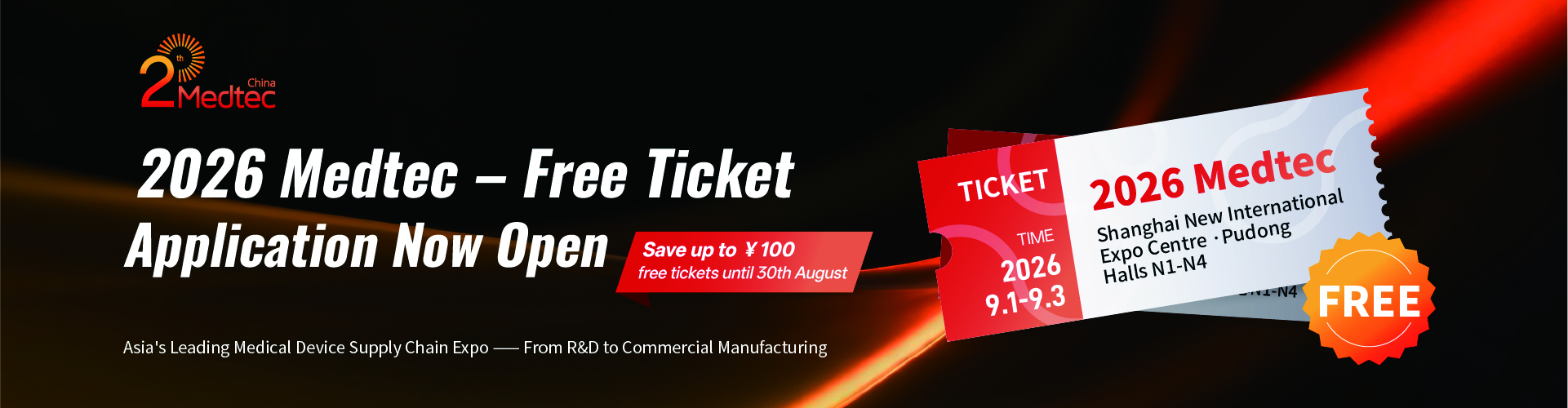
If you want more than booth conversations and product brochures, a well-planned visit to the Medtec China exhibition can become a much stronger sourcing trip. Positioned as a medical device design and manufacturing expo, Medtec China brings together suppliers, component makers, contract manufacturers, service providers, and technical specialists across the medical device supply chain. The event takes place September 1 to 3, 2026 at Shanghai New International Expo Centre in Pudong. Visitor badge applications open from April 1, 2026, and early registration completed before August 30th is free. If your team wants to compare suppliers more deeply, validate capabilities faster, and make better decisions from one business trip, now is the right time to map your route, plan your follow-up visits, and attend 2026 Medtec China with a broader supply chain strategy in mind.
Why extending the trip adds real value
A trade show is excellent for discovery. It helps you see many suppliers in one place, compare categories quickly, and spot new possibilities. But it is still a controlled environment. Booths are designed to present a supplier at its best.
A supply chain tour adds the missing layer: context.
When you extend your trip beyond the expo, you can:
- see how suppliers actually operate
- compare multiple vendors in a more practical way
- assess regional strengths by manufacturing focus
- hold deeper conversations away from the noise of the show floor
- turn early interest into more reliable evaluation
For sourcing teams and procurement leaders, that means less guesswork after the trip. For operations managers, it means a better view of execution, scale, and process discipline.
What a full supply chain tour can help you answer
A combined expo and off-site trip can answer questions that a booth meeting often cannot, such as:
- How mature is this supplier’s operation?
- Can this company support both prototype and production volumes?
- How organized is the team beyond the sales contact?
- Does the regional ecosystem support the capabilities we need?
- Is this a realistic long-term partner or just an interesting lead?
Those answers can save weeks of follow-up and reduce the risk of moving weak-fit suppliers too far forward.
How to choose which suppliers or regions to visit
Not every exhibitor deserves an off-site visit. The goal is to stay selective.
Start with business priorities, not curiosity
First, define what matters most for this trip. For example:
- finding backup suppliers in a critical category
- qualifying new partners for an active project
- comparing regional manufacturing options
- exploring future sourcing for a planned product line
This helps you focus on suppliers tied to real needs instead of filling the schedule with low-value visits.
Build a shortlist before the show
Use your pre-show research to identify likely candidates for deeper meetings. A practical shortlist often includes:
- current target suppliers you already know
- exhibitors in high-priority component categories
- companies with capabilities that are hard to source
- suppliers located close enough for efficient follow-up travel
You do not need a long list. In most cases, 3 to 6 serious off-site targets are enough for one trip.
Think in supplier clusters, not isolated names
A good supply chain tour often works better when visits are grouped by area or capability. That reduces travel friction and makes supplier comparison easier.
Use a reliable Shanghai expo travel guide to help plan practical routing, travel time, and meeting combinations around the expo schedule.
How to structure a mixed expo and off-site schedule
The best trips balance discovery at the event with focused follow-up outside it. If you overload either side, the value drops.
A simple four-part trip structure
1. Pre-show arrival day
Arrive early enough to settle in and prepare. Use that time to:
- confirm appointments
- review exhibitor priorities
- finalize your supplier questions
- align roles if traveling with a team
This makes day one far more productive.
2. Expo discovery days
Use the first part of the event to scan, compare, and filter. This is when you should:
- meet pre-booked suppliers
- explore priority categories
- identify unexpected high-fit exhibitors
- narrow your off-site shortlist
Treat the show floor as your screening stage, not your final decision stage.
3. Post-show supplier visit days
After the expo, move into deeper evaluation. Use these days for:
- factory or office visits
- technical review meetings
- commercial follow-up discussions
- regional sourcing comparisons
This is where you test whether strong booth conversations hold up in a working environment.
4. Final review and wrap-up
Before leaving Shanghai, schedule time to review what you learned. A short internal debrief can help your team:
- rank suppliers by fit
- identify follow-up actions
- assign next-step owners
- eliminate low-value leads
That step keeps the trip from ending as a pile of notes.
What to prepare before traveling
A successful supply chain tour depends on planning before you get on the plane.
Prepare one clear evaluation framework
Your team should know what “good” looks like before meetings begin. Create a short scorecard based on factors such as:
- technical capability
- quality maturity
- communication
- production scale
- documentation readiness
- commercial fit
This makes it easier to compare suppliers fairly across both expo meetings and site visits.
Pre-book the right off-site meetings
Do not wait until the last minute to ask for visits. Suppliers with real value may already have packed schedules during expo week.
Before travel, try to secure:
- one or two firm post-show meetings
- a few flexible slots for suppliers identified during the event
- clear contact names and locations
- backup plans in case a visit changes
Prepare role-specific questions
If your team includes procurement, engineering, quality, or operations, divide question ownership in advance.
For example:
Procurement
- pricing structure
- lead times
- minimum order quantities
- contract flexibility
Engineering
- process capability
- tolerance control
- customization support
- prototyping options
Quality
- traceability
- change control
- inspection practices
- documentation support
Operations
- capacity
- scale-up readiness
- delivery stability
- process consistency
That split gives each meeting more depth without wasting time.
How to turn one trip into stronger supplier evaluation
The value of a supply chain tour is not just in seeing more. It is in learning better.
Compare claims against reality
At the expo, suppliers tell you what they can do. Off-site visits help you see how they do it.
During deeper meetings, look for signs such as:
- organized communication
- realistic answers from technical staff
- clear process ownership
- confidence without overpromising
- readiness to support next steps
You are not looking for perfection. You are looking for credibility.
Capture findings right away
Do not rely on memory. After each meeting or visit, note:
- strongest capability
- biggest concern
- best-fit project type
- urgency level
- recommended next step
A few clear notes recorded immediately are more useful than a long recap written later.
Use the trip to reduce your shortlist
A strong trip should narrow options, not expand them endlessly.
By the end of the visit, your team should be able to separate suppliers into groups such as:
- move forward now
- keep warm for later
- no fit at this stage
That is how one trip becomes a decision tool instead of just a research exercise.
Practical planning tips for a smoother tour
A few simple habits can make the trip easier and more productive:
- leave buffer time between meetings
- avoid scheduling too many off-site visits in one day
- confirm addresses and contacts in advance
- keep digital and written meeting notes
- review priorities each evening
- stay flexible for strong new opportunities discovered at the expo
It also helps to remember that travel efficiency matters. A shorter list of well-matched visits usually delivers more value than a packed schedule with no breathing room.
When extending the trip makes the most sense
A longer sourcing trip is especially useful when:
- you are qualifying new suppliers for active business needs
- your team needs both market overview and deeper validation
- several target suppliers are located within practical travel range
- internal stakeholders want faster confidence in supplier selection
- travel budgets favor doing more in one trip rather than multiple smaller visits
In those cases, combining expo attendance with off-site meetings can improve both speed and decision quality.
Conclusion
Extending your Shanghai medical expo trip into a full supply chain tour is one of the smartest ways to get more value from the time and budget you already plan to spend. The expo helps you discover and screen. Off-site visits help you validate and compare. Together, they give sourcing teams, procurement leaders, operations managers, and international visitors a far stronger view of supplier fit.
The best approach is simple: start with business priorities, build a short supplier shortlist, structure the trip in stages, prepare a clear evaluation framework, and use each meeting to reduce uncertainty. When you do that, one Shanghai trip can move your sourcing strategy much further than the expo alone.