
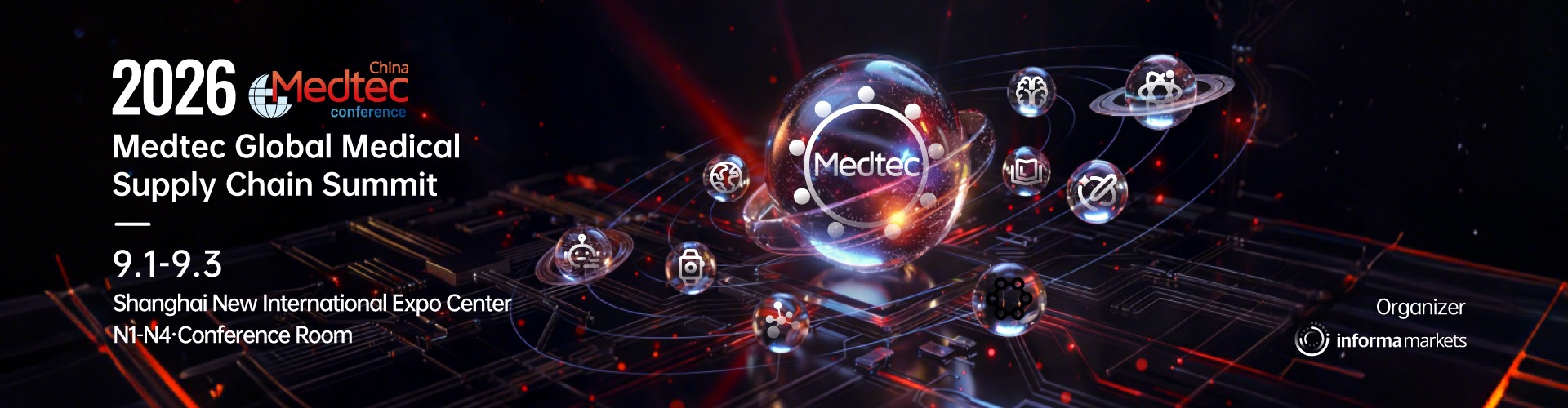
If your team is heading to the Medtec China exhibition, the biggest risk is not a lack of suppliers. It is wasting time on the wrong conversations. Medtec is a specialized medical device R&D and manufacturing exhibition that brings together materials providers, component suppliers, contract manufacturers, automation firms, quality partners, and regulatory service providers across the medical supply chain. The 2026 event takes place September 1–3, 2026, at SNIEC N1–N4 in Shanghai. Visitors can pre-register for free before August 30, while onsite entry is paid. If you want more qualified supplier leads, better internal alignment, and stronger follow-up after the Shanghai medical expo, plan your team structure early and attend 2026 Medtec China with a clear division of roles.
A solo visitor can collect contacts. A multi-disciplinary team can build a real sourcing advantage.
That is the difference this post will help you create. Below, you’ll see how to assign roles, split booth coverage, run fast daily debriefs, use one shared scorecard, and turn three expo days into a stronger sourcing pipeline.
Why a Multi-Disciplinary Team Outperforms a Solo Visitor
Medical device sourcing decisions are rarely made by procurement alone. A supplier may look strong on price, then fail on process control. Another may impress engineering, but raise concerns for quality. A third may seem perfect until operations reviews scale and lead time risk.
That is why cross-functional attendance matters.
With the right team, you can evaluate suppliers from multiple angles at once:
- Procurement tests pricing logic, MOQs, lead times, and commercial flexibility
- Engineering reviews technical fit, materials, tolerances, and process capability
- Quality checks traceability, documentation, inspection methods, and change control
- Operations looks at scale, capacity, automation, and delivery reliability
- Leadership connects supplier options to broader growth or risk strategy
Takeaway: The expo becomes far more useful when each supplier is reviewed through the same lens your company uses to make real buying decisions.
Start With One Clear Team Mission
Before you assign people to halls or booths, align on the reason you are attending.
Define the business outcome first
Your team should agree on the main goal before anyone boards a plane. That goal might be:
- Build a shortlist of new suppliers
- Benchmark current suppliers against the market
- Find backup sources in critical categories
- Explore automation or OEM/ODM partners
- Support an upcoming product launch or scale-up plan
A vague goal creates vague booth visits. A clear goal creates useful conversations.
Set “must-learn” questions in advance
Good teams do not just ask, “Who should we meet?” They ask, “What must we learn by the end of day three?”
Examples include:
- Which suppliers can support our next 12 months of demand?
- Which partners appear strongest in documentation and traceability?
- Where do we have supply risk because backup options are thin?
- Which exhibitors deserve a factory visit or RFQ after the show?
Takeaway: One shared mission prevents the team from drifting into random browsing.
Assign Roles Across Functions Before the Show
The smartest teams do not send five people to ask the same questions. They assign each person a role.
Procurement: own the commercial view
Procurement should lead on supplier fit from a sourcing and negotiation angle.
Key focus areas:
- Pricing structure
- Minimum order quantities
- Lead times
- Payment terms
- Supply continuity
- Export experience
Procurement should also own the master supplier shortlist and next-step tracking.
Engineering: validate technical fit
Engineering should focus on whether the supplier can actually support the product.
Key focus areas:
- Material compatibility
- Tolerance capability
- Process maturity
- Prototype to production support
- Design-for-manufacture input
- Handling of complex assemblies
Engineering often catches problems that look small on the booth floor but become expensive later.
Quality: test process discipline
Quality should go beyond certificates and ask how the supplier operates day to day.
Key focus areas:
- Traceability
- Inspection methods
- Documentation control
- Nonconformance handling
- Change notification
- Medical device experience
This helps separate polished sales language from true operational maturity.
Operations: assess scale and execution
Operations should look at what happens after the order is placed.
Key focus areas:
- Capacity
- Production flow
- Automation level
- Throughput potential
- Delivery stability
- Ability to scale without disruption
A technically capable supplier is not enough if execution is weak.
Leadership: connect supplier choices to strategy
Leadership does not need to attend every meeting. But when present, they can assess broader fit.
Key focus areas:
- Long-term partnership potential
- Regional supply strategy
- Strategic risk reduction
- Innovation value
- Investment signals
Takeaway: Clear role ownership prevents overlap and improves the quality of each conversation.
How to Split Booth Coverage Intelligently
Most teams waste time because they split coverage by hall only. That is too simple.
Divide by category and priority
A better plan is to map suppliers into tiers before the show:
- Tier 1: Must-meet suppliers tied to immediate projects
- Tier 2: Strong candidates worth deeper review
- Tier 3: Discovery booths if time allows
Then assign coverage based on business need, not walking distance alone.
For example:
- Procurement + engineering attend Tier 1 manufacturing meetings together
- Quality joins booths where documentation risk matters most
- Operations focuses on automation, OEM/ODM, and scale-related suppliers
- Leadership joins only the highest-value strategic meetings
Use paired visits for top suppliers
Do not send the full team to every booth. That slows things down.
Instead, pair functions based on the supplier type:
- Procurement + engineering for technical sourcing
- Procurement + quality for qualification-sensitive suppliers
- Operations + engineering for manufacturing or automation partners
This gives you depth without crowding each conversation.
Build in coverage gaps on purpose
Do not schedule every minute. Leave open blocks for:
- Re-visits to promising suppliers
- Surprise discoveries
- Meeting overruns
- Quick internal regrouping
If you only remember one thing: a packed schedule is not the same as a productive one.
Use Shared Scoring Criteria So Everyone Evaluates the Same Way
Different functions will notice different strengths. That is useful. But only if you compare suppliers using one system.
Create a simple shared scorecard
After each meaningful booth visit, score suppliers on a 1–5 scale across criteria such as:
- Technical fit
- Quality confidence
- Commercial fit
- Capacity and scale potential
- Communication clarity
- Strategic relevance
Add one final field: next action required.
That could be:
- Request RFQ
- Set technical follow-up call
- Ask for documentation
- Schedule factory visit
- No follow-up
Keep scoring fast and practical
Do not build a complicated form no one will use. A strong expo scorecard should be:
- Easy to complete in 2 minutes
- Consistent across roles
- Clear enough to guide post-show action
Takeaway: Shared scoring turns opinions into a pipeline.
Run Daily Debriefs While the Information Is Fresh
Teams lose value when they wait until after the event to compare notes. By then, details blur.
Hold a short end-of-day debrief
A 20- to 30-minute daily session is usually enough.
Cover:
- Top suppliers found today
- Biggest surprises
- Red flags
- Which suppliers move up in priority
- Which meetings need a second visit tomorrow
- Where schedule changes are needed
Ask each function the same three questions
At the end of each day, ask:
- Which supplier impressed you most, and why?
- Which supplier raised concern, and why?
- What do we need to verify tomorrow?
This keeps the team aligned and helps sharpen day-two and day-three priorities.
Takeaway: Daily debriefs stop good leads from getting buried under expo fatigue.
Turn the Team Visit Into a Stronger Sourcing Pipeline
The show is only the beginning. Value comes from what happens after.
Consolidate findings within 48 hours
Right after the event:
- Merge all scorecards
- Remove duplicates
- Rank suppliers by follow-up priority
- Assign owners for each next step
Do this fast. Supplier momentum fades when follow-up waits a week or more.
Separate contacts into clear pipeline stages
A practical post-show pipeline might include:
- Stage 1: High-priority qualification
- Stage 2: Technical review pending
- Stage 3: Backup supplier monitoring
- Stage 4: Future opportunity, no current action
This makes it easier to turn expo activity into measurable sourcing progress.
Track outcomes, not just meetings
Measure the visit by results such as:
- Qualified suppliers added
- RFQs launched
- Factory visits scheduled
- Cost or risk-reduction opportunities identified
- New category coverage gained
Takeaway: A team visit pays off when supplier conversations become structured next steps.
Common Mistakes to Avoid
Before you finalize your plan, avoid these common errors:
- Sending multiple people without clear role ownership
- Visiting booths with no agreed objective
- Letting each function take notes in a different format
- Overloading day one and losing energy by day two
- Failing to rank suppliers until after returning home
- Treating every contact as equally important
A little structure prevents a lot of wasted time.
Conclusion
A multi-disciplinary team can get far more from Medtec Shanghai than any solo attendee. When procurement, engineering, quality, operations, and leadership each own part of the evaluation, your company can cover more ground, compare suppliers more accurately, and move faster after the show. Build your plan before you arrive, use shared scoring during the event, and turn daily booth visits into a real sourcing pipeline once the show ends.
Your next step is simple: build your team, assign clear roles, and enter the event with one scoring system and one shared goal.