
The journey from a medical device prototype to commercial production involves much more than creating a functional design. Material selection, manufacturing accuracy, process stability, and production scalability all influence whether an innovative concept can become a reliable medical product.
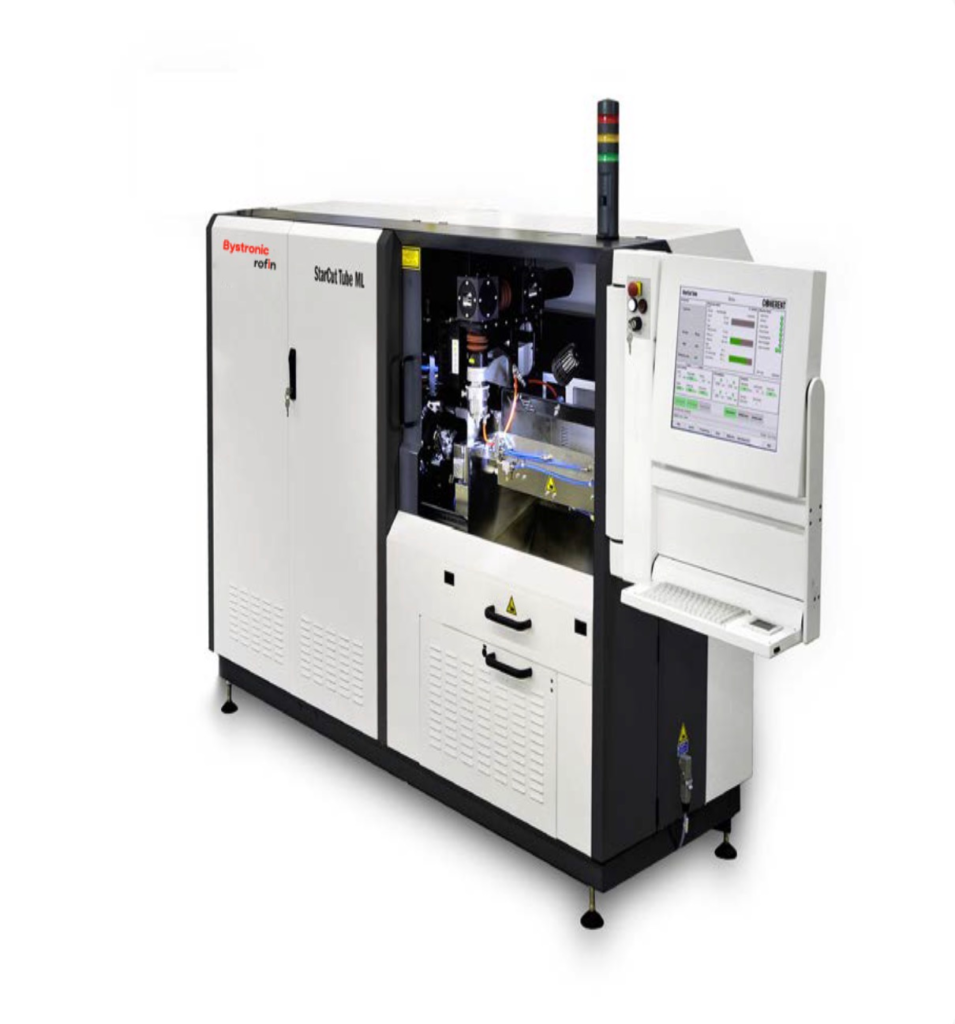
In recent years, 3D printing and precision manufacturing technologies have become increasingly important in medical device development. Additive manufacturing enables complex structures and rapid design iterations, while advanced machining and processing technologies support the production of high-precision components required for medical applications.
For companies evaluating manufacturing resources in China, understanding the connection between prototype development and production capability is essential. Medtec China focuses on the upstream medical device supply chain, covering areas such as materials, components, precision manufacturing, processing technologies, and production services. As a professional medical device design and manufacturing expo, we highlight the technologies and expertise involved in different stages of medical product development, helping international R&D teams, engineers, OEMs, and procurement professionals gain insights into China’s medical manufacturing capabilities.
Moving Beyond Prototypes: The Challenge of Medical Manufacturing Transition
A prototype demonstrates whether a concept can work, but commercial production requires a different level of reliability. Medical devices must meet strict requirements for consistency, performance, and manufacturing control.
During the prototype stage, engineers often focus on function and design validation. However, when a product moves toward mass production, additional factors become critical, including production repeatability, material availability, process efficiency, and quality inspection.
This transition creates challenges for many medical device developers. A design that performs well in a laboratory environment may require adjustments before entering a stable manufacturing process. Manufacturing partners with experience in medical applications can provide feedback on design feasibility and production optimization.
The ability to connect development-stage requirements with manufacturing capabilities has become an important factor in selecting technology partners.
3D Printing Opens New Possibilities for Medical Device Development
Additive manufacturing has changed the traditional approach to medical component production by allowing manufacturers to create complex geometries directly from digital designs. Compared with conventional manufacturing methods, 3D printing offers greater flexibility during early development stages.
For medical device applications, this technology can support rapid prototyping, customized structures, and design verification. Complex shapes that are difficult to produce through traditional methods may become more achievable through additive manufacturing processes.
However, moving from a printed prototype to a production-ready component requires careful evaluation. Material performance, surface quality, dimensional accuracy, and repeatability all influence the suitability of 3D printing for medical applications.
Different medical products also require different manufacturing considerations. Components used for surgical tools, diagnostic equipment, implants, or laboratory devices may involve different material and performance requirements.
Therefore, the value of 3D printing is not only measured by how quickly a prototype can be produced but also by how effectively the technology supports later production stages.
Precision Manufacturing Supports Reliable Medical Components
While 3D printing provides flexibility, precision manufacturing remains essential for many medical device components. Technologies such as high-precision machining, laser processing, molding, and specialized surface treatments contribute to the production of parts with strict dimensional requirements.
Medical components often require extremely controlled manufacturing conditions. Small variations in size, shape, or surface characteristics may influence assembly performance and device reliability.
Precision manufacturing is especially important for components used in diagnostic systems, minimally invasive devices, and other applications where accuracy directly affects product performance.
In addition to equipment capability, production experience plays an important role. Manufacturers need to understand how different materials behave during processing and how manufacturing methods influence final component quality.
Combining Digital Design With Advanced Production Methods
The future of medical manufacturing is increasingly based on the combination of digital design tools and advanced production technologies. 3D printing, precision machining, automation, and quality inspection systems are becoming interconnected parts of modern manufacturing workflows.
Digital design allows engineers to evaluate product concepts more efficiently, while advanced manufacturing technologies help transform those concepts into physical components.
However, successful integration requires cooperation between design teams and manufacturing specialists. Production limitations, material characteristics, and process requirements need to be considered during the early stages of development rather than after the design is finalized.
This approach can reduce unnecessary redesign work and improve the efficiency of product development.
Evaluating Manufacturing Partners in China
China has developed a broad medical manufacturing ecosystem that includes raw materials, precision components, processing equipment, contract manufacturing services, and production technologies. The country’s manufacturing capabilities now extend beyond large-scale production toward more specialized and technology-focused solutions.
For medical device companies, supplier evaluation involves more than checking equipment lists or production capacity. Important considerations include engineering experience, quality management systems, customization ability, and familiarity with medical industry requirements.
A suitable manufacturing partner should be able to support different development stages, from prototype refinement to commercial production. The ability to provide technical communication during design adjustments can also influence project efficiency.
As medical devices become more complex, cooperation between developers and manufacturers is becoming increasingly important.
Technologies Worth Exploring at Medtec China
Medtec China provides a concentrated view of technologies supporting medical device design and manufacturing. The exhibition covers areas including precision manufacturing, additive manufacturing, materials, components, automation solutions, and other production technologies.
For professionals researching 3D printing and precision manufacturing solutions, the event offers insight into current industry approaches and supplier capabilities. Discussions around manufacturing processes, materials, and production challenges can help clarify how different technologies fit specific product requirements.
Unlike exhibitions focused mainly on finished medical products, Medtec China emphasizes the upstream resources behind medical device development, connecting R&D, engineering, manufacturing, and supply chain professionals.
From Digital Models to Manufacturing Reality
The success of a medical device depends on the ability to transform innovative concepts into stable production processes. 3D printing provides flexibility during design and prototyping, while precision manufacturing technologies support the accuracy and reliability required for commercial products.
The combination of advanced manufacturing methods, engineering expertise, and supplier cooperation creates a stronger foundation for medical device development.
Through platforms such as Medtec China, industry professionals can gain a broader understanding of manufacturing technologies and explore solutions that connect prototype development with real-world production requirements. As a specialized medical device design and manufacturing expo, the event reflects the evolving relationship between innovation, engineering, and medical manufacturing.