
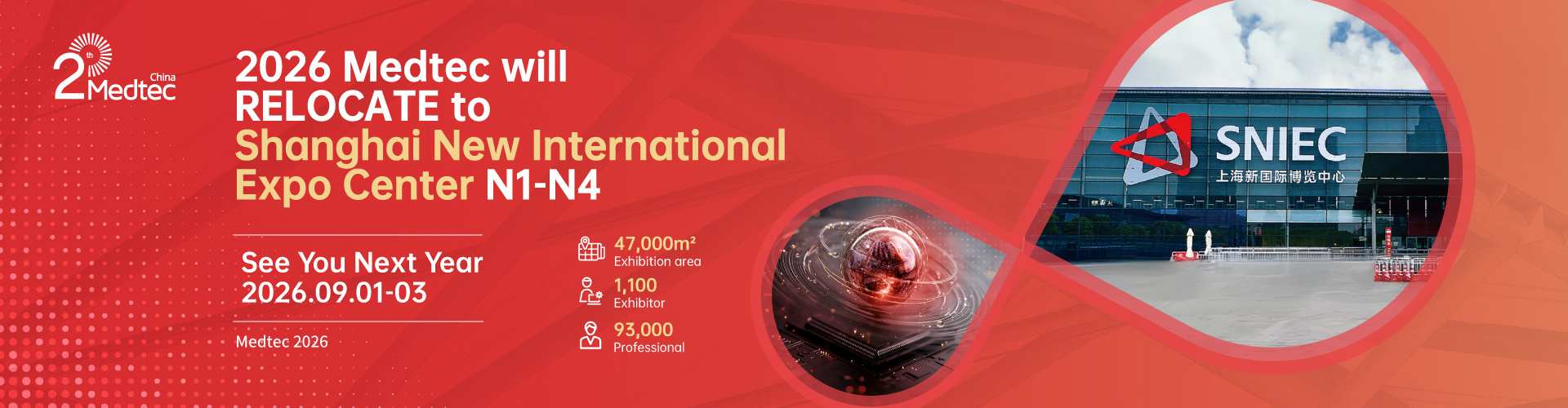
A trade show can show you what a supplier says it can do. A factory visit shows you how that capability works in real life. If you are planning your trip around the Medtec China expo, it makes sense to think beyond the exhibition hall. Positioned as a medical device design and manufacturing expo, Medtec China brings together suppliers, manufacturers, materials providers, and service partners across the medical device supply chain. The event takes place September 1 to 3, 2026 at Shanghai New International Expo Centre in Pudong. Visitor badge applications open from April 1, 2026, and early registration completed before August 30th is free. If you want to turn one business trip into stronger supplier validation, sharper sourcing decisions, and better post-show follow-up, now is a smart time to plan your route and visit Medtec China exhibition.
In this guide, you’ll learn:
- when factory visits are worth adding
- how to schedule them around the expo
- what to prepare before you go
- what to look for once you are on-site
Why Factory Visits Add Value Beyond the Expo
The expo is the best place to scan the market fast. A site visit is the best place to test what looks promising.
That difference matters for procurement teams, sourcing managers, and operations leaders. A booth conversation may confirm that a supplier belongs on your shortlist. A factory visit helps confirm whether they belong in your next qualification step.
What a factory visit can reveal
On-site visits often help you assess things that are hard to judge on the show floor, such as:
- process discipline
- production flow
- cleanliness and organization
- team communication
- equipment condition
- quality control habits
A supplier may have a polished booth and a strong presentation. But if the operation feels disorganized, that should affect your view.
Mini takeaway: The expo helps you find candidates. The factory visit helps you judge credibility.
When Factory Visits Make Sense
Not every exhibitor deserves a site visit. The goal is to stay selective and practical.
Visit when the supplier matches an active need
A factory visit makes the most sense when a supplier supports a live sourcing priority. That may include:
- a current RFQ
- a second-source search
- a supplier replacement project
- a new product launch need
- a critical component category
If the supplier only looks broadly interesting, an on-site visit may be too early.
Visit when the next decision depends on proof
Some supplier decisions need more than brochures, samples, or sales claims. If your team needs confidence in scale, quality, or process maturity, a visit becomes more useful.
Good triggers for a site visit include:
- unclear answers at the booth
- high-risk or regulated components
- complex manufacturing processes
- long-term partnership potential
Skip visits that add travel but not clarity
If you are wondering whether every promising booth should turn into a tour, the answer is no. Visits should reduce uncertainty. If they will not change your next decision, save the time.
Mini takeaway: Visit only when seeing the operation will improve the quality of your decision.
How to Fit Factory Visits Around the Event Schedule
A common mistake is trying to do too much during the main show days. That usually leads to rushed meetings and weak notes.
The best timing options
Most visitors get better results with one of these approaches:
Before the expo
Use pre-show visits if:
- you already know the supplier is high priority
- you want context before walking the floor
- your schedule allows early arrival
This works well when you have existing contacts and want a deeper starting point.
After the expo
This is often the strongest option. During the event, you can screen suppliers first. Then you can visit only the best-fit candidates after the show.
This approach helps you:
- narrow your shortlist
- avoid low-value trips
- use the expo as a filter
During the expo, but only selectively
Mid-show visits can work if the supplier is nearby and strategically important. But use this option carefully. Pulling yourself off the floor too often can reduce the value of the event itself.
A simple scheduling model
For many teams attending shanghai medical expo 2026, the most practical plan looks like this:
- Day 1–2: scan priority exhibitors and hold key meetings
- Day 3: revisit top suppliers and confirm off-site interest
- Day 4–5: conduct factory visits with shortlisted companies
That structure keeps the expo focused and the site visits purposeful.
Mini takeaway: Let the expo narrow your list before you commit extra travel time.
What to Prepare Before Visiting a Factory
A site visit is only useful if your team arrives with clear goals. Otherwise, you risk taking a tour without learning much.
Define what you need to validate
Before the visit, agree on the questions that matter most. These may relate to:
- quality systems
- production capacity
- process capability
- documentation readiness
- supply continuity
- communication and management
Each visitor should know what they are there to assess.
Build a simple visit checklist
A short checklist keeps the visit grounded. Include items such as:
- products or processes to review
- questions for production and quality staff
- evidence you want to see
- concerns raised during the expo meeting
- next-step criteria after the visit
This helps your team compare suppliers more fairly later.
Confirm logistics in advance
Do not leave practical details to the last minute. Confirm:
- exact location
- meeting time and agenda
- primary contact
- who from your side will attend
- whether translation support is needed
- how long the visit should last
Good logistics protect the business value of the meeting.
Mini takeaway: Preparation turns a factory tour into a supplier evaluation.
What to Observe During the Site Visit
Once you are on-site, look beyond the presentation. The real value often sits in what you notice between formal explanations.
Watch the operation, not just the slide deck
Pay attention to the basics:
- how organized the floor looks
- whether materials and work-in-process are clearly controlled
- how employees appear to follow procedures
- whether equipment looks maintained and in active use
- how quality checks fit into the flow
You are not looking for perfection. You are looking for discipline and consistency.
Ask practical questions on the floor
Good site-visit questions include:
- How do you control variation in this process?
- What happens when a nonconformance appears?
- How do you manage change control?
- What is your typical lead time under current load?
- How do you scale from sample to production?
Specific questions usually reveal more than general presentations.
Observe communication and ownership
Strong suppliers often show alignment across sales, production, and quality teams. If answers conflict or responsibilities seem unclear, note that.
Useful signals include:
- direct and consistent answers
- realistic claims
- willingness to show process details
- clear ownership of follow-up
Mini takeaway: The best site visits show how the supplier works when the script runs out.
How to Compare Factory Visit Insights With Expo Impressions
This is where the real sourcing value appears. After the visit, compare what you saw with what you heard at the booth.
Use the same criteria for both
Score suppliers on a few shared categories, such as:
- technical fit
- quality maturity
- communication
- scale potential
- trustworthiness of claims
This makes it easier to compare a strong expo impression against real operational evidence.
Look for alignment or gaps
Ask:
- Did the factory match the booth presentation?
- Did the team answer on-site questions more clearly or less clearly?
- Did the visit increase confidence or create new concerns?
- Does this supplier still deserve next-step time?
Sometimes a visit confirms a strong lead. Sometimes it saves you from moving the wrong supplier forward.
Document your view quickly
Within 24 hours, write down:
- strongest positive signal
- biggest risk or concern
- recommended next step
- internal owner for follow-up
That keeps the visit useful while details are still fresh.
Mini takeaway: A site visit matters most when it changes or strengthens your decision.
Common Mistakes to Avoid
A few planning mistakes can reduce the value of factory visits fast.
Avoid these:
- visiting too many suppliers in one trip
- scheduling visits before the expo has narrowed the field
- arriving without a checklist
- focusing only on hospitality instead of operations
- failing to document findings right away
The best visits are focused, selective, and tied to a real business need.
Conclusion
Factory visits near Shanghai can make your expo trip far more valuable when they are planned with purpose. The event helps you identify promising suppliers. The site visit helps you validate whether those suppliers can support real sourcing, quality, and production goals. Keep your timing smart, prepare a simple evaluation checklist, observe the operation closely, and compare what you see against what you heard on the show floor.
This week, choose your top supplier categories, define your visit criteria, and build a shortlist of companies worth seeing after the expo. That small step can turn one event trip into a much stronger supplier decision process.