
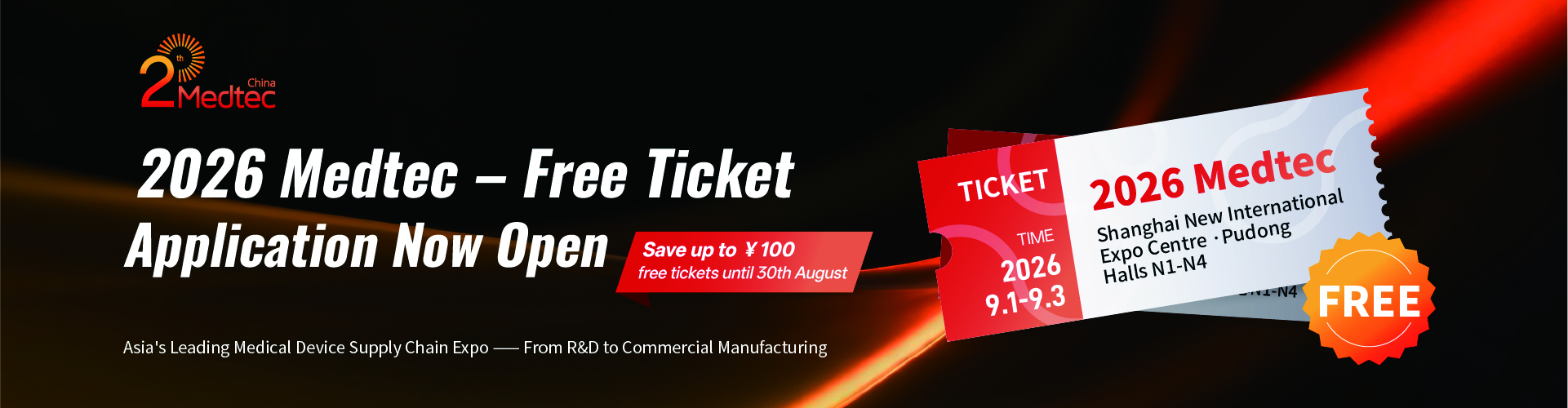
Navigating a massive exhibition floor requires more than just a good pair of walking shoes and a printed map. The upcoming 2026 Medtec China exhibition stands as Asia’s leading platform dedicated specifically to medical device R&D and manufacturing. Taking place from September 1 to 3, 2026, at the SNIEC (Pudong) N1-N4 in Shanghai, this event brings together 1,100 specialized exhibitors and 93,000 industry professionals. You will find nine distinct product themes spanning everything from advanced ceramic materials and high-end active medical equipment to smart factory automation. Visitor pre-registration is completely free before August 30th, saving you the ¥100 onsite ticket fee. To optimize your sourcing strategy and connect with top-tier global suppliers, attend 2026 Medtec China this September.
When you attend a comprehensive medical device design and manufacturing trade show, the sheer volume of information can easily overwhelm even the most seasoned procurement teams. Relying on paper catalogs and handwritten notes slows down your progress and leads to missed opportunities. Modern supply chain professionals use specialized digital tools to map their routes, manage contacts, and evaluate manufacturers efficiently. We have compiled a guide to the essential software and applications you need to load onto your devices before you walk through the venue doors.
Smart Matchmaking and Floor Plan Applications
Before you board your flight, you should download the official event application. These mobile tools offer interactive floor plans that let you pin the specific supplier booths you must visit. Instead of wandering aimlessly through 47,000 square meters of exhibition space, you can group your vendor meetings geographically. For example, you can schedule all your precision laser processing and metallic raw material meetings in Halls N1 and N2 for the first day, leaving the second day for smart factory automation in Hall N3.
Many modern trade show apps also feature intelligent matchmaking algorithms. You enter your specific sourcing gaps—such as IVD filtration solutions or cleanroom packaging technologies—and the system recommends highly relevant suppliers. This targeted approach helps you discover specialized manufacturers you might have otherwise walked right past.
Digital Contact and Lead Management Systems
You will likely speak with dozens of application engineers, facility managers, and regulatory consultants every single day. Collecting paper business cards almost always leads to lost information and delayed follow-ups. Instead, equip your procurement and R&D teams with digital business card scanners and lead retrieval apps.
These tools use optical character recognition to instantly capture contact details. The best applications sync this data directly to your company’s customer relationship management (CRM) software. We highly recommend adding quick voice notes or text tags to each scanned profile immediately after leaving the booth. Recording that a specific vendor offers flexible minimum order quantities for orthopedic implants ensures you remember those crucial details when you review your sourcing notes three weeks later.
Real-Time Translation and Local Communication
The Medtec China show attracts a massive, diverse, and international crowd. While many exhibitors have English-speaking representatives, having a reliable translation app on your smartphone removes any lingering communication barriers. Tools that can translate spoken technical jargon in real time help you accurately discuss complex topics like ISO 13485 compliance, sterilization validation, or electronic drive control systems.
Additionally, you must download widely used local communication apps like WeChat before you arrive in Shanghai. Most Chinese component manufacturers and OEM partners use this platform as their primary business communication tool. Vendors use it to share heavy PDF product catalogs, send immediate pricing estimates, and arrange private follow-up meetings outside of regular exhibition hours.
Cloud Storage and Secure Data Exchange
You need to show potential contract manufacturing partners your exact technical requirements to get an accurate capability assessment. Carrying heavy printed schematics poses a massive security risk and slows you down. Secure cloud storage applications allow you to pull up non-disclosure agreements, CAD files, and material specifications instantly on a tablet.
Once a vendor signs a digital non-disclosure agreement on your device, you can grant them temporary access to a secure digital folder containing your 3D models. This immediate, paperless exchange of technical data speeds up the vendor vetting process significantly. It allows the supplier’s engineering team to evaluate your project for design-for-manufacturability right there on the show floor.
Collaborative Note-Taking Platforms
When you send a multi-disciplinary team to an expo, everyone needs to stay aligned. Cloud-based collaborative workspaces let your quality manager, procurement director, and lead engineer share their findings in real time. If your R&D lead discovers a breakthrough biocompatible adhesive in Hall N2, they can upload a photo and a spec sheet to a shared database. Your procurement manager, currently in Hall N4, can see that update instantly and head over to negotiate pricing.
Integrating these digital tools into your exhibition strategy changes how you work. You move faster, capture highly accurate technical data, and follow up with much greater precision. A well-planned, tech-enabled visit helps you identify the best manufacturing partners, source the highest quality components, and build a resilient medical device supply chain. Prepare your devices, define your sourcing goals, and step onto the exhibition floor ready to build the future of healthcare.