
When a medical device product moves from an initial concept toward commercialization, supplier selection becomes part of the product development process. Product teams may need to compare polymers for a new component, identify a precision component manufacturer, or find a production partner capable of supporting the next stage of manufacturing. Looking at each supplier separately, however, can make it difficult to understand how materials, components, and manufacturing services fit together.
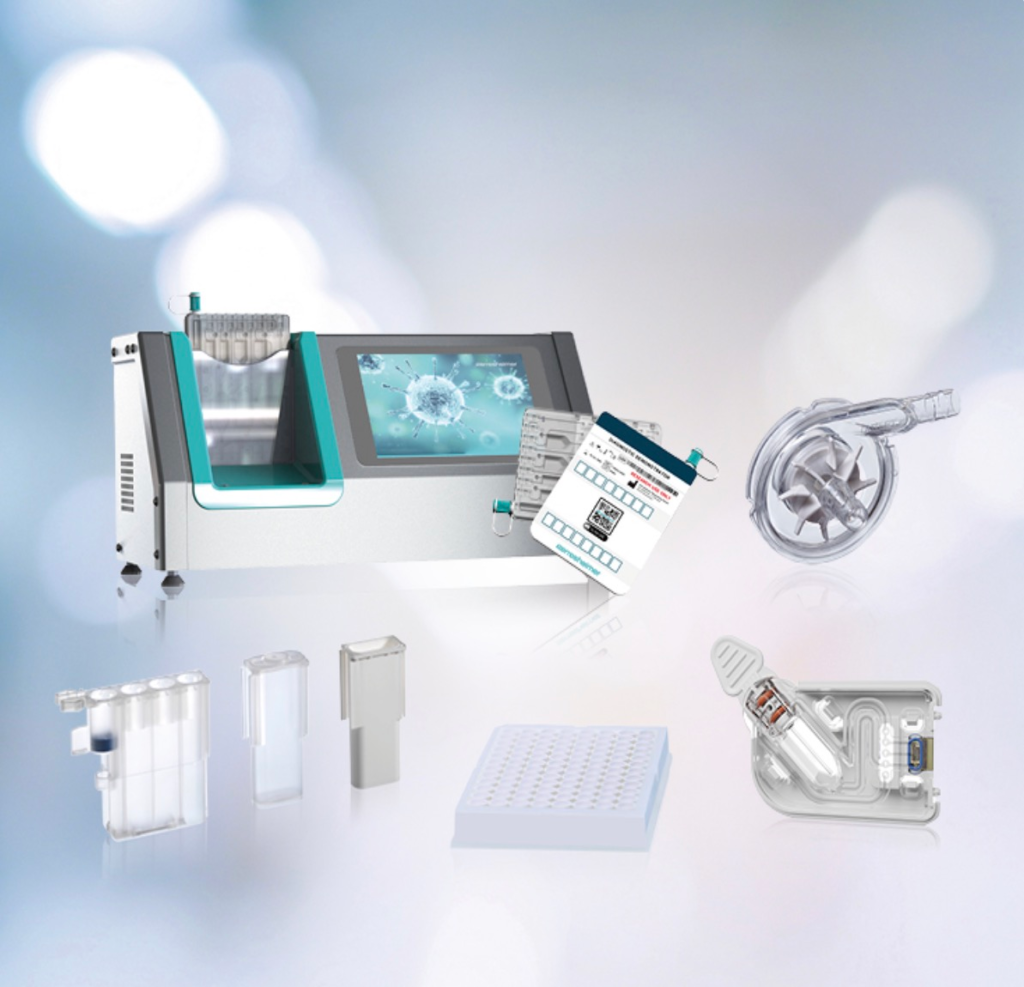
At Medtec China, we bring these areas into one professional environment. Our exhibition connects medical device companies with suppliers and technology providers across the manufacturing supply chain. For product teams preparing to attend a China medical trade show, this creates an opportunity to compare potential solutions through direct conversations rather than relying only on online research or product brochures.
As a professional medical device design and manufacturing supply chain exhibition, we focus on areas including medical materials, precision components, production technologies, and manufacturing solutions, helping international product teams explore the resources and expertise involved in medical device development.
Turn a Product Requirement Into a Supplier Checklist
The most useful supplier comparison starts with the product itself. Before visiting the exhibition, a product team can translate its current development requirements into several practical questions.
Does the device require a flexible or rigid polymer? Does a component need tight dimensional tolerances? Is the project still at the prototype stage, or is the team already preparing for volume production? Will the supplier need to provide engineering support or customized manufacturing?
These questions create a more useful framework for exhibition research. Instead of asking whether a company offers a certain product, teams can ask whether that company can solve a specific manufacturing problem.
At Medtec China, we encourage visitors to approach supplier conversations from this perspective. A clear project requirement often leads to more meaningful discussions and makes later comparisons easier.
Compare Polymers by Application, Not Just Specification
Polymers can influence the performance, manufacturability, and service life of medical devices. Yet comparing materials solely through specification sheets may not provide enough information for a product team.
Examine the Properties That Affect the Device
Depending on the application, teams may need to consider flexibility, strength, chemical resistance, transparency, temperature performance, sterilization compatibility, or biocompatibility.
A material that looks suitable on paper may not necessarily be the easiest option for the intended manufacturing process. Processing characteristics can affect molding, extrusion, bonding, or other production methods.
At our exhibition, product teams can discuss these considerations directly with material and manufacturing specialists and gain a broader understanding of how material selection relates to production.
Ask What Happens After Material Selection
Material selection should not end with identifying a polymer grade. Teams should also consider whether the supplier can provide consistent material availability, technical support, and relevant processing guidance.
This is particularly important for products moving toward commercial production. A material solution needs to remain practical not only for development samples but also for future manufacturing requirements.
Move From Material to Component Evaluation
Once the material requirements are clearer, the next question is how that material becomes a functional medical component.
Precision components can influence assembly, mechanical performance, fluid control, structural integrity, and overall device reliability. For product teams, component sourcing therefore requires both technical and manufacturing evaluation.
Look at Tolerances and Production Consistency
A component supplier may offer the right material and general manufacturing process, but the product team still needs to understand whether the supplier can consistently achieve the required dimensions and performance.
During supplier discussions at Medtec China, teams can ask about manufacturing processes, inspection approaches, customization capabilities, and experience with comparable applications.
These conversations can reveal practical differences between suppliers that may not be visible from a standard product catalog.
Consider Prototype and Production Together
A supplier that can produce an initial sample is useful, but product teams should also consider what happens when the design moves toward larger production volumes.
Questions about tooling, process optimization, production capacity, and quality control can help determine whether a supplier is capable of supporting the complete development journey.
Compare Manufacturing Services as Part of the Product Strategy
Manufacturing services should not be treated simply as the final step after materials and components have been selected. Manufacturing decisions can influence product design from the beginning.
A product may require injection molding, extrusion, precision machining, assembly, automation, or another specialized process. Each option can affect cost, production efficiency, tolerances, and scalability.
Evaluate Engineering Support
A manufacturing partner can provide more value when it contributes engineering knowledge during development.
For example, a supplier may identify a design feature that is difficult to manufacture or suggest an adjustment that improves production consistency. These discussions can help product teams make better-informed decisions before committing to tooling or mass production.
Examine Scalability
Production requirements often change as a medical device moves from prototype to commercialization. A manufacturing partner should therefore be evaluated according to both current and future needs.
Product teams can discuss expected production volumes, process stability, customization, quality management, and the supplier’s ability to adapt as requirements evolve.
Use One Exhibition Visit to Compare the Whole Chain
One advantage of attending a professional China medical trade show is the opportunity to investigate connected technologies within the same environment.
A team researching polymers may discover a component supplier with relevant processing expertise. A component manufacturer may introduce a production technology that changes the original design approach. A manufacturing service provider may offer engineering support that helps connect prototyping with commercial production.
At Medtec China, we bring together companies from different areas of medical device development and manufacturing. This allows visitors to move beyond isolated supplier searches and explore relationships between materials, components, production processes, and supporting services.
Make Supplier Comparison a Team Activity
Product development decisions rarely belong to one department. Engineering teams may assess technical feasibility, procurement may examine supply and commercial factors, and quality teams may evaluate production control.
A group visit allows these perspectives to come together.
Give Each Team Member a Different Question
Instead of having everyone ask the same questions, product teams can divide the evaluation process. Engineering can focus on design and manufacturing feasibility. Procurement can investigate production capacity and cooperation models. Quality specialists can examine inspection and process-control capabilities.
Combining these findings after the exhibition creates a more balanced supplier assessment.
Prioritize Direct Technical Discussions
The most useful exhibition conversations are often those that address a real project challenge. Bringing drawings, specifications, material requirements, or production targets can help suppliers provide more relevant feedback.
Our group visit program can help companies organize their participation and make it easier for teams to explore exhibitors according to their sourcing objectives.
Why Product Teams Should Visit Medtec China
Supplier comparison is most effective when companies can evaluate materials, components, and manufacturing capabilities in relation to one another. That is the perspective we aim to support at Medtec China.
Our exhibition provides a professional setting for medical device companies to explore materials, components, manufacturing technologies, testing solutions, and related services. Rather than limiting product teams to one category, we provide opportunities to investigate the wider manufacturing ecosystem and identify potential connections between different suppliers.
For teams planning to attend a China medical trade show, this broader perspective can make exhibition research more productive.
Turn Exhibition Research Into the Next Product Decision
A successful exhibition visit should leave a product team with more than a collection of business cards. It should provide clearer answers about which materials deserve further testing, which component suppliers can meet technical requirements, and which manufacturing partners may be suitable for future production.
At Medtec China, we create opportunities for product teams to have those conversations directly with industry suppliers and technology providers. Through our group visit program, teams can coordinate their participation, focus on relevant exhibitors, and make better use of their time at the exhibition.
If your team is comparing polymers, precision components, or manufacturing services for a medical device project, the exhibition provides an opportunity to explore relevant suppliers and manufacturing solutions within one professional environment.