
Behind every breakthrough medical device lies a network of invisible enablers—tiny wires that transmit signals, metal alloys that withstand repeated sterilization cycles, valves that regulate fluid flow with microscopic precision, and machined components that fit together within tolerances thinner than a human hair. These are not off-the-shelf commodities; they are engineered solutions that demand deep technical scrutiny.
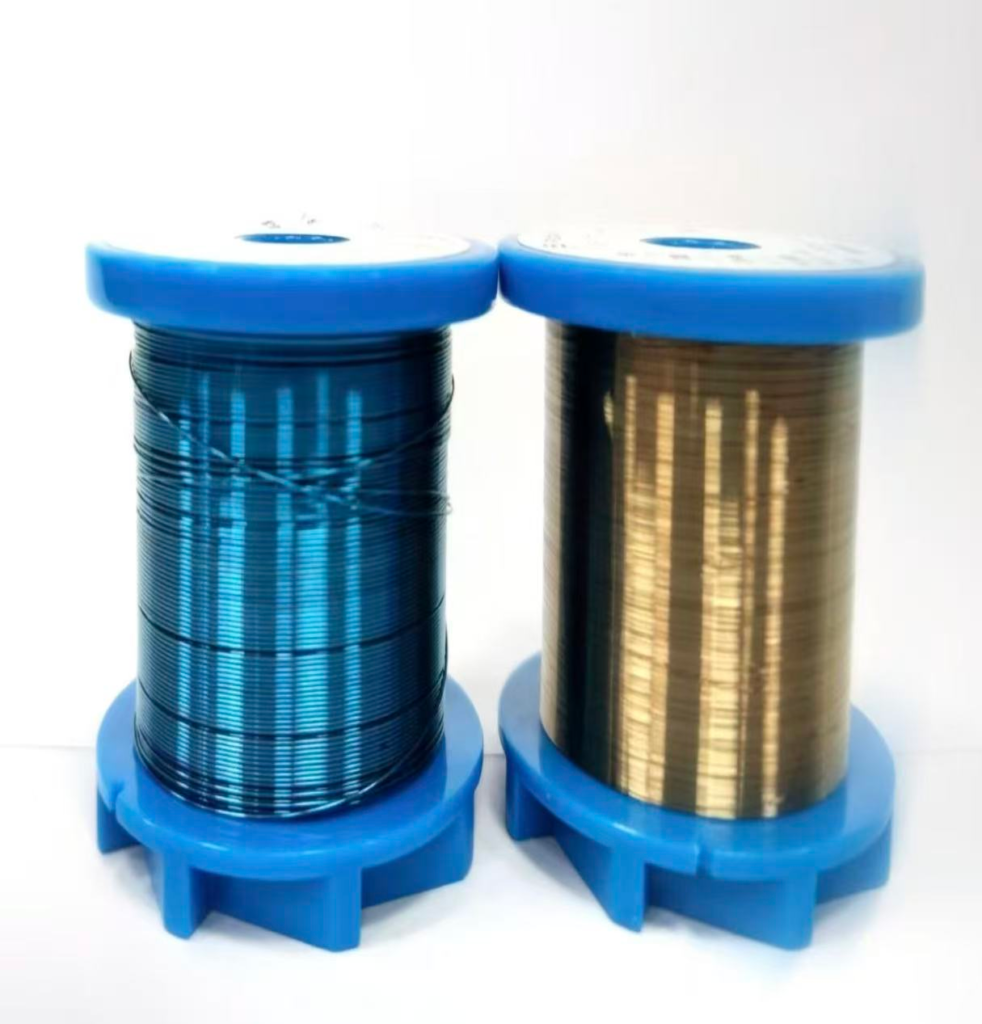
For many medical device companies, the supply chain for metals, wires, valves, and precision components is both critical and complex. Material certification, manufacturing traceability, surface finish specifications, and dimensional control all come into play. A single mismatch between component capability and product requirement can trigger costly redesigns or regulatory delays.
China’s medical manufacturing ecosystem has matured significantly in recent years, with local suppliers now offering capabilities that rival established global players. But how do you separate the truly capable from the merely promising? And how do you evaluate a component’s suitability when you only have a brief exhibition window to assess multiple suppliers?
The Importance of Precision Components in Medical Device Manufacturing
Medical devices often rely on numerous specialized components working together to achieve reliable performance. As product designs become smaller and more sophisticated, manufacturers require components with higher precision, improved material performance, and stable manufacturing quality.
From metal materials to complex mechanical parts, each component can influence the overall reliability of a medical device. Therefore, medical manufacturers need access to suppliers that understand strict production requirements and can provide suitable technical support.
At the Medtec China Trade Show, we focus on the upstream supply chain that supports medical device development. Instead of showcasing finished medical products, we provide a platform for exploring raw materials, precision components, manufacturing technologies, and production solutions.
Exploring Metals for Medical Device Applications
Metal materials remain an important foundation for medical manufacturing because they offer strength, durability, and processing flexibility. Different medical applications require different material characteristics, making material selection a critical part of product development.
Manufacturers need to evaluate factors such as corrosion resistance, mechanical properties, processing compatibility, and surface requirements when selecting metals for medical components. The right material choice can support both product performance and manufacturing efficiency.
Material Selection Supporting Advanced Medical Designs
Modern medical devices often include components with complex structures and demanding performance requirements. Selecting suitable metals requires an understanding of both application needs and manufacturing processes.
Precision metal components may require advanced machining, forming, finishing, or inspection technologies to achieve the desired results. Close coordination between material selection and manufacturing processes is essential for developing reliable solutions.
Medical-Grade Wires Supporting Precision Manufacturing
Medical-grade wires play an important role in many medical applications because they combine flexibility, strength, and dimensional accuracy. These characteristics make them valuable for manufacturers developing components that require precise structures and reliable performance.
When evaluating wire solutions, manufacturers should consider factors such as diameter consistency, surface quality, tensile strength, and compatibility with production processes. These elements influence how effectively wires can be integrated into medical device designs.
The Role of Wires in Complex Component Development
As medical devices become more compact, manufacturers require materials that can support smaller and more precise designs. Medical-grade wires provide flexibility for creating components that must balance mechanical performance with space limitations.
Understanding the relationship between wire properties and manufacturing techniques helps companies improve product development efficiency. Evaluating customization possibilities and production capabilities alongside material specifications can provide a more complete basis for technical assessment.
Valves and Precision Components for Medical Manufacturing
Valves and precision mechanical components are critical parts of many medical devices because they help control functions such as fluid movement, pressure management, and system operation. These components require accurate manufacturing and consistent quality.
For medical device manufacturers, evaluating component suppliers involves more than reviewing basic specifications. Production capabilities, quality management, customization support, and engineering experience are all important considerations.
Why Visit Medtec China Trade Show for Component Solutions
A specialized medical manufacturing exhibition brings together technologies and resources from different areas of the medical device supply chain. This allows engineers and sourcing professionals to compare material options, component technologies, manufacturing processes, and production capabilities within a broader technical context.
Unlike general medical exhibitions, the Medtec China Trade Show focuses on the design and manufacturing supply chain behind medical devices. Visitors can explore materials, components, production technologies, and manufacturing solutions that support innovation from early development to production.
For international medical device manufacturers and OEMs, this supply-chain focus provides a broader view of China’s medical manufacturing capabilities and the resources available for different stages of product development.
Preparing for a Valuable China Medical Expo Visit
Before attending the exhibition, professionals can improve their experience by identifying specific technical requirements and manufacturing challenges. Clear preparation helps visitors communicate more effectively with suppliers.
For metals, wires, valves, and precision components, companies can prepare questions about material properties, production processes, customization capabilities, and quality management approaches. These discussions help manufacturers evaluate potential solutions more efficiently.
The China medical expo, also provides a broader view of how materials, precision components, and manufacturing technologies work together within the medical device supply chain.
Connecting Medical Manufacturing Resources Through Medtec China Trade Show
The success of medical device development relies on the cooperation between material suppliers, precision component manufacturers, and technology providers. Metals, wires, valves, and other precision components provide essential support for reliable production processes and help manufacturers meet the requirements of increasingly complex medical applications.
Medtec China brings together global medical device manufacturers, OEMs, engineers, and R&D professionals with companies across the medical device design and manufacturing supply chain. This supply-chain structure provides a broader technical perspective on how materials, precision components, and production technologies contribute to medical device development. By considering these resources together, manufacturers can better understand the relationship between component performance, manufacturing precision, and overall product reliability.