
We organize Medtec China as a medical device design & manufacturing supply chain exhibition that connects global medical device professionals with suppliers, technologies, and manufacturing solutions across the complete product development process.
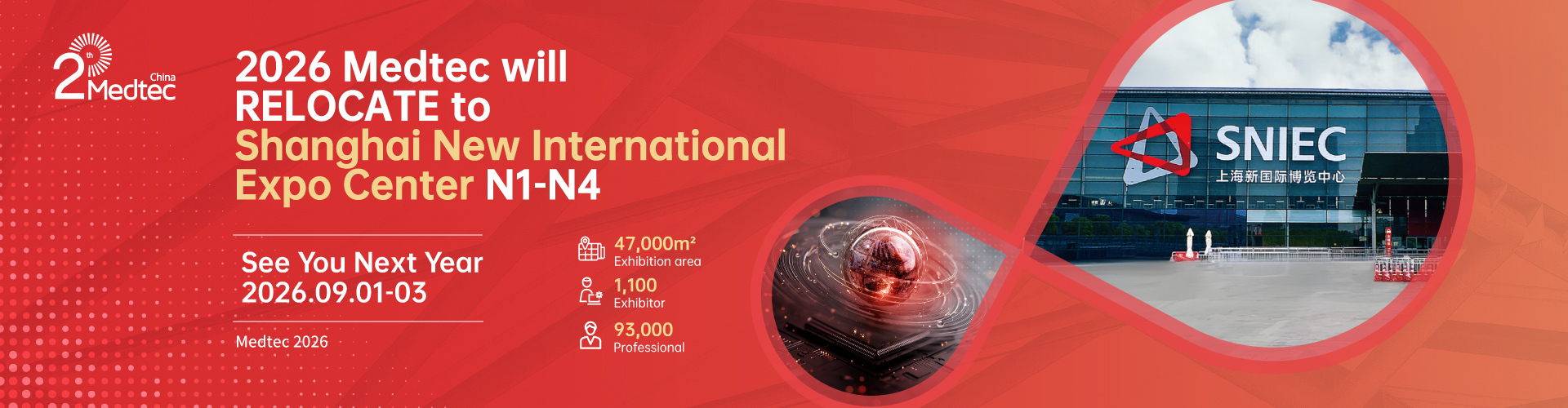
The event will be held from September 1–3, 2026, at the Shanghai New International Expo Centre (SNIEC), N1-N4, providing an international platform focused on medical device research and development, design, manufacturing, and supply chain collaboration.
Our exhibition advantage is bringing together a wide range of upstream resources, including medical materials, components, precision processing, OEM/ODM services, testing, packaging, automation, and related manufacturing technologies.
By helping visitors evaluate suppliers and discover solutions in one location, we support more efficient sourcing decisions. International attendees can visit our official website to learn more about the event and register for participation opportunities.
Why Build a Supplier Shortlist Before a China Medical Exhibition
For medical device companies, exhibition preparation directly influences the value they gain from supplier meetings. A large event may include many companies offering different technologies, making it difficult to identify which exhibitors truly match a project’s technical and business requirements.
Building a supplier shortlist before attending helps engineers, sourcing managers, and product developers focus on relevant exhibitors. By defining objectives in advance, companies can spend more time discussing technical solutions and less time reviewing suppliers that do not fit their development needs.
A strong shortlist should be based on clear evaluation criteria. These criteria may include material capability, component experience, manufacturing processes, quality management, production capacity, and ability to support long-term cooperation.
Defining Material Requirements Before Selecting Suppliers
Material selection is one of the earliest and most important decisions in medical device development. The right material can influence product performance, manufacturing efficiency, durability, sterilization compatibility, and overall reliability.
When evaluating material suppliers, companies should consider whether they understand the specific requirements of medical applications. Suppliers with experience in medical-grade materials are often better prepared to provide technical guidance, consistent quality, and application-focused support.
Before visiting exhibitors, teams should prepare information about product requirements, including performance expectations, processing methods, environmental conditions, and production goals. This allows suppliers to provide more accurate recommendations and helps companies compare different material solutions more effectively.
At Medtec China Exhibition, visitors can connect with companies offering materials and technologies that support different stages of medical device development. These conversations allow product teams to explore potential options and understand how materials may influence manufacturing strategies.
Creating a Component Exhibitor Evaluation Strategy
Components play a critical role in medical device performance, especially for products requiring precision, reliability, and consistent quality. Selecting the right component suppliers requires more than comparing product specifications.
Companies should evaluate exhibitors based on manufacturing capability, customization experience, quality control processes, technical support, and experience with similar medical applications. A supplier that understands both engineering requirements and production challenges can provide greater value throughout the development cycle.
Different medical devices may require different component solutions. Catheter components, precision metal parts, tubing, connectors, and specialized assemblies all involve unique manufacturing considerations.
A structured evaluation system helps companies organize potential suppliers according to technology category, application experience, and project suitability. This makes it easier to identify the exhibitors most aligned with specific product requirements.
Researching Exhibitors Before the Event
Effective supplier selection begins before arriving at the exhibition venue. Companies should review available exhibitor information and identify suppliers related to their current development challenges.
A practical approach is to categorize exhibitors into groups such as materials, components, manufacturing services, testing solutions, packaging technologies, and automation providers. This classification helps visitors create a focused schedule and prioritize important meetings.
When researching exhibitors, companies should consider technical expertise, industry experience, production capabilities, and communication ability. These factors can influence whether a supplier is suitable for international cooperation and long-term partnership.
A professional China medical exhibition provides opportunities to discover both established suppliers and emerging technology providers. Careful preparation allows visitors to identify valuable connections while maintaining time for exploring new solutions.
Evaluating Suppliers During Exhibition Meetings
Supplier meetings should focus on understanding real manufacturing capabilities rather than only reviewing product information. Visitors should ask about production processes, engineering support, quality systems, delivery capability, and experience with medical device projects.
Technical discussions can reveal whether a supplier understands the challenges involved in medical device manufacturing. A supplier that can provide design recommendations, process optimization suggestions, and responsive communication may become a valuable development partner.
During meetings, companies should record important information, including technical capabilities, follow-up requirements, sample discussions, and potential cooperation opportunities. These notes help teams compare suppliers more effectively after the event.
Looking Beyond Equipment and Production Capability
Although manufacturing equipment is important, it should not be the only factor considered when evaluating suppliers. A successful partnership depends on technical expertise, quality consistency, communication efficiency, and the ability to support changing project requirements.
Medical device development often involves design improvements, production adjustments, and market expansion. Suppliers with flexible engineering capabilities can help companies respond to these changes more effectively.
Visitors should also evaluate whether suppliers understand industry expectations, including documentation needs, process control, and quality requirements. These capabilities can significantly influence future manufacturing success.
Using Exhibition Resources to Improve Supply Chain Decisions
The purpose of creating an exhibitor shortlist is not simply to collect supplier contacts. The goal is to identify partners that can support product development, manufacturing transfer, and future production growth.
After the event, companies should compare shortlisted suppliers using consistent evaluation criteria. Reviewing technical capability, quality systems, production experience, and cooperation potential helps teams make more informed sourcing decisions.
A structured follow-up process can transform exhibition discussions into practical business opportunities. Companies can continue technical communication, request samples, evaluate feasibility, and develop stronger supplier relationships.
Building a Practical Visit Plan for Better Results
A well-organized visit schedule helps companies maximize their exhibition experience. Before attending, teams should identify priority exhibitors and arrange meetings according to project importance.
Different departments can contribute different perspectives during supplier evaluation. Engineers may focus on technical feasibility, procurement teams may assess supply stability, and quality teams may review manufacturing control systems.
Cross-functional participation creates a more complete understanding of potential partners. This approach allows companies to evaluate suppliers from both technical and business perspectives.
Strengthening Medical Device Supply Chain Connections Through Exhibition Participation
We welcome international medical device professionals to join our medical device design & manufacturing supply chain exhibition from September 1–3, 2026, at the Shanghai New International Expo Centre (SNIEC), N1-N4. The event provides a dedicated platform connecting medical device R&D, design, manufacturing, and supply chain resources.
By bringing together suppliers and technologies covering materials, components, processing, OEM/ODM services, testing, packaging, automation, and manufacturing solutions, we help visitors improve sourcing efficiency and identify suitable partners. International attendees can explore our official website, learn more about the exhibition, and register for participation.
Building a reliable supplier network requires preparation, evaluation, and direct communication with qualified partners. Through a China medical exhibition, companies can discover new technologies, compare suppliers, and strengthen their manufacturing strategies.
Stay close to the latest innovations across materials, components, equipment, and manufacturing services at Medtec China 2026. Pre-register now to claim your complimentary ticket and connect with the wider medical device supply chain.