
Determining the ideal substrate—whether a high-durability polymer, a corrosion-resistant alloy, or a flexible elastomer—remains a cornerstone of clinical device engineering. Held annually every September across Halls N1 to N4 at the Shanghai New International Expo Center, our premier gathering acts as a pivotal connection point for healthcare device developers and component specialists.
Operating as Medtec China, our team shapes an environment where cross-functional groups evaluate emerging material performance metrics, assess precision fabrication setups, and exchange technical expertise. Exploring a dedicated medical supply expo allows research personnel and procurement teams to compare raw material properties directly, mitigating developmental risks before mass production starts. Overseas delegates are invited to register on our official portal today to stay tuned for the 2027 Corporate Delegation Guidelines and organize their upcoming visit to Shanghai.
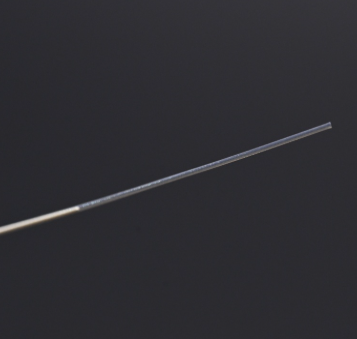
High-Performance Polymers in Implantable and Diagnostic Applications
Selecting synthetic polymers for medical applications involves weighing mechanical toughness against biostability under demanding physiological conditions. Advanced polyetheretherketone (PEEK), ultra-high-molecular-weight polyethylene (UHMWPE), and fluoropolymer variants are increasingly replacing heavy structural metals, giving finished components lower density and superior radiolucency. R&D personnel examine tensile fatigue limits, wear rates, and degradation kinetics to verify structural stability over long clinical life cycles.
Polymer processing behavior dictates how effectively delicate features convert from resin granules into high-precision parts. Variations in melt flow index or uneven cooling cycles during high-cavity molding can induce micro-internal stress, causing unexpected warpage in microfluidic channels. Conducting comprehensive rheological testing beforehand optimizes gating configurations and reduces reliance on trial-and-error tooling modifications.
Surface modifications expand raw polymer capabilities without altering their inherent bulk properties. Hydrophilic polymer brushes applied via plasma activation drastically diminish vascular catheter surface drag during insertion routines. Adopting customized surface treatments gives development teams new avenues to improve device safety across diverse therapeutic domains.
Biocompatible Metals and Micro-Precision Machining Advances
Metallic substrates remain indispensable when structural stiffness, radiopacity, or high tensile resistance are mandatory design constraints. Nitinol shape-memory alloys, titanium formulations, and surgical-grade stainless steels form the structural foundation of intricate stent lattices, bone fixation plates, and endoscopic jaw assemblies. Technical teams assess fatigue thresholds and passivated oxide layer integrity to confirm resistance against bodily fluid corrosion.
Extremely tight dimensional tolerances require specialized micro-machining platforms optimized for miniature metallic components. Swiss-type turning lathe centers, micro-EDM setups, and ultrafast laser cutters enable component suppliers to achieve sub-micron precision on intricate metal hypotubes. Fine-tuning machining parameters prevents thermal heat-affected zones, keeping internal grain structures intact.
Visiting the Medtec China Medical Expo gives corporate sourcing teams direct exposure to live equipment operations, including multi-axis CNC turning stations, automated micro-dispensing heads, and high-speed vision inspection cells working in real time. Micro-dispensing valves deliver microscopic droplets of UV-curable adhesive onto delicate electrical contacts with high repeatability and zero void formation. Observing these automated operations firsthand helps production leads quantify throughput improvements and plan cleanroom integration.
Liquid Silicone Rubber and Flexible Elastomer Innovations
Liquid silicone rubber (LSR) provides exceptional biological neutrality, thermal stability, and low compression set characteristics, making it ideal for fluid management seals and soft-tissue interfaces. Liquid injection molding (LIM) processes permit precise double-shot overmolding directly onto thermoplastic housings, cutting down on manual sub-assembly steps. Material scientists track curing kinetics and tear resistance to optimize seal longevity under repeated flexing.
Silicone formulation choices influence sterilization compatibility across gamma radiation, ethylene oxide, and steam autoclave protocols. Exposure to harsh sterilization media can trigger discoloration, embrittlement, or surface tackiness if the base catalyst system is mismatched. Pre-qualifying elastomer grades under simulated sterilization cycles avoids unexpected material degradation after commercial packaging.
Micro-molding delicate silicone components requires precise tool venting and tightly controlled injection pressures to eliminate flash formation. Microscopic flash along parting lines can dislodge inside clinical fluid pathways, posing contamination hazards. Utilizing high-precision tooling inserts with vacuum-assisted molding cavities helps maintain pristine edge definitions across long production runs.
Cross-Material Risk Mitigation and Verification
Evaluating material interactions early in the development lifecycle reduces structural compatibility failures during clinical deployment. Joining dissimilar materials—such as bonding silicone tubes to metallic connectors or overmolding polymers onto alloy inserts—demands careful thermal expansion matching and chemical adhesion testing. Implementing thorough joint stress testing clarifies load distribution limits across hybrid assemblies.
Biocompatibility verification protocols rely heavily on chemical characterization techniques over conventional living tissue models. Quantitative extractables and leachables screening reveals organic or inorganic compound migration under aggressive fluid exposures. Establishing detailed chemical risk profiles early simplifies regulatory compliance documentation across international target markets.
Supply chain resilience demands balanced sourcing plans across raw material suppliers, component converters, and surface treaters. Over-reliance on single-source material grades leaves manufacturing operations vulnerable to global supply bottlenecks or regulatory formula revisions. Establishing qualified secondary suppliers maintains operational continuity across shifting market conditions.
Conclusion
Comparing material performance, evaluating advanced fabrication cells, and aligning supply chain strategies require thorough technical planning and active industry collaboration. Serving as Medtec China, our team remains committed to hosting a comprehensive venue where material developers, precision machining specialists, and device engineers connect to drive healthcare technology forward.
Every autumn at the Shanghai New International Expo Center, our Medtec China Medical Expo platform gives delegates access to novel polymers, high-precision metal machining setups, and specialized technical sessions. Organize your group’s attendance early, connect with premier manufacturing partners, and refine your technology sourcing strategy; visit our official portal today to review delegation guidelines, check conference schedules, and plan your journey to Shanghai.