
Bringing a modern clinical apparatus from concept to commercial reality demands a seamless integration of material science, precise fabrication, and rigorous quality verification. Held each September within Halls N1 to N4 at the Shanghai New International Expo Center, including specialized technical forums in Conference Rooms N1 through N4, our international event provides a direct link to advanced medical manufacturing pipelines.
Representing Medtec China, our team curates an environment where foreign and domestic professionals assemble to examine cutting-edge components, raw materials, and processing solutions. Attending a dedicated China medical exhibition empowers research engineers and project managers to streamline supply chains and resolve complex engineering bottlenecks efficiently. We encourage international attendees to register on our official website today to receive event updates, organize their visit schedules, and connect with global industry pioneers.
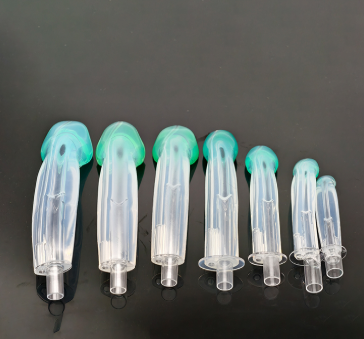
Material Selection Dynamics in Early Concept Design
Selecting polymers or metal alloys for bio-compatible applications requires a deep understanding of chemical stability, mechanical endurance, and sterilization tolerance. Advanced implantable PEEK compounds, ultra-high-molecular-weight polyethylene, and specialized titanium formulations continue replacing conventional hardware, enabling thinner wall profiles and lower overall component mass. R&D specialists must carefully evaluate leachables, corrosion rates, and stress-strain behaviors under simulated physiological conditions before finalizing initial designs.
Early material trials often dictate downstream processing feasibility, especially when working with thin-walled or multi-lumen profiles. Resin viscosity variations or irregular cooling rates during extrusion can introduce micro-defects, altering mechanical performance under cyclic loading. Thorough pre-production testing minimizes costly tooling modifications and helps establish realistic structural limits prior to pilot manufacturing.
Surface functionalization strategies further enhance the biological response of chosen substrate materials. Plasma treatments, hydrophilic coatings, and anti-microbial surface modifications lower friction coefficients during insertion procedures while resisting bacterial adhesion. Investigating these surface alteration methods early allows development teams to boost device safety without altering primary material properties.
Precision Tooling and Sub-Assembly Manufacturing
Fabricating intricate clinical hardware depends on high-precision machining methods capable of holding sub-micron tolerances across long production cycles. Micro-EDM, multi-axis Swiss CNC turning, and femtosecond laser cutting allow suppliers to craft detailed stent geometries, complex catheter tips, and tiny orthopedic fasteners. Mastering these machining processes helps technical teams keep dimensions uniform and eliminate secondary deburring steps.
Thermal management during continuous cutting plays a major role in preventing micro-cracking and material deformation. Tooling wear, cutting fluid temperatures, and spindle vibration must remain closely monitored using inline metrology tools to catch dimensional drift instantly. Integrating automated optical inspection alongside machining centers lowers scrap rates and keeps part quality predictable.
Multi-layer extrusion technology has likewise advanced, permitting engineers to combine polymers with varying durometers along a single continuous shaft. Such variable stiffness allows delivery systems to balance proximal pushability with distal flexibility during delicate neurovascular procedures. Auditing extrusion capabilities during supplier evaluations helps identify vendors who consistently maintain strict wall-thickness tolerances.
Automated Production and Cleanroom Operations
Transitioning an approved prototype into high-volume manufacturing demands automated assembly machinery designed specifically for controlled cleanroom environments. Automated pick-and-place systems, laser welding modules, and precision adhesive dispensers reduce human handling, thereby lowering particulate contamination risks. Incorporating smart feedback sensors into assembly heads validates joint integrity before sub-assemblies progress to final packaging.
At a comprehensive medical device design and manufacturing trade show, technical teams discover high-precision liquid silicone rubber (LSR) molding cells, automated micro-dispensing heads, and vision-guided robotic arms in live operation. Micro-dispensing valves deliver exact UV-curable adhesive droplets onto delicate flexible circuits without overflow or void creation. Observing these automated platforms in motion helps project leads evaluate cycle time improvements and scalability for upcoming product runs.
Quality verification processes now routinely leverage machine vision powered by advanced pattern recognition algorithms. High-speed camera arrays capture multi-angle images of moving components, detecting micro-fractures, flashes, or color inconsistencies in milliseconds. Implementing automated optical screening protects supply chain integrity across continuous high-volume shifts.
Regulatory Alignment and Supply Chain Verification
Navigating international regulatory approval pathways demands comprehensive material traceability from raw ingredient batching to final sterile barrier sealing. Equipment manufacturers must verify that component suppliers maintain robust quality management frameworks, complete device master files, and up-to-date ISO 13485 accreditations. Establishing clear quality agreements early prevents unexpected compliance hurdles during global market filings.
Biocompatibility testing protocols must align with evolving international safety standards, prioritizing comprehensive chemical characterization over animal models. Extractable and leachable testing profiles provide quantitative data regarding chemical migration under extreme solvent exposure. Conducting rigorous chemical screening early safeguards user safety while accelerating clinical trial approvals.
Risk mitigation strategies should balance component performance evaluations against potential supply chain disruptions. Over-reliance on single-source suppliers exposes medical manufacturing operations to unexpected raw material shortages and logistical delays. Cultivating qualified secondary suppliers for critical sub-assemblies protects manufacturing continuity and stabilizes overall production costs.
Conclusion
Successfully commercializing advanced healthcare equipment requires balancing technical innovation, stringent quality controls, and resilient supply chain partnerships across every development stage. At Medtec China, our team takes pride in providing an expansive forum where global engineering talent, raw material developers, and automated equipment specialists gather to shape the future of medical technology.
Attendees who explore a specialized China medical exhibition gain valuable insights into new materials, automated assembly tools, and regulatory strategies. Plan your event itinerary early, connect with premier engineering partners, and advance your product development goals; explore our official website now to complete delegate registration, review the conference schedule, and organize your visit to Shanghai.