
Medical component manufacturing requires accuracy at every stage. A small deviation in size, structure, or surface quality can influence the performance of a finished medical device. As product designs become more precise and production requirements become stricter, manufacturers are turning to automated quality control technologies to create more reliable manufacturing processes.
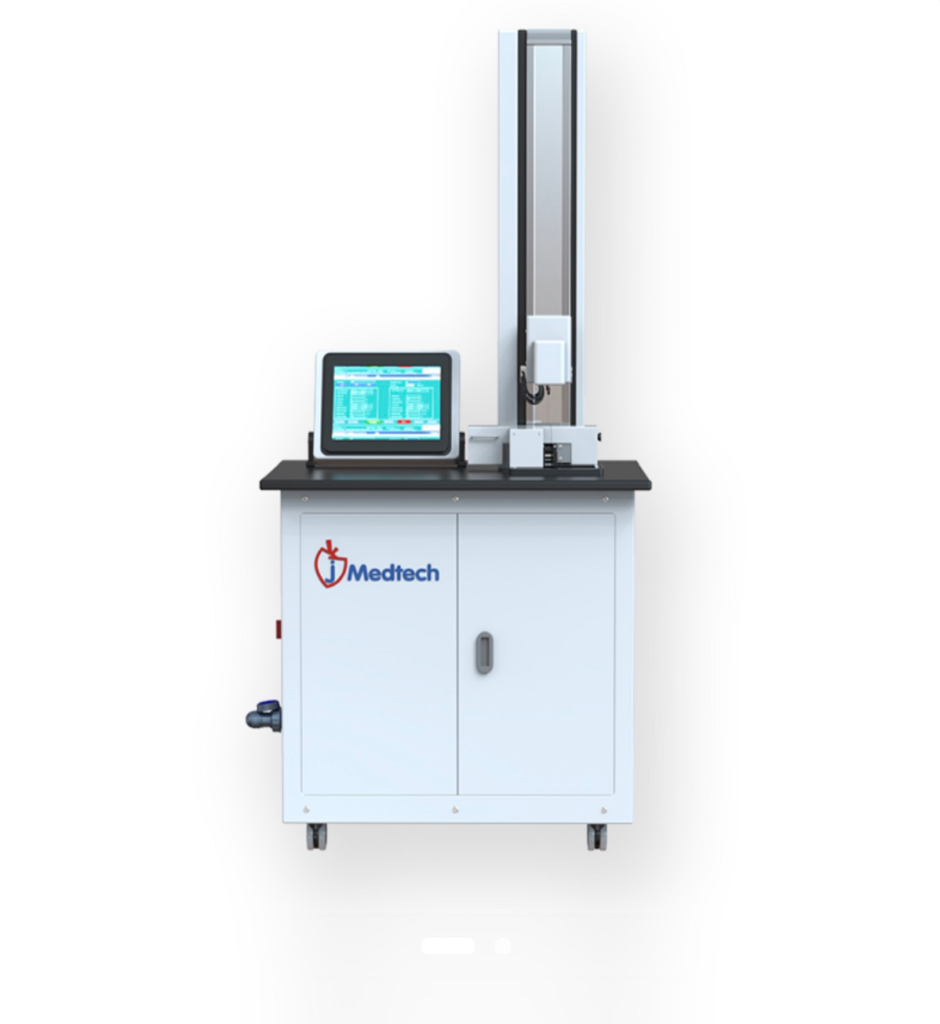
Maintaining consistent quality has become a key challenge as medical components require higher precision and more complex manufacturing processes. Automation technologies, including intelligent inspection, digital monitoring, and automated testing systems, are becoming increasingly important in helping manufacturers identify production issues, improve process visibility, and strengthen quality control.
These technologies are among the areas we explore at Medtec China Exhibition, where we focus on the manufacturing resources supporting medical device development. As a professional medical automation exhibition, Medtec China highlights automation solutions and quality management approaches used in China’s medical component manufacturing sector.
How Automation Is Changing Quality Management in Medical Manufacturing
When we communicate with medical device manufacturers and technology providers, we see that quality control is no longer limited to final product inspection. Modern manufacturing requires continuous monitoring throughout the entire production process.
For medical components, consistency is especially important. Whether a company produces precision metal parts, polymer components, tubing, or other specialized products, stable manufacturing conditions are essential for maintaining product performance.
Moving From Manual Inspection to Intelligent Monitoring
Traditional inspection methods often depend heavily on operator experience. While skilled workers remain valuable, automated systems provide additional advantages by offering consistent measurement and faster data collection.
At Medtec China, we see growing interest in technologies such as automated visual inspection, precision measurement systems, and digital quality monitoring tools.
These solutions allow manufacturers to identify production changes earlier and create more transparent quality management processes.
For international medical device companies, understanding how suppliers manage quality control is an important part of evaluating manufacturing capabilities.
Three Technologies Driving Automated Quality Control
During our exhibition, we connect visitors with different technology providers that demonstrate how automation is being applied across medical component production.
Intelligent Vision Inspection for Higher Precision
Vision inspection systems are becoming increasingly common in medical manufacturing. By using cameras, sensors, and software analysis, these systems can examine components for surface defects, assembly issues, and dimensional differences.
For components requiring high accuracy, automated vision inspection provides manufacturers with a more consistent approach to quality evaluation.
At Medtec China Exhibition, visitors can learn how these technologies are being integrated into production lines and how they help manufacturers maintain stable output.
Digital Systems Creating Better Production Visibility
Quality management depends on accurate information. Manufacturers need to understand not only whether a component passes inspection but also how production conditions influence the final result.
Digital systems collect information from different manufacturing stages and create a clearer view of production performance.
This data allows companies to review processes, identify possible improvements, and make better decisions about manufacturing operations.
Automated Testing for Consistent Performance
Some medical components require functional testing before they enter further production stages. Automated testing systems help manufacturers perform evaluations according to defined standards.
These systems are especially useful when companies need repeatable testing results across large production volumes.
Through automation, manufacturers can create more controlled testing procedures while maintaining production efficiency.
Why Automated Quality Control Matters for Global Buyers
When global medical device companies evaluate manufacturing partners in China, production capability is only one part of the decision. Quality management approaches also provide important information about a supplier’s technical maturity.
At Medtec China, we often see that engineering and procurement teams are increasingly interested in understanding manufacturing processes, inspection methods, and quality systems before starting cooperation.
Helping Engineering Teams Understand Manufacturing Feasibility
For R&D professionals, automated quality control provides insight into whether a manufacturer can maintain the precision required for complex designs.
By discussing inspection methods and production controls with suppliers, engineers can better understand how a design may perform during large-scale manufacturing.
Giving Procurement Teams Greater Confidence
For procurement teams, quality consistency directly affects supply chain reliability.
Manufacturers using automated quality control systems can provide clearer production information and demonstrate stronger process management capabilities.
These factors help companies make more informed decisions when selecting suppliers.
What Visitors Can See at Medtec China Exhibition
We designed Medtec China as a meeting point for professionals who want to understand the technologies influencing medical device manufacturing.
At the exhibition, visitors can connect with companies covering medical components, automation solutions, manufacturing equipment, inspection technologies, and related services.
Seeing Automation Applications Across the Supply Chain
Automation is not limited to one production step. It connects equipment, inspection, data systems, and manufacturing processes.
By visiting different exhibitors, professionals can see how these technologies work together to create more advanced production environments.
Discussing Future Manufacturing Requirements
Every medical device project has different requirements. Some companies may focus on precision, while others may prioritize production flexibility, scalability, or quality monitoring.
Through direct conversations at Medtec China Exhibition, visitors can discuss their needs with industry suppliers and gain practical insights into available solutions.
Looking Ahead at Automated Medical Manufacturing
Automation is becoming an important direction for medical component production in China. As manufacturers continue adopting intelligent technologies, quality control will become more connected, data-driven, and precise.
At Medtec China Exhibition, we continue to create opportunities for global medical device professionals to understand these developments and connect with companies driving manufacturing innovation.
As a dedicated medical automation exhibition, Medtec China provides a professional environment where engineers, procurement teams, and industry leaders can explore new technologies and exchange ideas about the future of medical component production.
Medtec China provides opportunities to explore how automation is transforming the next generation of medical manufacturing and connect with suppliers, engineers, and industry professionals.