
Medical devices rely on countless components that must work together with accuracy and consistency. Whether it is a precision metal part inside a surgical instrument, a spring controlling mechanical movement, tubing used for fluid transfer, or a polymer component designed for patient contact, each element affects the final performance of the product.
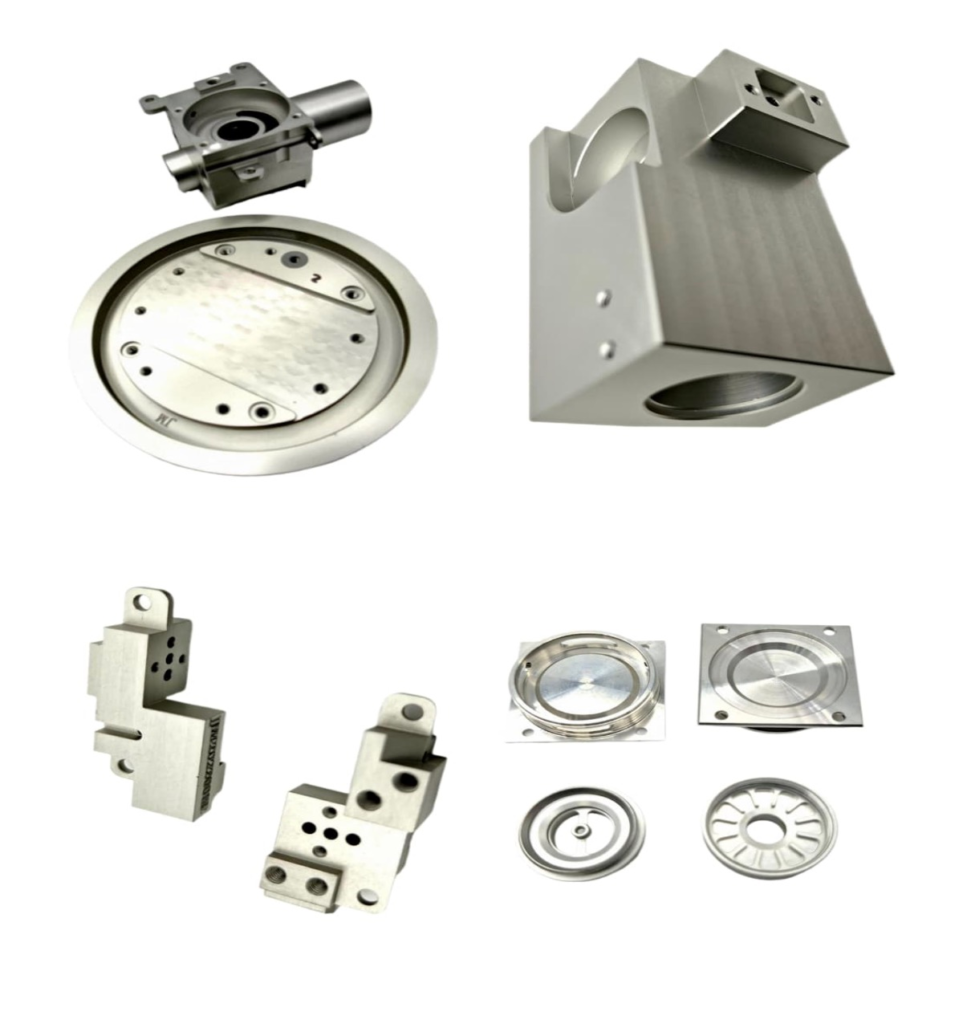
A medical device is only as reliable as the components and manufacturing processes behind it. From material selection and component design to precision processing and production consistency, every stage can influence the final performance of a device. As companies look for more specialized manufacturing capabilities, China’s medical supply chain has continued to expand its expertise in materials, component production, precision processing, and integrated manufacturing services.
At Medtec China, we focus on the technologies and suppliers that support medical device development. As a professional medical components exhibition, we highlight component solutions, manufacturing expertise, and supply chain capabilities across China’s medical manufacturing industry.
The Role of Specialized Components in Medical Device Development
Medical device production is not only about assembling finished products. The performance of a device often depends on the quality and design of individual components.
For engineers, selecting suitable materials and manufacturing methods at an early stage can influence product reliability, production efficiency, and future scalability.
For procurement teams, understanding supplier capabilities helps create a more stable sourcing strategy.
Precision Metals and Springs: Small Parts With Critical Functions
Metal components continue to play an important role in medical manufacturing because they offer strength, durability, and precise mechanical performance.
Precision Metal Processing for Complex Requirements
Many medical devices require metal parts with tight dimensional requirements and consistent quality. Components used in instruments, mechanisms, and assemblies often depend on advanced machining technologies to achieve the necessary accuracy.
Manufacturers with precision processing experience can work with medical device companies to evaluate designs, select appropriate production methods, and maintain consistency during manufacturing.
Beyond basic production, technical communication between engineers and suppliers is becoming increasingly important. A supplier’s understanding of material behavior and processing limitations can influence the success of a product design.
Springs Designed for Controlled Movement
Springs may appear simple, but they often perform important mechanical functions within medical devices. They can control movement, provide force, or maintain operational stability in different mechanisms.
Medical applications require careful consideration of spring material, size, durability, and performance consistency. Customized spring solutions allow manufacturers to meet specific design requirements while maintaining reliable operation.
Medical Tubing and Polymer Components Across Modern Applications
The increasing use of minimally invasive technologies and disposable medical products has created growing demand for specialized tubing and polymer solutions.
Tubing Solutions for Different Medical Applications
Medical tubing must often balance flexibility, strength, chemical resistance, and biocompatibility. Different applications may require different material characteristics and production techniques.
Manufacturers need experience in extrusion, material handling, and quality control to produce tubing that meets strict requirements.
For medical device developers, selecting the right tubing partner can help ensure that the final product performs reliably throughout its intended use.
Polymer Components and Material Selection
Polymer materials provide manufacturers with new design possibilities due to their lightweight properties, flexibility, and adaptability.
They are widely used in medical components such as housings, connectors, disposable parts, and customized structures.
However, choosing the correct polymer requires consideration of application conditions, processing methods, and performance expectations. Experienced suppliers can provide valuable insights into material selection and manufacturing feasibility.
China’s Connected Medical Component Supply Chain
One of the advantages of China’s medical manufacturing ecosystem is the connection between different production capabilities.
A medical device project may involve material suppliers, component manufacturers, tooling specialists, processing companies, and quality service providers. The cooperation between these groups creates a more complete manufacturing environment.
From Individual Parts to Integrated Solutions
Modern medical device companies increasingly look beyond individual component suppliers. They are interested in partners that understand how different parts work together within a complete product.
Manufacturers that combine technical knowledge with production experience can participate earlier in the development process, helping companies evaluate designs and production approaches.
Flexibility for Global Medical Device Projects
Different markets and applications create different manufacturing requirements. International companies often need customized components, adaptable production methods, and reliable communication with suppliers.
China’s diverse supplier network provides opportunities for companies to explore solutions that match their specific product goals.
What Professionals Can See at Medtec China
For companies evaluating medical component suppliers, direct communication remains one of the most effective ways to understand manufacturing capabilities.
At Medtec China, visitors can meet companies involved in medical components, materials, manufacturing technologies, and related services.
Understanding Manufacturing Capabilities Firsthand
Engineering teams can discuss technical topics such as materials, production processes, tolerances, and customization requirements.
Procurement teams can learn more about supplier experience, production capacity, and cooperation possibilities.
These discussions help visitors develop a clearer picture of available manufacturing resources.
Connecting Component Needs With Industry Solutions
Medical device development often involves multiple component decisions at the same time. An exhibition environment allows teams to compare different technologies and understand how various suppliers fit into their projects.
By viewing solutions across different categories, visitors can gain broader insight into China’s medical manufacturing capabilities.
The Future of Medical Component Sourcing in China
Precision metals, springs, tubing, and polymer components remain essential parts of the medical device supply chain. As products become more advanced, manufacturers will continue to focus on greater accuracy, customization, and production reliability.
At Medtec China, we create opportunities for global medical device professionals to connect with industry suppliers and learn about the technologies shaping medical manufacturing.
As a dedicated medical components exhibition, Medtec China provides a professional environment where visitors can explore component solutions, exchange ideas, and identify potential opportunities within China’s medical supply chain.
Discover what is driving innovation across medical device design and manufacturing at Medtec China and explore the latest industry solutions across the medical supply chain.