
Medical device development increasingly depends on technologies that can perform highly controlled processing at very small scales. Laser systems, ablation technologies, and other energy-based processes are particularly relevant to components and devices that require precision cutting, shaping, marking, surface modification, or minimally invasive treatment functions.
At Medtec China Show, we bring these technologies into the wider context of medical device R&D and manufacturing. Our exhibition is dedicated to the upstream supply chain, covering materials, components, precision processing, manufacturing equipment, testing, and related services.
Rather than focusing only on finished medical products, we connect the technologies behind them. That makes the medical manufacturing expo a useful place to examine how advanced energy-based processes are being incorporated into medical component production and device development.
Where Laser Processing Enters Medical Device Manufacturing
Laser technology has become an important part of precision manufacturing because it can process small and intricate structures with a high degree of control. Within medical device production, laser systems can support processes such as cutting, drilling, welding, marking, and surface treatment.
The applications become particularly relevant when component dimensions leave little room for conventional machining. Catheter components, fine metal parts, surgical instruments, and other precision structures can require controlled processing that minimizes unwanted deformation or excessive mechanical force.
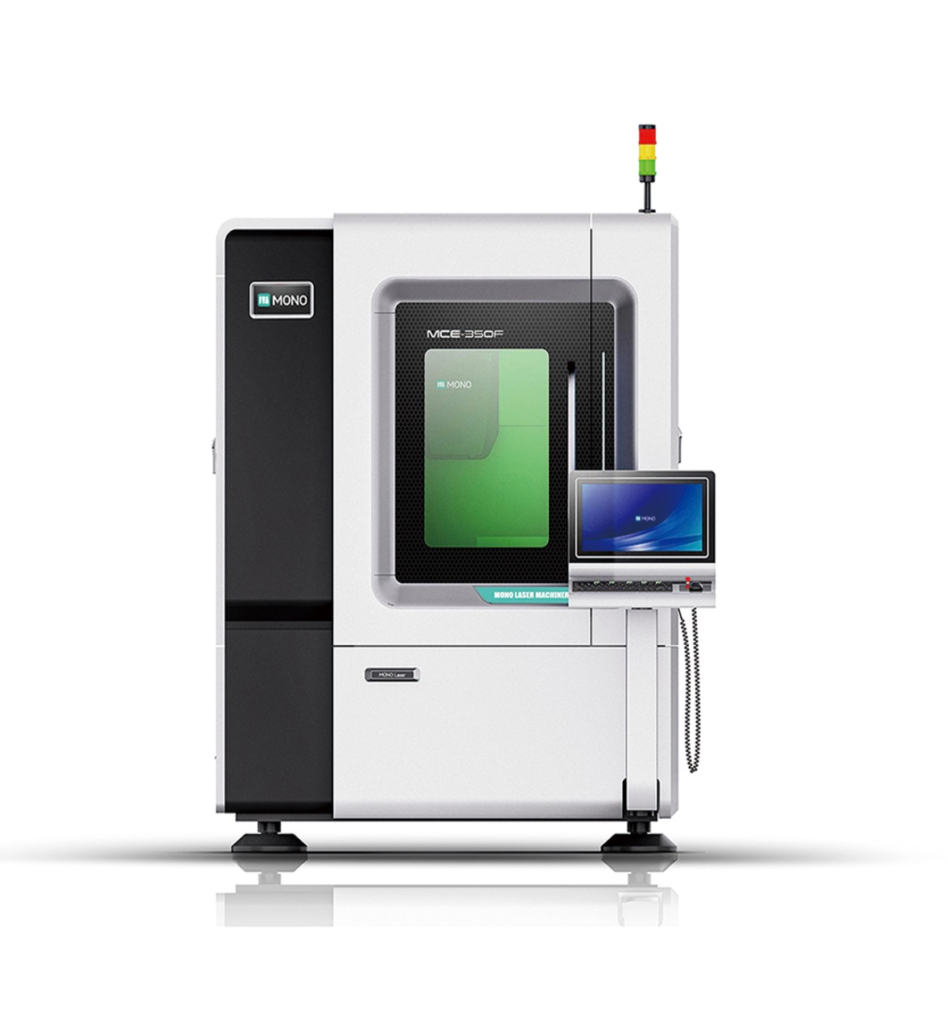
At Medtec China, super-precision laser processing is included within the precision manufacturing and processing category. The exhibition classification places super-precision laser processing alongside CNC machine tools and additive manufacturing in Hall N1.
This positioning reflects an important point: laser technology is not an isolated piece of equipment. It forms part of a broader manufacturing workflow in which material selection, component design, processing, inspection, and production control need to work together.
What Makes Ablation Relevant to Medical Devices?
Ablation involves removing or modifying material through a controlled energy input. Depending on the technology and application, the process can be used to create precise structures, modify surfaces, or support specialized medical procedures.
From an R&D perspective, the value of ablation lies in its ability to address applications where conventional material removal may not provide sufficient control. Miniaturized medical components, delicate structures, and specialized surfaces can require highly localized processing.
The appropriate energy source and processing parameters depend on the material and intended result. Metals, polymers, ceramics, and other medical materials can respond differently to energy-based processes, making process development an important part of technology evaluation.
This is where direct communication with equipment and technology providers becomes particularly valuable. At our exhibition, technical discussions can move beyond a machine specification toward questions about materials, tolerances, throughput, process stability, and integration with downstream manufacturing.
Energy-Based Technologies Extend Beyond Cutting
Laser cutting is only one application within the wider field of energy-based manufacturing. Other processes can support welding, marking, drilling, surface modification, and joining.
For medical devices, these capabilities can become relevant at different stages of production. A component may require precision cutting during its initial formation, laser welding during assembly, and marking for identification or traceability later in the process.
This creates opportunities to evaluate processing technologies as part of a complete manufacturing strategy rather than as individual machines.
Our exhibition covers not only precision processing but also molding, tubing and extrusion equipment, surface treatment, OEM/ODM manufacturing, automation, robotics, testing, and metrology.
The combination matters because the performance of a precision-processed component ultimately depends on what happens before and after the laser process.
From Prototype Processing to Repeatable Production
One of the most important questions surrounding advanced processing technology is whether a process can move successfully from R&D into commercial manufacturing.
During early development, a laser or ablation process may be evaluated on a small number of samples. At this stage, engineers can focus on dimensional accuracy, surface quality, thermal effects, and overall feasibility.
Commercial production introduces additional requirements. Process repeatability, cycle time, equipment stability, inspection, and integration with automated production lines become increasingly important.
We therefore position Medtec China across the complete path from R&D to commercial manufacturing. Our exhibition covers precision manufacturing alongside OEM/ODM services, automation, testing, metrology, and quality-related technologies.
This broader coverage allows advanced processing technologies to be considered in relation to the production environment in which they will ultimately operate.
Material Compatibility Can Determine Process Performance
Laser and energy-based processing cannot be separated from material selection. The same process parameters will not necessarily produce the same results across different materials.
Metallic components may require precise control of heat input and cutting conditions. Polymers can respond differently to laser energy, particularly when thermal effects or surface quality become critical. Ceramics and glass can introduce their own processing challenges.
Our Medtec China exhibition includes metallic raw materials and components as well as advanced ceramic, biological, and glass materials and related components. Medical-grade polymers and composite materials are also represented in the exhibition’s materials and components categories.
By bringing material suppliers and processing technology providers into the same exhibition, we create a setting in which material and manufacturing decisions can be discussed together.
What R&D Teams Can Find at Medtec China Show
Our visitor base includes professionals from R&D, manufacturing, project management, technical, quality, purchasing, regulatory, and other departments involved in medical device development and production.
At the Medtec China Show, R&D and engineering professionals can examine technologies relevant to precision processing while also investigating adjacent manufacturing capabilities. A project involving laser processing, for example, may also require specialized materials, tooling, automation, inspection equipment, or contract manufacturing support.
This cross-category environment is one of the main characteristics of our exhibition. Instead of limiting technology discovery to a single manufacturing process, Medtec China brings different parts of the medical device supply chain together.
Take Laser and Energy-Based Manufacturing Further at Medtec China
Advanced laser, ablation, and energy-based technologies are changing what can be achieved in medical component manufacturing. Their importance is particularly evident in applications requiring miniaturization, precision, controlled material removal, and repeatable production.
At Medtec China, we bring these technologies together with the materials, components, equipment, manufacturing services, and quality solutions surrounding them.