
For medical device manufacturers, attending an industry exhibition is not only about viewing new technologies but also about finding valuable resources for future product development and manufacturing projects. A well-planned visit allows engineers, R&D teams, and sourcing professionals to focus on the materials, processing technologies, and automation solutions that directly influence production efficiency and product quality. This guide explains how to structure a visit around key technical priorities and turn exhibition information into useful insights for future projects.
Start Your Visit Plan With Medical Device Manufacturing Needs
A successful exhibition visit begins with understanding your own manufacturing objectives. Before attending a medical industry event, companies should identify the challenges they are currently facing, whether related to material selection, production efficiency, component development, or process optimization.
For medical device manufacturers, different teams may have different priorities. Engineers may focus on technical specifications and production feasibility, while sourcing professionals may pay more attention to supplier capabilities and manufacturing experience.R&D teams may be more interested in technologies that can support new product development.
A clear list of requirements makes it easier to organize relevant information and compare technologies across different categories. Instead of reviewing every solution equally, teams can focus on the areas that have the greatest impact on their current projects.
Exploring Material Solutions for Medical Device Development
Materials are the foundation of medical device manufacturing. The selection of suitable materials can influence product performance, processing requirements, and manufacturing reliability.
When planning a visit, professionals can pay attention to material suppliers and solutions related to metals, polymers, composites, and other specialized materials used in medical manufacturing. Understanding material properties and processing compatibility helps companies make better decisions during product development.
Material evaluation should also consider how a material performs within the broader manufacturing process. Factors such as dimensional stability, surface characteristics, durability, chemical compatibility, and processing requirements may affect later production stages.
At medical device exhibition, professionals can gain practical knowledge about material technologies that contribute to medical device innovation and organize relevant information for further technical evaluation.
Questions to Consider When Evaluating Materials
During exhibition research, manufacturers can prepare technical questions related to material characteristics, customization options, processing requirements, quality control, and production experience. These questions can help teams compare potential solutions more systematically.
Material selection often involves balancing multiple factors, including design requirements, manufacturing processes, and long-term performance expectations. Looking at these factors together provides a more complete basis for supplier and material evaluation.
Understanding Processing Technologies Behind Medical Components
After identifying suitable materials, manufacturers also need to consider how these materials can be processed into reliable components. Processing technologies play an important role in achieving precision, consistency, and production efficiency.
A well-planned exhibition visit should include time for exploring manufacturing processes such as precision machining, molding, surface treatment, and other production technologies. These solutions help transform materials into functional medical components.
Processing capabilities should be evaluated according to the requirements of the final application. Important considerations may include dimensional accuracy, production volume, automation level, quality control, and the ability to support customized designs.
Evaluating Manufacturing Capabilities and Technical Experience
When communicating with processing technology providers, visitors should consider more than individual equipment or processes. Understanding a supplier’s engineering capabilities, production experience, and ability to handle specific requirements is also important.
For medical device manufacturers, reliable manufacturing partners need to demonstrate consistent production capabilities and a clear understanding of industry requirements.
Reviewing these capabilities alongside processing technologies can help companies develop a more complete picture of potential manufacturing resources.
Discovering Automation Solutions for Efficient Production
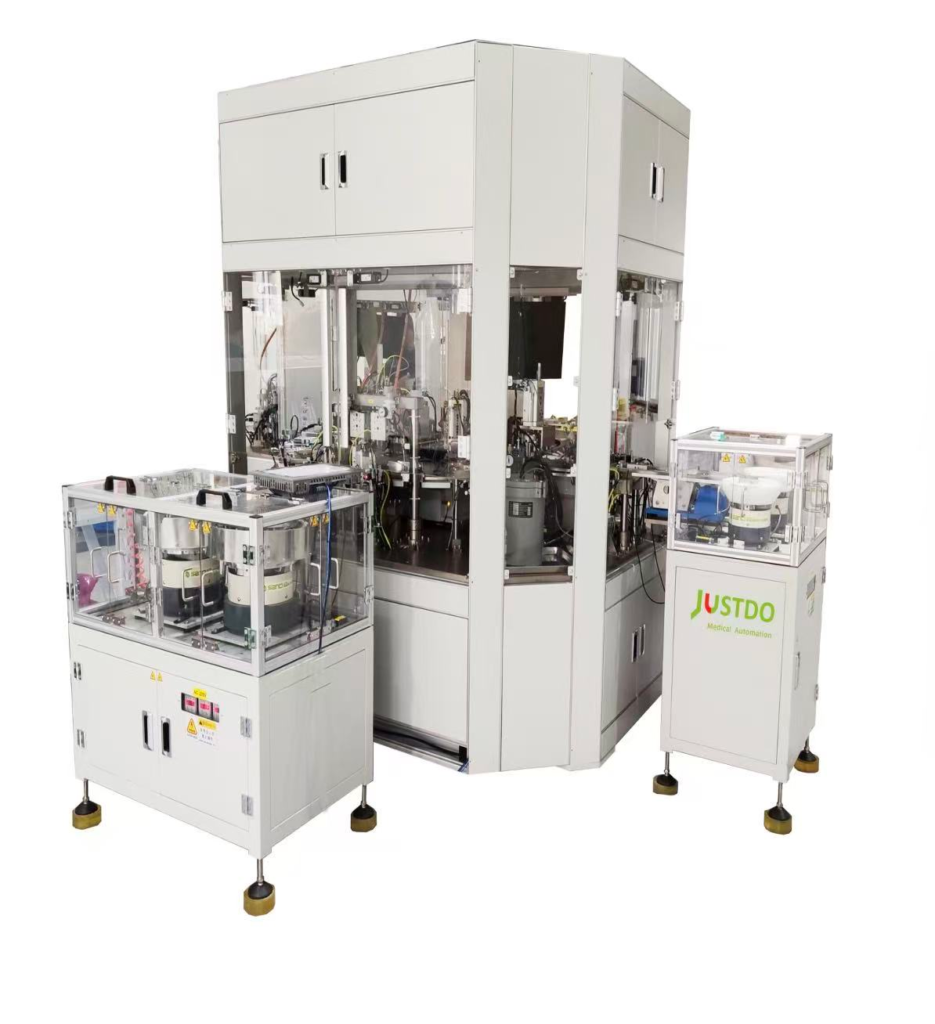
Automation has become an important consideration in modern medical device manufacturing. As companies seek greater production efficiency and consistency, automated solutions can help optimize manufacturing workflows.
When planning a visit, professionals can explore automation technologies related to assembly, inspection, production management, and intelligent manufacturing processes. These solutions may help manufacturers improve operational efficiency while maintaining production quality.
Automation should not be evaluated as an isolated technology. Its value often depends on how effectively it integrates with existing equipment, production lines, quality systems, and data-management processes.
Connecting Automation With Future Manufacturing Strategies
Automation decisions should align with long-term manufacturing goals. Companies need to evaluate whether solutions can adapt to changing production requirements and support future development plans.
During Medtec China, manufacturers can focus on topics such as system flexibility, integration capability, and practical application experience. These conversations help companies better understand how automation technologies may fit into their production environments.
Through the medical device exhibition, visitors can gain insights into how automation is shaping the future of medical manufacturing.
Preparing for Medical Device Exhibition
For global medical device manufacturers, attending a specialized manufacturing exhibition is an opportunity to gain industry insights and understand available supply chain resources. Preparation before the event helps professionals make better use of their time and focus on the technologies most relevant to their projects.
Before attending, companies can define project requirements, identify technical challenges, and prepare a list of evaluation criteria. For materials, this may include performance and processing compatibility. For manufacturing technologies, teams may focus on precision, capacity, quality control, and customization. For automation, integration and scalability may become key considerations.
After reviewing the available information, teams can organize their findings by technology category and compare potential solutions against their original project requirements. This approach turns a general exhibition visit into a more structured technical research process.
By connecting materials, processing technologies, and automation within one evaluation framework, medical device manufacturers can gain a clearer understanding of how different manufacturing resources contribute to product development and production efficiency.