
In 2026, medical device manufacturing is being shaped by a connected set of priorities: AI, automation, smart manufacturing, high-performance materials, miniaturization, digital production, and supply chain resilience. Each affects how manufacturers manage quality, compliance, cost, and continuity.
At Medtec China, we bring these issues into one exhibition focused on the medical device R&D and manufacturing supply chain, supported by relevant technologies, materials, equipment, and supplier resources. Apply for a free visitor pass to Medtec China 2026 and see what is changing at the source.

Five Trends Reshaping Medical Device Manufacturing in 2026
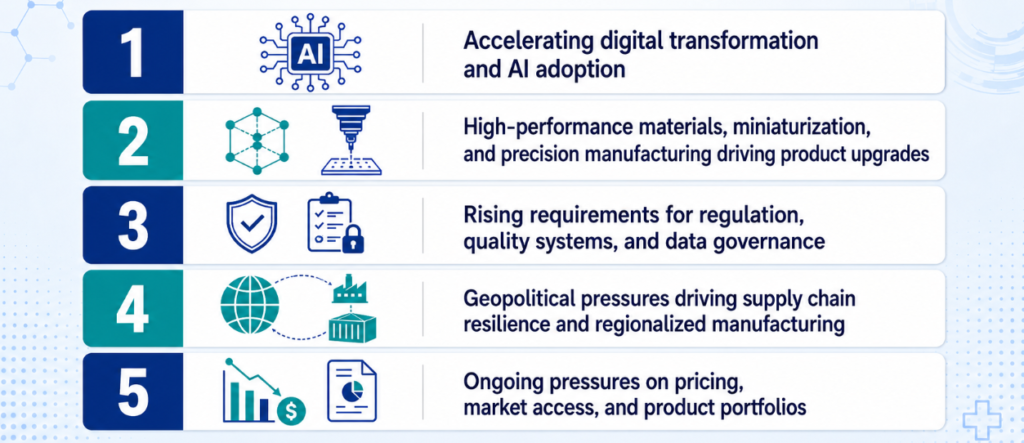
These trends do not operate separately. Together, they influence product specifications, capital investment, supplier qualification, validation, and market planning. ren
1. Accelerating Digital Transformation and AI Adoption
In Deloitte’s 2026 survey, 48% of life sciences executives identified accelerated digital transformation as a trend likely to have a substantial impact. Generative AI was cited by 41%. However, only 22% said their organizations had successfully scaled AI, and 9% reported significant returns.
Manufacturing data points to a similar direction. Rockwell Automation found that 95% of surveyed life sciences manufacturers were using or evaluating smart technology. The leading AI use cases were quality improvement at 53%, operational streamlining at 50%, and cybersecurity at 48%.
The priority for 2026 is therefore disciplined deployment: connect data, automation, and validated processes to defined production outcomes. Integration with existing equipment, workforce skills, and cybersecurity controls also determines whether a pilot can become a reliable production system.
2. High-Performance Materials, Miniaturization, and Precision Manufacturing Driving Product Upgrades
Product development increasingly depends on what materials and production processes can deliver together. Medical-grade polymers, metals, ceramics, biomaterials, adhesives, and composite materials must be assessed alongside biocompatibility, sterilization, mechanical performance, and process repeatability.
At the same time, miniaturization raises requirements for microfeatures, medical tubing, laser processing, precision machining, molding, extrusion, and surface treatment. The innovation pipeline remains active. MedTech Europe reported more than 15,700 medical technology patent applications at the European Patent Office in 2024.
For manufacturers, the practical issue is whether a smaller or more complex design can be produced consistently at the required quality level. Early coordination among design, materials, tooling, and processing teams can clarify tolerances and scale-up requirements before production transfer.
3. Rising Requirements for Regulation, Quality Systems, and Data Governance
Regulation and quality management are becoming more closely connected with product design and production data. The FDA’s AI-enabled medical device list states that listed devices have met applicable premarket requirements, including review of safety, effectiveness, intended use, and technological characteristics. It also emphasizes transparency around AI functionality.
China’s NMPA reported 14,187 approvals for initial, renewal, and change registrations in 2025, an 8% increase from 2024. It also issued 99 medical device registration review guidelines and published 35 review points.
These figures reinforce the need for controlled documentation, reliable data, traceability, and effective change management across the device lifecycle. As production becomes more digital, equipment records, inspection results, software versions, and access controls all form part of the quality evidence.
4. Geopolitical Pressures Driving Supply Chain Resilience and Regionalized Manufacturing
Medical device supply chain design is now a strategic operating issue. In Deloitte’s outlook, 39% of respondents named geopolitical tension as a leading concern, while 38% cited inflation, broader economic pressure, and supply chain risk.
These conditions are encouraging manufacturers to review supplier concentration, qualified alternatives, regional production options, inventory policies, and local manufacturing partners.
Resilience does not mean duplicating every resource. It means identifying critical materials, components, processes, and tooling, then building practical alternatives where interruption would have the greatest effect. Qualification status, lead times, tooling ownership, logistics, and regulatory impact should be visible before a sourcing decision is made.
5. Ongoing Pressures on Pricing, Market Access, and Product Portfolios
Pricing and access remain closely linked to manufacturing decisions. Deloitte found that 44% of life sciences executives regarded pricing and access to therapies and medical technologies as a major strategic consideration.
Among medtech leaders, 47% identified AI implementation as their primary cost-containment strategy for 2026, while 37% planned to focus on pricing, access, contracting, and reimbursement.
As a result, portfolio decisions require a clearer view of production cost, quality risk, capacity, yield, supplier stability, and market requirements. Automation, design for manufacturability, and suitable contract manufacturing models can support efficiency, but they must remain aligned with product quality and compliance.

These medical device industry trends for 2026 should be evaluated against real-world technologies and supplier capabilities. As an exhibition focused on the medical device R&D and manufacturing supply chain, Medtec China 2026 brings together relevant materials, components, production equipment, processing technologies, and manufacturing partners.
Apply for a free visitor pass to Medtec China 2026 and join us from September 1 to 3, 2026, to explore manufacturing technologies, compare supplier capabilities, and meet potential partners in person.
From Manufacturing Trends to Market Competitiveness: See What’s Next at Medtec China 2026
Medtec China 2026 will take place from September 1 to 3, 2026, at the Shanghai New International Expo Centre in Pudong, across Halls N1 to N4. The 20th edition has a planned exhibition area of 47,000 square meters, with 1,100 exhibitors and an estimated 93,000 visits.
The exhibition covers nine product themes:
1. Materials and Components
2. Precision Manufacturing and Processing
3. High-End Active Medical Equipment
4. IVD, Diagnostics, and Laboratory Solutions
5. Drug Delivery and Wound Care
6. OEM/ODM, Automation Manufacturing, and Smart Factory Solutions
7. Packaging, Sterilization, and Cleanroom Technologies
8. R&D, Design, and Regulatory Services
9. Testing, Metrology, and Quality
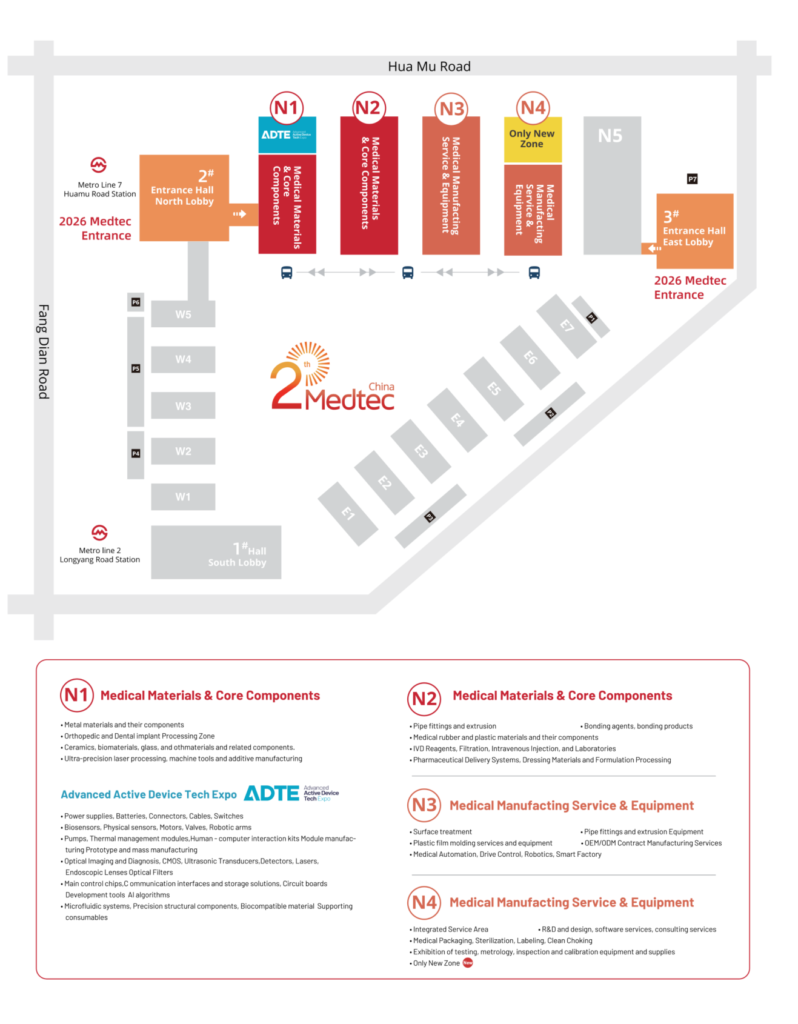
Medtec China 2026 exhibition hall categories and floor plan
Halls N1 and N2 focus on materials and core components. Halls N3 and N4 focus on manufacturing services and equipment.
| 2026 Manufacturing Priority | Relevant Resources at Medtec China 2026 |
| AI and smart manufacturing | Automation equipment, robotics, drive control, and digital manufacturing technologies |
| Advanced materials and miniaturization | Medical-grade materials, components, tubing, precision processing, molding, and surface treatment |
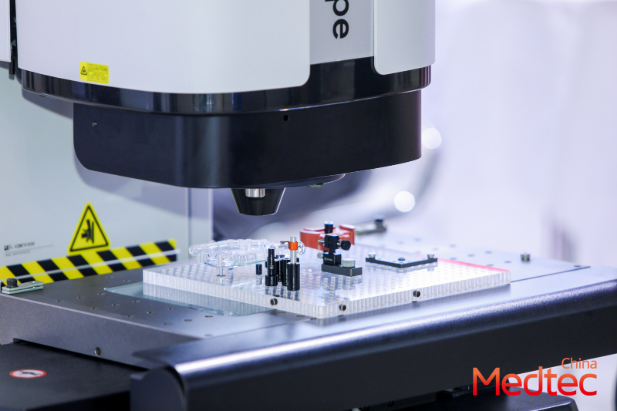
| Quality and compliance | Inspection, testing, metrology, calibration, quality assurance, and regulatory services |
| Supply chain resilience | Diversified suppliers, OEM/ODM providers, and manufacturing partners |
| Cost and efficiency | Automation, production equipment, process technologies, and contract manufacturing solutions |
Medtec China is not only a place to observe medical technology trends. It is a chance to examine how those trends can become practical manufacturing solutions and partnership opportunities. Visitors can compare specifications, production capabilities, quality approaches, and service models in one trip.
Apply in advance for a free professional visitor pass. Overseas visitors can also use the Medtec International Lounge in Hall N3, a dedicated area for matchmaking, games, and photos. Pre-registered overseas visitors can collect one early-bird gift in the lounge.
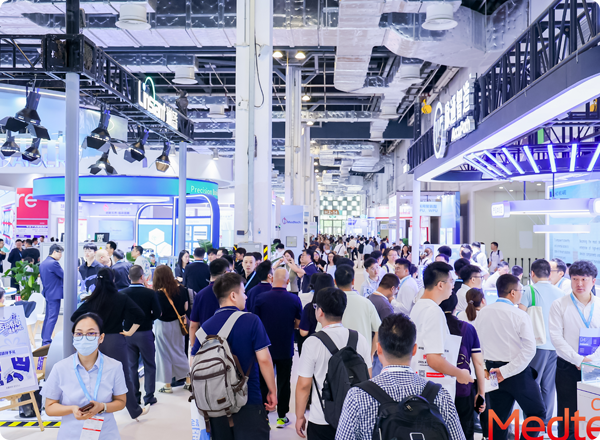
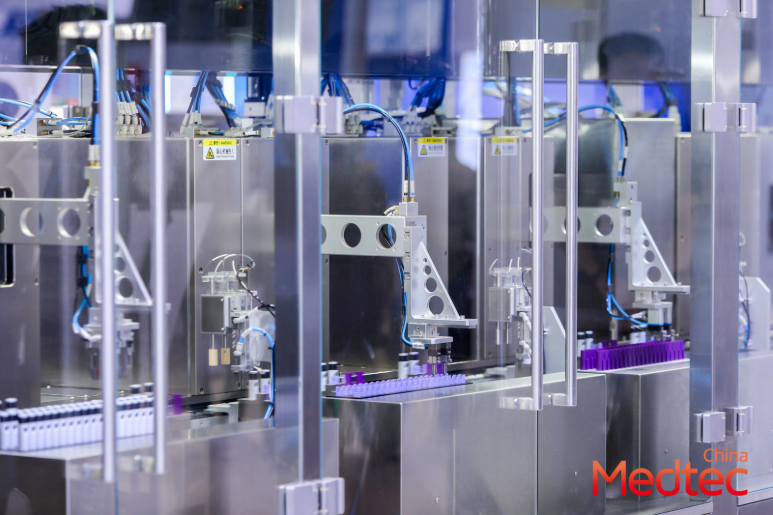
on-site at the Medtec China medical device supply chain expo
Conclusion
In 2026, medical device manufacturing is becoming smarter, more precise, more compliant, more flexible, and more efficient. These priorities are redefining competitiveness across product development, production, quality management, and supply networks.
Medtec China 2026, taking place from September 1 to 3 at the Shanghai New International Expo Centre, brings these priorities into a practical setting. Across Halls N1 to N4, visitors can examine new materials, manufacturing technologies, automation equipment, and supply chain solutions while speaking directly with relevant suppliers and manufacturing partners.
Free advance registration closes on August 30. Apply now for your free visitor pass to avoid the RMB 100 on-site admission fee and prepare your visit before the exhibition.