
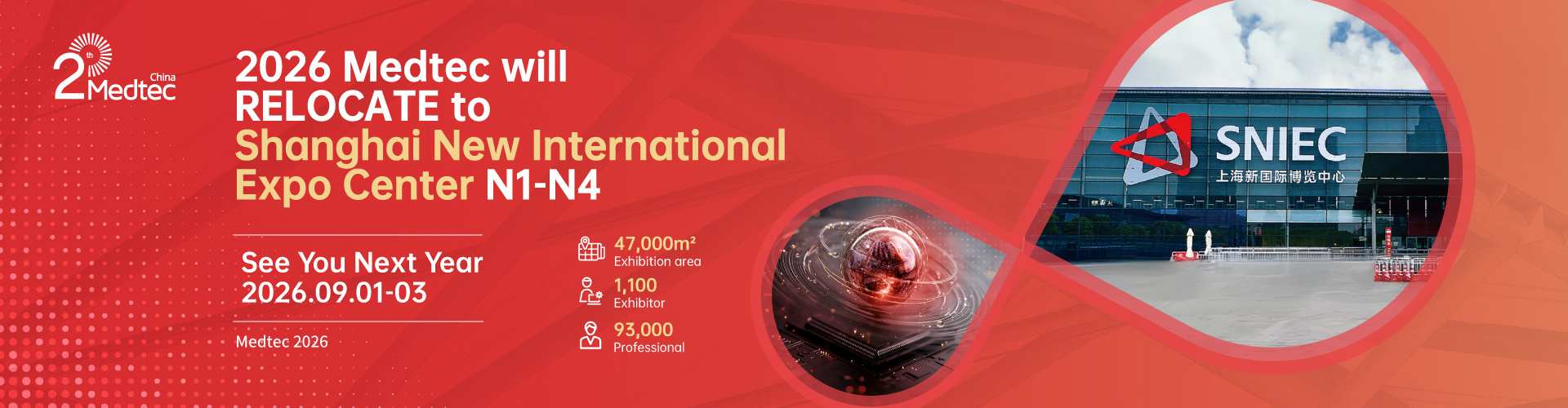
If you are preparing for the Medtec China supply chain expo, it helps to see the event as more than a sourcing trip. Medtec China is a specialized exhibition focused on medical device R&D and manufacturing, bringing together materials suppliers, component manufacturers, automation providers, testing firms, design services, and regulatory support partners across the industry. The 2026 event takes place September 1–3, 2026, at SNIEC N1–N4 in Shanghai. Visitors can pre-register for free before August 30, while onsite entry requires a paid ticket. If your team wants to make better supplier, documentation, and market-readiness decisions before product launch, explore Medtec live and register for Medtec China early so you can turn expo conversations into useful compliance research.
Why compliance research matters before product launch
Compliance research starts long before submission day. It is the work your team does to understand what a product, component, process, and supplier will need in order to support market access.
For medical devices, that often means preparing for two major pathways:
- FDA-related requirements for the U.S. market
- CE mark-related requirements for the EU market
This early research does not mean writing the full submission at the expo. It means gathering the practical information that shapes smarter decisions upstream.
That can include:
- Whether a supplier understands regulated manufacturing
- What documentation can be provided
- How changes are controlled
- Whether materials and processes are traceable
- How testing and validation support may affect your timeline
If you skip this stage, you may discover compliance gaps too late. That can lead to redesigns, supplier changes, extra validation work, or delays in launch.
What compliance research really looks like
For product, regulatory, and sourcing teams, compliance research usually includes questions such as:
- Can this supplier support documentation needs?
- Is the process stable enough for validation?
- Are materials suitable for the intended market?
- Will quality records hold up under review?
- Are there risks tied to change control or subcontracting?
These are not small details. They shape how easy or difficult your path to market becomes.
How international medical expos help teams research compliance
A well-planned expo visit can accelerate compliance learning because it puts many types of partners in one place. Instead of researching in isolation, you can compare suppliers, test assumptions, and hear how different companies support regulated programs.
You can identify the right mix of partners
Compliance research often involves more than one kind of supplier. A team may need help from:
- Component manufacturers
- Material suppliers
- Testing and metrology providers
- Sterilization or packaging specialists
- Design and engineering firms
- Regulatory consulting partners
- OEM/ODM manufacturers
At an international expo, you can evaluate this ecosystem side by side. That matters because compliance is rarely solved by one vendor alone.
You can compare answers in real time
One of the biggest benefits of an expo is speed of comparison. If three suppliers give very different answers to the same documentation question, that tells you something important.
For example, you can quickly compare how suppliers respond to questions about:
- Traceability
- Lot control
- Validation support
- Complaint handling
- Inspection methods
- Material certifications
- Technical file support
That kind of side-by-side insight is hard to get from websites alone.
What to ask suppliers and service partners
The quality of your expo visit depends on the quality of your questions. If you ask only about price and lead time, you will miss signals that matter later in regulatory review.
Documentation questions worth asking
Start with the documents and records your team may eventually need. Useful questions include:
- What quality documentation do you routinely provide?
- Can you support material certifications or certificates of analysis?
- How do you handle batch or lot traceability?
- What records are maintained for process control?
- How are deviations documented and resolved?
- What change notification process do you follow?
These questions help you assess whether a supplier is ready for regulated business, not just commercial orders.
Quality system questions that reveal maturity
A polished booth does not tell you how disciplined the operation is. Ask deeper questions such as:
- What quality system do you follow?
- How do you manage nonconforming product?
- What inspection methods are used in production?
- How do you train operators on controlled processes?
- What happens when a customer requests a process change?
Strong suppliers usually answer clearly, with examples. Weak suppliers often stay vague.
FDA and CE mark considerations in sourcing decisions
Now that we’ve covered what to ask, let’s look at how sourcing links to compliance strategy.
FDA and CE requirements are not identical, but both place real weight on documentation, control, consistency, and risk management. That means sourcing decisions should not be made on unit price alone.
Why supplier choice affects regulatory readiness
A supplier may offer an attractive quote but still create compliance risk if they cannot support:
- Process validation
- Consistent documentation
- Traceability
- Clean manufacturing expectations
- Controlled changes
- Complaint or CAPA-related follow-up
This is where early compliance research becomes valuable. It helps you avoid suppliers that look efficient at first but create friction later.
What sourcing teams should watch for
When comparing suppliers, pay close attention to:
- Medical device experience
- Familiarity with regulated customer requirements
- Ability to explain documentation flow
- Openness about process limits
- Clear answers on subcontracting
- Willingness to support audits or deeper qualification later
In regulated markets, the cheapest path can become the most expensive if it adds quality or submission risk.
Why expos are useful for early-stage regulatory learning
International expos do not replace formal regulatory advice. They do, however, help teams become smarter, faster learners early in development.
What you can learn at the expo
Expos are useful for early-stage learning because they help teams:
- Understand what evidence suppliers can provide
- Learn common documentation practices
- Spot gaps in internal sourcing assumptions
- Identify specialist service partners
- Hear how manufacturing choices affect downstream compliance work
This is especially useful for companies entering new product categories or new markets.
A practical example
Imagine a team developing a new single-use device for both U.S. and EU markets. At the expo, they speak with material suppliers, contract manufacturers, packaging specialists, and testing providers.
By the end of one day, they may learn that:
- One supplier supports strong traceability but limited change control
- Another offers better documentation for validation support
- A packaging partner understands sterile barrier issues tied to market needs
- A testing firm can help close a gap the internal team had not fully scoped
That does not replace a regulatory consultant. But it gives the team a much stronger starting point.
Common mistakes to avoid during compliance research at expos
Expo time moves fast, so it helps to know what can go wrong.
Common mistakes
- Treating compliance as a problem only for the regulatory team
- Asking only commercial questions
- Assuming “medical experience” means submission-ready support
- Failing to compare answers across multiple suppliers
- Confusing confident sales language with real process maturity
Better approach
Use a simple checklist for every serious supplier conversation:
- What documentation can they provide?
- How do they manage traceability and change control?
- What regulated markets do they already support?
- What quality processes are in place?
- What follow-up review should happen after the expo?
This keeps meetings focused and useful.
Expos support research, not regulatory conclusions
This point matters. Expos can support compliance research, but they should not be treated as the final authority on FDA or CE strategy.
Regulatory pathways depend on your product, intended use, classification, technical evidence, and market plan. Formal advice should come from qualified regulatory professionals and validated internal review processes.
Still, expos play an important role. They help you gather early intelligence, identify better-fit partners, and ask stronger questions before critical decisions are locked in.
Conclusion
International medical expos can be highly valuable for FDA and CE mark compliance research when you use them the right way. They help product, regulatory, and sourcing teams compare suppliers, test documentation readiness, and identify service partners that may support smoother market preparation. Use the questions and checklist above at your next event so your team leaves with more than contacts—you leave with clearer compliance insight and better next steps.