
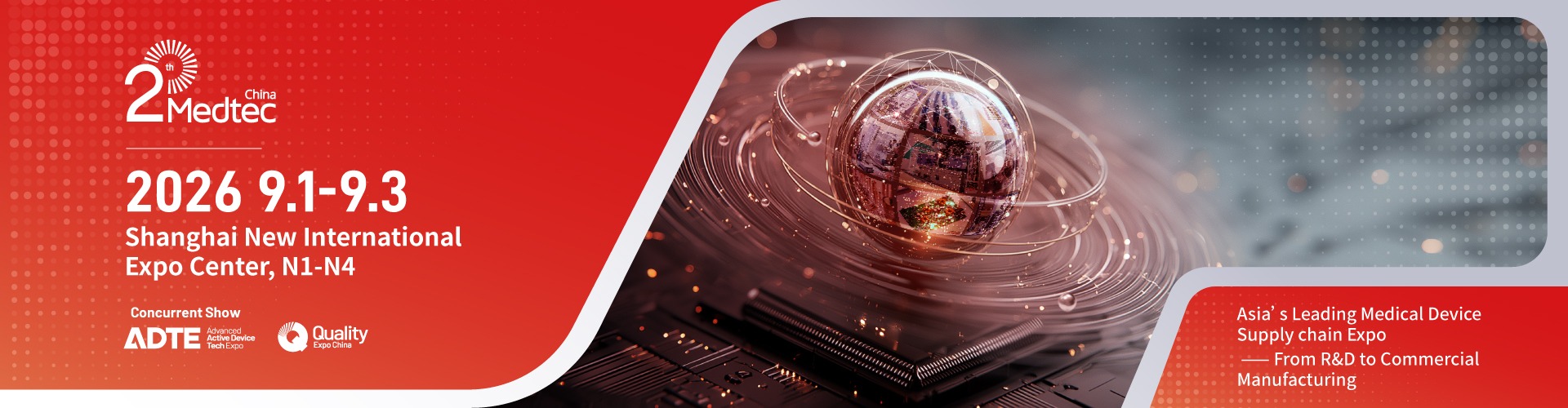
If you are planning to attend Medtec China, it helps to treat the event as more than a sourcing trip. Medtec China is a specialized exhibition focused on medical device R&D and manufacturing, bringing together suppliers across materials, components, precision processing, automation, packaging, testing, and regulatory support. The 2026 edition will take place September 1–3, 2026, at SNIEC N1–N4 in Shanghai. Visitors can pre-register for free before August 30, while onsite entry requires a paid ticket. If you want to strengthen supplier discussions, sharpen your comparisons, and build better negotiating power before formal RFQs begin, explore the international medical device expo and plan to visit Medtec China exhibition with a clear sourcing strategy.
Why Expo Negotiations Are Different From Standard Sourcing Calls
Negotiating at an international medical expo is not the same as negotiating on a scheduled sourcing call or during a formal supplier review.
At the expo, you are working in a fast-moving environment. Conversations happen face to face. Suppliers are presenting their best image. You may be comparing several vendors in the same day. And in many cases, you are still testing fit rather than closing terms.
That changes the goal.
At this stage, strong procurement professionals are not trying to “win” the price discussion in the first five minutes. They are trying to gather leverage, test supplier maturity, and shape stronger negotiation positions for later.
That means expo negotiation is really about three things:
- Learning where you have leverage
- Avoiding weak commitments too early
- Building options before formal quoting starts
Start Building Leverage Before You Attend
Your leverage at the booth begins long before you walk into the hall.
Define what you are really buying
Do not go in with a vague request like “we need a better supplier.” Know what you are sourcing and what matters most.
Be clear on points such as:
- Product or component type
- Annual or expected volumes
- Required tolerances or specifications
- Quality and documentation needs
- Regulatory expectations
- Current supply pain points
- Desired timeline
The clearer your need, the easier it is to control the conversation.
Prepare a supplier comparison framework
When buyers negotiate without a framework, they often react to the most polished booth or the most aggressive first quote.
Instead, prepare a simple scorecard before the event. Compare suppliers on:
- Technical fit
- Quality confidence
- Capacity
- Communication
- Lead time
- Compliance support
- Commercial flexibility
- Risk level
This gives you structure and keeps emotion out of early decisions.
Know your fallback options
Negotiation gets stronger when suppliers know you have alternatives. That does not mean making empty claims. It means genuinely meeting more than one qualified option.
A buyer with one supplier is having a discussion.
A buyer with three credible suppliers is building leverage.
What to Ask in the First Conversation
Your first booth conversation should not jump straight to price. It should help you understand whether the supplier deserves deeper commercial discussion at all.
Focus on fit before terms
Start with practical questions that reveal capability and business alignment.
Useful questions include:
- What medical device segments do you serve most often?
- What similar products or processes do you support?
- What production scale fits you best?
- How do you handle documentation and traceability?
- What lead times are typical for projects like this?
- How do you manage engineering changes?
- What makes customers switch to you from another supplier?
These questions give you insight into confidence, clarity, and experience.
Listen for how they answer, not only what they say
A supplier’s tone can tell you as much as its claims.
Pay attention to whether they:
- Answer directly
- Avoid specifics
- Overpromise
- Bring in technical support when needed
- Understand medical requirements
- Ask thoughtful questions back
Good negotiation starts with good reading of the other side.
Avoid Talking Price Too Early
Many buyers make the mistake of pushing for price at the booth before they understand the real cost drivers behind the offer.
That often leads to one of two bad outcomes:
- You get a vague number with no value
- You anchor the conversation too early and weaken your later position
Why early price talk can hurt you
If you push for price before discussing scope, quality, volumes, validation needs, and service expectations, the number means very little.
You may end up comparing quotes that are not based on the same assumptions. That creates false savings and weak supplier decisions.
Instead, use the early conversation to uncover:
- Cost drivers
- Capacity fit
- Engineering support level
- Tooling or setup complexity
- Documentation expectations
- Supply risk factors
Once those are clearer, later pricing talks become more useful.
Better ways to handle price questions on the floor
If price comes up early, keep the discussion broad but controlled.
You can steer the conversation with questions like:
- What factors usually drive cost most in projects like this?
- At what volume points does pricing improve?
- Where do customers most often over-specify and raise cost?
- What information would you need for an accurate quote?
That approach protects your position while still gathering commercial insight.
Compare Suppliers in Real Time
One of the biggest advantages of an expo is that you can compare multiple suppliers quickly. Good buyers use that to sharpen negotiation power.
Take notes immediately
After each meeting, record short notes on:
- Capability fit
- Responsiveness
- Commercial attitude
- Confidence in quality
- Flexibility
- Risks or red flags
- Next-step potential
Do this right away. By the fifth or sixth booth, details blur.
Look for patterns, not promises
Do not get distracted by the best booth presentation. Compare suppliers on what matters most to your project.
Look for patterns such as:
- Who asks the smartest questions
- Who understands medical compliance better
- Who explains tradeoffs clearly
- Who is realistic about lead times
- Who seems flexible without sounding careless
That is where negotiation strength grows. The more clearly you can compare, the less likely you are to be pushed around later.
Use Cultural Awareness Without Overcomplicating It
International negotiation works better when you stay respectful, clear, and patient.
What matters most in cross-border expo conversations
You do not need perfect cultural fluency. You do need good business habits.
Focus on these basics:
- Be on time
- Be clear about your role and needs
- Avoid overly aggressive language
- Respect that trust may build over more than one meeting
- Do not confuse politeness with agreement
- Confirm important points in writing later
In Shanghai, relationship-building and professionalism both matter. A calm, well-prepared buyer often gets farther than one who tries to force a hard bargain too early.
Stay firm without being rigid
Good procurement negotiation is not about pressure for its own sake. It is about clarity, options, and discipline.
You can be direct while still being constructive. That usually leads to better long-term supplier engagement.
Turn Booth Conversations Into Stronger Post-Event Negotiation Positions
The real negotiation advantage of an expo usually shows up after the event, not during it.
Leave each good meeting with a next step
A booth conversation should move toward a clear follow-up, such as:
- NDA exchange
- Capability deck review
- Sample request
- Factory visit
- Technical call
- RFQ submission
- Documentation review
If there is no defined next step, the conversation may not have real value.
Follow up fast while the details are fresh
Within 24 to 48 hours, send a short message that covers:
- What was discussed
- What information was requested
- What the supplier promised to send
- Your next evaluation step
- The expected timeline
This keeps momentum and shows commercial discipline.
Use what you learned to strengthen formal negotiation
After the event, your leverage improves because you now know:
- Which suppliers are credible
- Which ones are weak on detail
- Who seems eager for business
- Where competition exists
- Which issues matter most in pricing and service
That gives you a better base for RFQs, commercial review, and supplier selection.
A Simple Expo Negotiation Checklist
Before the event, make sure you can answer these questions:
- What are we sourcing?
- What are our must-haves?
- Which suppliers are priority targets?
- What questions must we get answered?
- What will count as a strong next step?
- How will we compare suppliers fairly?
If you have those answers, your negotiation position is already stronger.
Final Thoughts
Procurement negotiation at an international medical expo is less about pushing for instant discounts and more about building informed leverage. The buyers who get the best outcomes usually do three things well: they prepare before the event, ask smart questions on the floor, and follow up with discipline after the show. If you approach the expo as a live market intelligence opportunity rather than a rushed price discussion, you will leave with stronger options, better supplier insight, and far more control in the negotiations that follow.