
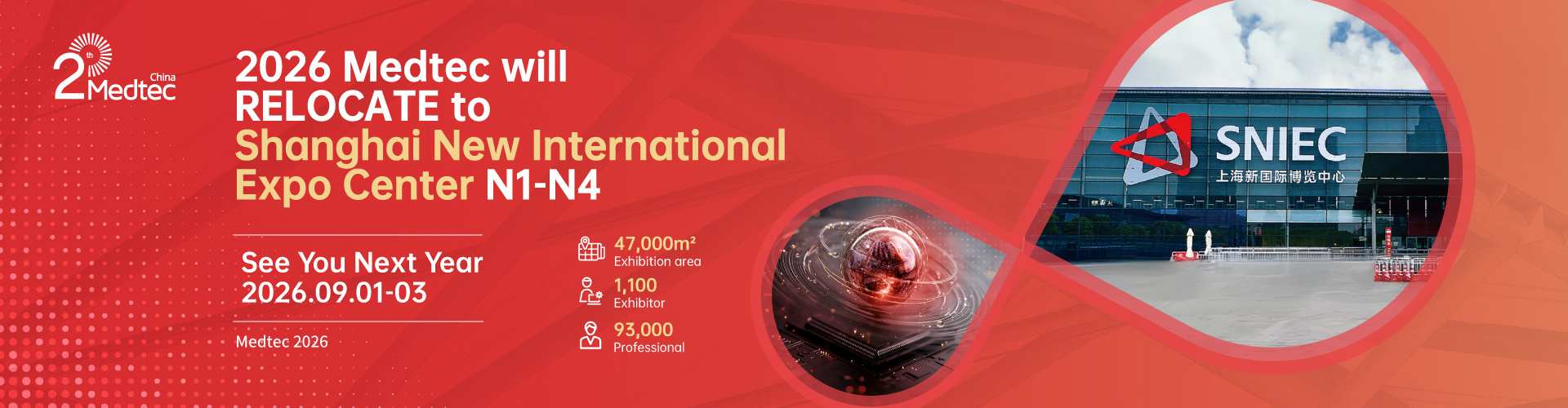
Sustainable medical device manufacturing is no longer a side topic. It is becoming part of how buyers assess suppliers, how manufacturers improve operations, and how product teams think about long-term design choices. At the Medtec China trade show, a specialized exhibition for medical device R&D and manufacturing, these shifts are easier to see in one place. The 2026 event takes place September 1–3, 2026, at SNIEC N1–N4 in Shanghai. Visitors can pre-register for free before August 30, while onsite entry requires a paid ticket. If you want a clearer view of where practical sustainability is heading across materials, manufacturing, packaging, and supply chains, explore the event early and plan to attend 2026 Medtec China to turn broad industry claims into useful sourcing insight.
You’ll learn:
- What sustainability really means in medical manufacturing
- How international expos reveal real industry priorities
- Which materials and packaging trends deserve attention
- How automation can reduce waste without hurting quality
- How to spot real progress and avoid weak green claims
What Sustainability Means in Medical Device Manufacturing
In medical manufacturing, sustainability does not mean lowering standards. It means reducing environmental impact while still protecting safety, quality, compliance, and performance.
That distinction matters. Medical devices operate under strict quality controls. So sustainability efforts must work within real manufacturing limits, not outside them.
It goes beyond energy and recycling
A sustainable manufacturing strategy can include:
- Lower material waste during production
- Better energy efficiency across operations
- Smarter packaging design
- Reduced water use
- Cleaner process controls
- More durable and traceable supplier networks
For industry teams, the key question is simple: can a supplier improve environmental performance without increasing product risk?
Why this matters to sourcing and product teams
Sustainability now affects more than brand image. It can influence:
- Supplier selection
- Cost control over time
- Packaging decisions
- Process efficiency
- Market readiness for future requirements
So the issue is no longer whether sustainability matters. It is how to apply it in a regulated manufacturing environment.
How International Expos Reflect Industry Priorities
A strong expo shows more than products. It shows where supplier investment is going.
At a major Medtec exhibition, you can often see how sustainability is moving from general messaging into specific capabilities. That includes materials, equipment, packaging systems, cleanroom processes, automation, and quality support.
What exhibitors are signaling
When sustainability becomes a real market priority, you start to see exhibitors talk less about broad vision and more about operational proof.
Useful signals include:
- Material efficiency improvements
- Energy-saving production equipment
- Reduced scrap rates
- Packaging optimization
- Recyclable or lower-impact materials
- Process monitoring that cuts rework
These are stronger signs than vague claims about being “eco-friendly.”
Why expos matter for buyers
Expos let buyers compare how different suppliers approach the same challenge. You can ask the same question across multiple booths and quickly see who has a clear answer and who does not.
That makes expos useful for:
- Benchmarking suppliers
- Finding practical solutions
- Testing market maturity
- Separating innovation from marketing
Materials and Packaging Trends Worth Watching
Materials and packaging often sit at the center of sustainability discussions because they affect waste, transport, cost, and product compatibility.
Material trends in sustainable manufacturing
Product teams and sourcing leaders are paying more attention to materials that support both performance and process efficiency.
Areas worth watching include:
- Medical-grade polymers with better processing stability
- Lightweight materials that reduce shipping impact
- Materials that lower scrap during conversion
- Adhesives and bonding solutions designed for cleaner application
- Components designed for more efficient assembly
The best material trend is not always the newest one. Often, it is the one that reduces waste without creating new validation problems.
Packaging is under growing pressure
Medical packaging must protect sterility, usability, and transport integrity. That makes change harder, but not impossible.
Packaging trends promoted at international expos often include:
- Right-sized packaging to reduce excess material
- Designs that improve packing efficiency
- Efforts to reduce unnecessary layers
- Materials that support lower waste profiles
- Labeling and packaging systems that reduce errors and rework
For buyers, the practical question is not “Is this greener?” It is “Does this reduce impact while still protecting the product and meeting regulatory demands?”
How Automation Supports Waste Reduction
Automation plays a bigger sustainability role than many people first assume. It is not just about labor efficiency. It can also reduce waste, improve repeatability, and support tighter process control.
Where automation helps most
In medical manufacturing, waste often comes from inconsistency. A process that drifts creates rejects, rework, delays, and extra material use.
Automation can help reduce that through:
- Better precision in assembly
- More stable process parameters
- Improved inspection accuracy
- Lower defect rates
- Stronger production monitoring
- Better traceability for corrective action
This is where sustainability and quality often align.
A practical example
If a packaging line reduces sealing defects through better automation, the result is not only less scrap. It may also mean fewer delays, less manual rework, and more stable output.
That is the kind of improvement buyers should pay attention to. It creates environmental value through operational discipline, not just messaging.
How to Evaluate Suppliers on Sustainability
If sustainability matters in your supplier review process, you need more than a brochure statement. You need practical evaluation criteria.
Questions worth asking suppliers
Use questions that connect sustainability to operations:
- Where have you reduced material waste in production?
- What process improvements have lowered defect rates?
- How do you monitor energy or resource use?
- Have you improved packaging efficiency in measurable ways?
- What sustainability changes have you made without affecting compliance?
- How do you validate new materials or process changes?
These questions push the discussion toward evidence.
What strong answers sound like
Good suppliers tend to speak in specifics. They can describe:
- A process they improved
- A metric they tracked
- A packaging change they validated
- A scrap reduction effort with clear results
- A tradeoff they managed carefully
Weak answers stay broad and abstract.
How to Separate Real Progress From Green Claims
This is where many buyers struggle. Sustainability language is everywhere, but not every claim reflects meaningful change.
Common signs of surface-level claims
Be cautious when a supplier:
- Uses broad terms without examples
- Avoids discussing tradeoffs
- Cannot explain how changes affect quality
- Focuses only on image-level initiatives
- Has no measurable process improvements to share
A polished sustainability message is not the same as a mature sustainability program.
What to do instead
Look for operational proof. Ask for examples tied to:
- Scrap reduction
- Yield improvement
- Packaging redesign
- Energy-efficient equipment
- Process monitoring
- Material optimization
Then ask one more question: did the change hold up under real production conditions? That is where weak claims often fall apart.
A Simple Buyer Framework for Expo Conversations
If you are walking the expo floor, use a quick framework to keep sustainability conversations useful.
Focus on these five areas
- Materials — Does the supplier reduce waste or improve processing stability?
- Packaging — Are they reducing excess without risking performance?
- Processes — Have they lowered scrap, rework, or energy use?
- Automation — Are they using control systems to improve efficiency?
- Proof — Can they explain what changed and why it matters?
This keeps the conversation practical for sourcing, operations, and product teams.
Conclusion
Sustainable medical device manufacturing is becoming more practical, more measurable, and more tied to real factory performance. International expos help make that visible by showing where suppliers are investing across materials, packaging, automation, and process improvement. The smartest buyers will look past general claims and focus on evidence: lower waste, stronger control, better packaging choices, and validated operational gains.
If you are planning supplier reviews or 2026 sourcing priorities, use expo conversations to test what sustainability really looks like in practice. Start with clear questions, compare answers carefully, and focus on suppliers that can connect environmental progress to quality, compliance, and production results.