
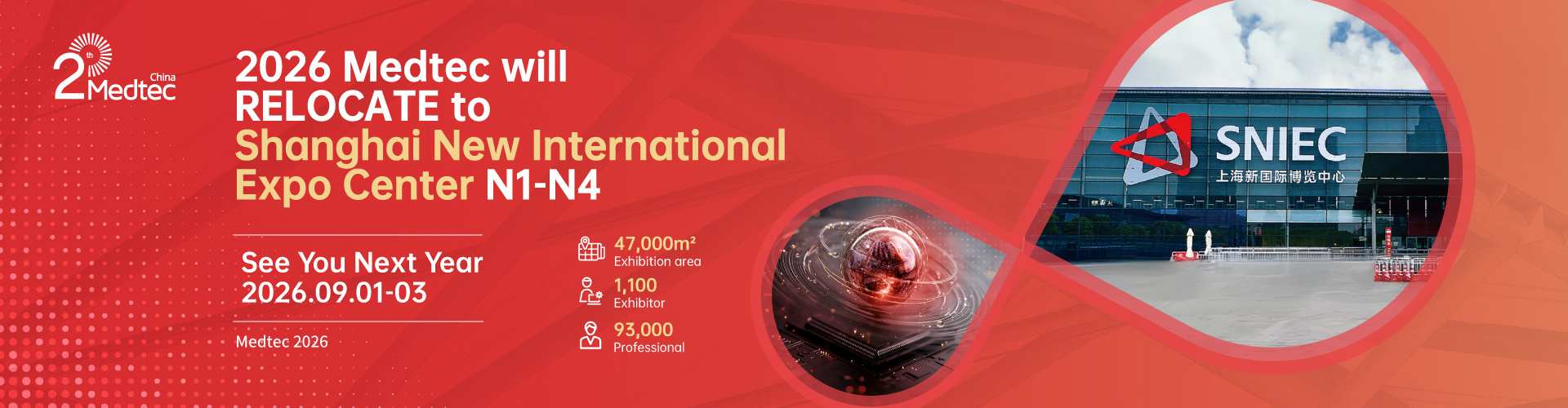
If you are planning to attend the Medtec China medical expo, it helps to think beyond booth visits alone. Medtec China is positioned as a major exhibition for medical device R&D and manufacturing, bringing together suppliers, engineers, sourcing teams, and decision-makers across the global supply chain. The 2026 event takes place September 1–3, 2026, at SNIEC N1–N4 in Shanghai. Visitors can pre-register for free before August 30, while onsite entry requires a paid ticket. Before you finalize your meeting calendar, review the official Shanghai expo guide and get your visitor pass so you can turn expo conversations into real supplier progress with less stress and better outcomes.
Why Off-Floor Meetings Matter
Expo booths are great for discovery. They are not always the best setting for serious supplier evaluation.
On the show floor, you face noise, crowds, time pressure, and constant interruptions. That is fine for a first introduction. It is less effective when you need to discuss tooling, validation, lead times, quality systems, pricing frameworks, or project fit.
Meeting outside the expo gives you room to:
- Ask detailed technical questions
- Involve the right stakeholders
- Review samples or drawings calmly
- Compare capabilities without distractions
- Build trust before moving into formal sourcing steps
If your goal is to qualify a supplier, not just collect brochures, off-floor meetings can save time and reduce mistakes.
Start Shortlisting Before You Arrive
Trying to identify ideal suppliers only after you land in Shanghai usually leads to rushed choices. A better approach is to create a focused shortlist in advance.
Build a practical supplier list
Start with your actual business need. Be specific. Are you sourcing molded components, tubing, automation support, active device assemblies, packaging, sterilization services, or regulatory support?
Then divide suppliers into three groups:
- Priority suppliers: Strong fit based on capability and product scope
- Exploratory suppliers: Worth meeting, but still uncertain
- Backup suppliers: Useful if your first choices do not meet expectations
This keeps your calendar realistic and helps you avoid overbooking.
Pre-screen the right details
Before confirming a meeting, look for signals that a supplier matches your needs:
- Product or process specialization
- Medical device experience
- Export capability
- Quality certifications
- Engineering support
- Production scale
- Communication responsiveness
A fast email exchange can reveal a lot. If replies are slow, unclear, or overly generic before the expo, that may continue after it.
Choose the Right Meeting Format
Not every supplier conversation needs the same setup. The best format depends on what you need to learn.
Best formats for different goals
Quick qualification meeting
Use this when you want to confirm whether a supplier deserves a deeper review.
Good for discussing:
- Core capabilities
- Typical customers
- Production range
- Standard lead times
- Basic compliance readiness
This can work well in a hotel lobby or quiet café near the venue.
Working meeting
Use this when both sides already see potential and need to discuss details.
Good for:
- Drawings and technical specs
- Material options
- Manufacturing risks
- NPI support
- Documentation expectations
This meeting needs a quieter setting and more time.
Factory visit
Use this when supplier qualification is moving forward and operational proof matters.
Best for reviewing:
- Equipment condition
- Process control
- Cleanliness and workflow
- Quality culture
- Team depth
A factory visit often gives you more insight than a polished booth ever can.
Where to Meet in Shanghai
A practical meeting location can improve the quality of the conversation.
Hotel lobbies and meeting lounges
These are often the easiest choice for busy expo schedules. They are accessible, professional, and easy to fit between hall visits.
They work best when:
- You need 30 to 60 minutes
- The conversation is commercial or introductory
- Both parties are managing packed calendars
- You want a neutral environment
Choose a quieter hotel space if you expect to review sensitive details.
Supplier offices
An office meeting can be useful if you want to understand company structure, team organization, and responsiveness beyond the sales pitch.
This format works well when:
- A technical manager needs to join
- You want to see basic documentation flow
- You are discussing a live project
Factory visits
If the supplier is a serious candidate, a factory visit is often worth the extra travel time. It helps answer questions that are hard to solve at the expo.
During the visit, pay attention to:
- Process consistency
- Equipment utilization
- Traceability systems
- Incoming and in-process controls
- Cleanroom or controlled environment practices, if relevant
- How confidently the team answers operational questions
Plan Around Shanghai Timing and Business Culture
A good meeting can fail because of poor timing, not poor fit.
Leave buffer time between appointments
Shanghai traffic can be unpredictable, especially if you are moving between the expo venue, hotels, and industrial areas. Avoid back-to-back offsite meetings unless they are in the same area.
A safer plan is:
- One early meeting before the expo
- Booth visits during show hours
- One off-floor meeting late afternoon or evening
- Factory visits on a separate half day or full day if possible
This gives you breathing room and reduces delays.
Respect practical business norms
You do not need to overcomplicate cross-cultural etiquette, but a few habits help:
- Be on time
- Share your company background clearly
- Bring business cards if you use them
- Confirm attendee names and roles in advance
- Avoid vague requests
- Show you understand your own technical needs
Clear preparation is often more impressive than polished small talk.
Set an Agenda That Moves the Discussion Forward
Many supplier meetings feel productive in the moment but produce no clear next step. Usually, that is an agenda problem.
What to send before the meeting
A simple pre-meeting note helps both sides prepare. Include:
- Your company and product area
- What component or service you need
- Target volumes or project stage
- Key technical concerns
- Main questions for the meeting
- Who will attend from your side
This helps the supplier bring the right people, not just a sales representative.
What to cover during the meeting
A strong agenda often includes:
- Brief introductions
- Project or sourcing need
- Supplier capability review
- Quality and compliance discussion
- Capacity, timelines, and support
- Next-step documents or samples
- Follow-up owner and deadline
This structure keeps the discussion practical and helps both sides leave with clarity.
Ask Questions That Reveal Real Capability
Good supplier meetings are not about hearing polished claims. They are about testing whether the supplier can support your program.
Useful questions include:
- What similar medical projects have you supported?
- What production tolerances do you handle most often?
- How do you manage change control?
- What does your validation support look like?
- Which quality issues appear most often, and how do you address them?
- How do you handle urgent design changes or forecast shifts?
The goal is not to trap the supplier. It is to understand how they think, communicate, and solve problems.
Follow Up While the Meeting Is Still Fresh
A promising meeting loses value if follow-up happens too late.
What to do within 24 to 48 hours
Send a short recap covering:
- What was discussed
- What documents or samples were promised
- Open questions
- Next checkpoint date
- Internal owner on your side
This helps prevent confusion and shows you are serious.
Compare suppliers in a structured way
After several meetings, memory gets messy. Use a simple comparison sheet with criteria such as:
- Technical fit
- Communication quality
- Quality confidence
- Commercial potential
- Speed
- Risk level
This makes post-expo decisions more objective.
Final Thoughts
The expo floor is where many supplier relationships begin. It is rarely where the best supplier decisions are made. When you plan off-floor meetings with intent, choose the right format, and follow up fast, you turn a busy Shanghai trip into a real sourcing advantage. The strongest results usually come from a simple idea: treat each meeting not as a casual introduction, but as a step toward supplier clarity, risk reduction, and better long-term partnerships.