
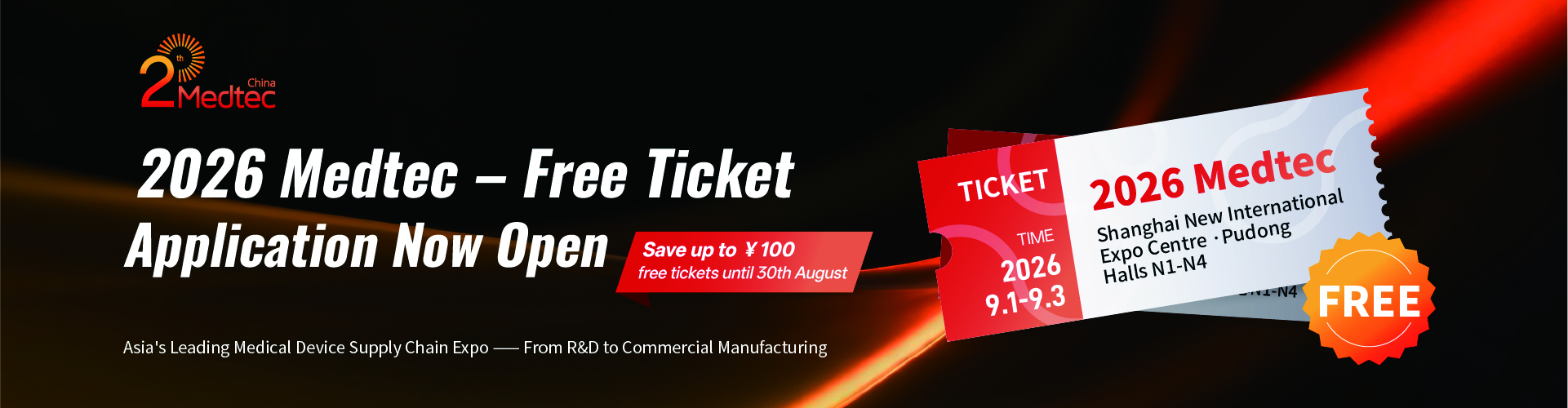
Medical device manufacturing relies heavily on strong global partnerships. To build these vital relationships, understanding local cultural expectations proves just as important as knowing your technical specifications. The upcoming 2026 Medtec China exhibition serves as the perfect venue to forge these connections. Scheduled for September 1 to 3, 2026, at the SNIEC (Pudong) N1-N4 in Shanghai, this event is Asia’s leading platform dedicated exclusively to medical device R&D and manufacturing. It brings together 1,100 specialized exhibitors and 93,000 industry professionals. You can explore nine distinct product themes, covering everything from advanced materials to smart factory automation. Pre-registration is free before August 30th, saving you the ¥100 onsite fee. Prepare your procurement team for success and visit Medtec China exhibition to secure your spot today.
Traveling to Shanghai requires more than just booking a flight and packing your product schematics. You must adapt your professional approach to align with local customs. Here are the essential cultural dos and don’ts for Western professionals attending a major manufacturing expo.
The Art of the Business Card Exchange
In Western business settings, professionals often toss business cards into their pockets without a second thought. At any major China medical exhibition, the business card acts as an extension of the person. You must treat it with utmost respect.
When you approach a booth to discuss precision laser processing or medical-grade polymers, present your card using both hands. Ensure the text faces the recipient so they can read it immediately. If your card has a translated side, ensure the Chinese text faces upward.
When a supplier hands you their card, receive it with both hands. Pause and study the card for a few moments. Acknowledge the person’s title and company name. Never fold the card, write notes on it, or shove it into your back pocket. Place it carefully on the meeting table or slide it into a dedicated, high-quality cardholder.
Navigating Communication and “Face”
The concept of “face” (mianzi) drives all professional interactions in this region. Face involves maintaining dignity, prestige, and respect for all parties involved. You must avoid causing public embarrassment or pointing out mistakes directly.
Western buyers often favor blunt, direct communication. We want to hear a clear “yes” or “no” immediately. Local suppliers prefer a more indirect approach. If a contract manufacturer cannot meet your required minimum order quantities, they might say the request is “inconvenient” or “requires further study” rather than giving a flat refusal.
You should adopt this nuanced communication style. Instead of rejecting a prototype harshly, express that the design needs slight modifications to fit your market. Protect the supplier’s face, and you will build a foundation of deep, mutual trust. This harmony leads to smoother negotiations when discussing complex topics like ISO 13485 compliance or electronic drive control systems.
Acknowledging Hierarchy and Professional Titles
Status and rank matter heavily during formal business meetings. You will notice this structure immediately when you sit down to negotiate with an OEM provider.
Always address the most senior person in the group first. Use their formal title and last name, such as “Director Wang” or “Manager Li.” Avoid using first names unless they explicitly invite you to do so.
Pay close attention to seating arrangements. The host typically directs you to a specific chair. The most senior guest usually sits facing the door, with their team arranged by rank. Acknowledging and respecting this structure shows your cultural competence. It signals to the supplier that you are a serious, professional partner capable of handling long-term international contracts.
Networking Beyond the Expo Floor
A significant portion of your relationship-building happens after the exhibition closes for the day. Exhibitors frequently invite potential buyers to formal dinners. You should accept these invitations enthusiastically.
Meals serve as the primary venue for developing “guanxi,” which translates to personal connections and networks. Strong guanxi ensures your orders receive priority when supply chains tighten.
During the banquet, wait for your host to begin eating before you start. Follow your host’s lead during toasts. You do not need to finish your drink every time, but raising your glass and taking a sip shows goodwill. Keep the dinner conversation light and focused on building rapport. Save the intense price negotiations and technical discussions about IVD reagents or sterilization technologies for the meeting room the next morning.
Prepare for Your Sourcing Journey
Mastering these cultural nuances gives you a massive competitive advantage. When you respect local customs, suppliers view you as a reliable, long-term partner rather than just another transactional buyer. This respect translates directly into better pricing, faster communication, and higher quality control.
Take the time to train your R&D and procurement teams on these essential etiquette rules before your flight. Pack plenty of bilingual business cards, prepare your technical questions, and get ready to engage with the world’s most capable medical device manufacturers. Register for your visitor badge now and start planning a highly successful sourcing trip.