
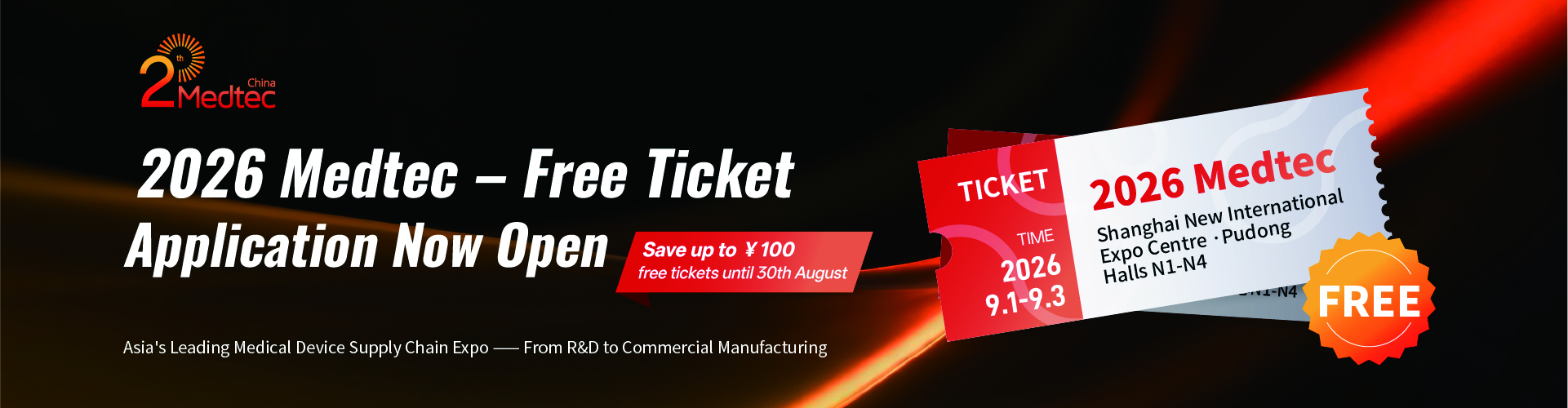
Sourcing reliable suppliers requires more than just browsing catalogs and reviewing spec sheets online. The upcoming 2026 Medtec China exhibition offers a premier platform to meet top-tier vendors face-to-face. Scheduled for September 1–3, 2026, at the SNIEC (Pudong) N1-N4 in Shanghai, this event focuses entirely on medical device design and manufacturing. With 1,100 specialized exhibitors and 93,000 industry professionals expected to attend, you gain direct access to advanced materials, precision components, and smart factory solutions. Visitor pre-registration is completely free before August 30th, saving you the ¥100 onsite ticket fee. Register for Medtec China today to secure your badge and start planning your strategic sourcing approach.
Walking a massive exhibition floor can feel overwhelming. To cut through the noise and identify true manufacturing partners, you need a highly targeted conversation strategy. Bring this specific list of questions to your next supplier meeting to evaluate their capabilities, compliance, and reliability.
Quality and Regulatory Compliance
Medical device components must meet strict regulatory standards. A minor documentation failure can delay your product launch by months. Start your supplier conversations by verifying their commitment to quality.
1. “Can you walk me through your current ISO 13485 certification and recent audit history?”
Do not just accept a “yes” when asking about certifications. Ask about their most recent audits. A transparent supplier will gladly discuss their compliance record and how they maintain standards for CE Mark or FDA requirements.
2. “How do you manage material traceability from raw input to final component?”
Traceability is non-negotiable in medical manufacturing. The supplier must demonstrate exactly how they track resin batches, metal alloys, and specialized adhesives through their entire production lifecycle. Look for partners who use automated software rather than manual paper logs.
3. “What is your exact process for handling defects and corrective actions (CAPA)?”
Mistakes happen in manufacturing. You need to know how the supplier reacts when a batch fails inspection. Ask them to explain their Corrective and Preventive Action process to ensure they identify root causes rather than just replacing bad parts.
Production Capacity and Flexibility
Your sourcing needs will change as your product moves from prototyping to mass market commercialization. You must ensure your partner can scale with your business.
4. “What are your minimum order quantities (MOQs) for initial production runs?”
Startups and companies launching new products often need smaller initial batches. Finding a supplier willing to accommodate flexible MOQs during your initial market launch saves you from tying up capital in excess inventory.
5. “How do you handle sudden surges in production demand?”
A successful product launch might require you to double your order volume overnight. Ask the vendor about their machine capacity, shift structures, and facility space to confirm they can scale up rapidly without compromising quality.
6. “Where do you source your raw materials, and do you have backup suppliers?”
Global disruptions highlight the danger of fragile supply chains. A strong contract manufacturer maintains a redundant network for their own raw materials. If they rely on a single source for a specialized polymer, their bottleneck becomes your bottleneck.
Technical Capabilities and Equipment
You need to verify that the supplier actually possesses the technical skills they advertise on their booth banners.
7. “Do you offer Design for Manufacturability (DFM) support early in the process?”
The best suppliers act as an extension of your engineering team. Ask if their engineers will review your CAD files and suggest minor design tweaks that make the component faster, cheaper, and safer to produce at scale.
8. “What specific metrology and automated inspection equipment do you use?”
Quality cannot be inspected into a product manually. Ask about their optical inspection machines, coordinate measuring machines (CMM), and in-line testing protocols. Advanced smart factory automation ensures consistent tolerances across thousands of units.
Business Continuity and Partnership
A transactional vendor just sells you parts. A strategic partner protects your business interests and helps you grow over the long term.
9. “How do you protect your clients’ intellectual property and proprietary designs?”
Your device blueprints are your most valuable asset. The supplier must explain their data security protocols, employee confidentiality agreements, and how they secure physical prototypes on their factory floor.
10. “Can you break down the Total Cost of Ownership (TCO) beyond the unit price?”
The cheapest quote often ends up being the most expensive option once you factor in shipping delays, high scrap rates, and communication barriers. Ask them how their location, packaging services, and defect rates impact your final bottom line.
Take the Next Step in Your Sourcing Journey
Asking these ten questions shifts you from a passive buyer to a strategic procurement leader. By holding suppliers to these high standards, you build a resilient, compliant, and highly efficient manufacturing pipeline. Gather your team, define your component gaps, and prepare to interview the best manufacturers in the industry. Head to the registration page today to secure your entry and begin scheduling your most important meetings of the year.