
A comprehensive list of things to consider when selecting the right manufacturer for their needs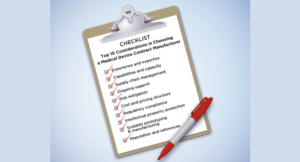
The global medical device outsourcing market size was estimated at $128.8 billion in 2023 and is anticipated to grow 12.8% per year from 2024 to 2030. For many medical device manufacturers (OEM), the only way to compete in this growing market is to outsource part, or sometimes all, of their design, prototyping, supply chain management, manufacturing, assembly, testing, and packaging to a qualified contract manufacturer.
It’s little wonder that choosing the right partner can make all the difference in an OEM’s long-term business strategy. That’s why I assembled the following checklist to help customers select the right medical device contract manufacturer for their needs.
1. Experience and Expertise
Does the contract manufacturer have a proven track record producing similar medical devices? Medical devices are intricate products with stringent regulatory requirements. An experienced contract manufacturer with a history of producing similar devices will understand the nuances of your product type. This experience can translate to:
- Smoother Development:They’ll be familiar with the challenges and potential pitfalls associated with your device’s specific design and functionality. This can help avoid costly delays during development and production.
- Realistic Timelines:Having experience with similar projects allows the contract manufacturer to provide more accurate estimates for timelines and milestones. They can account for potential hurdles based on past experiences.
- Project Management Expertise:An experienced contract manufacturer will have a team of project managers familiar with the specific needs of medical device projects. This ensures effective communication, problem-solving, and adherence to project timelines.
- Roadmap to Commercialization:A contract manufacturer with experience bringing similar devices to market can be a valuable partner in navigating the regulatory landscape and developing a go-to-market strategy. They can help you anticipate and address potential roadblocks during the commercialization process.
Ultimately, experience fosters trust and confidence. Knowing your partner has successfully produced similar devices gives you peace of mind that they possess the necessary capabilities to handle your project effectively.
2. Capabilities and Capacity
Make sure to assess the contract manufacturer’s ability to handle your project in terms of production capacity, technological capabilities, and scalability. Consider the following: How agile and scalable are their operations? Are they equipped to sustain production demands? A strategic manufacturing partner can offer increased flexibility and responsiveness that may exceed your own capabilities. Consider the following:
- Meet Current and Future Demand:Can your manufacturing partner handle your current production volume comfortably? What about potential future growth? Ensure they have the necessary equipment, workforce, and space to meet your anticipated needs.
- Avoid Bottlenecks:Evaluate the contract manufacturer’s production line for potential bottlenecks that could slow down your output. Inquire about their capacity planning process to ensure smooth production flow.
- Match Your Device Requirements:Does the contract manufacturer possess the technology and expertise required to manufacture your specific device? Consider factors like material compatibility, precision machining capabilities, and cleanroom environments if applicable.
- Stay Up-to-Date:Look for a contract manufacturer that invests in keeping their technology current. This ensures they can adapt to advancements in manufacturing techniques and materials, potentially improving your device’s functionality or production efficiency.
- Adapt to Change:Can the contract manufacturer scale their operations up or down to meet fluctuations in demand? This is crucial for accommodating future growth or market changes. Look for someone with a flexible manufacturing infrastructure.
- Fast Custom Development:If your project involves rapid prototyping or requires quick turnaround times, inquire about the contract manufacturer’s capabilities in these areas. Look for a partner with experience in fast-track development processes.
- Material Converting Expertise:Do they have the necessary equipment and expertise to handle the specific materials required for your device? This could involve capabilities like injection molding, laser cutting, or specialized cleaning techniques.
- Sterilization Management:Ensure the contract manufacturer has expertise in the sterilization methods required for your specific device. They should have validated sterilization processes and comply with relevant regulations.
3. Supply Chain Management
A competent contract manufacturer can help simplify and de-risk your supply chain by consolidating sourcing, creating faster lead times, and helping you commercialize products quickly and efficiently. Evaluate the manufacturer’s practices to ensure reliability and efficiency in sourcing components and materials that meet your exacting quality standards. Here’s how a competent contract manufacturer can simplify and de-risk your operations:
- Reduce Complexity:A contract manufacturer with established supplier relationships can take on the responsibility of sourcing all necessary components and materials for your device. This eliminates the need for you to manage multiple vendors, saving you time and resources.
- Improve Quality Control:A contract manufacturer with a strong focus on quality can ensure consistent sourcing from reliable and reputable suppliers who meet your stringent quality standards.
- Negotiation Leverage:Due to their high-volume purchasing power, contract manufacturers often have leverage to negotiate competitive pricing with suppliers. This can potentially lower your overall production costs.
- Streamline Processes:A contract manufacturer with well-established sourcing and inventory management procedures can ensure a steady flow of materials, minimizing delays and keeping your production lines running smoothly.
- Proactive Inventory Management:By anticipating your needs and maintaining appropriate inventory levels, the contract manufacturer can prevent stockouts that could disrupt your production schedule.
- Logistics Expertise:Many contract manufacturers have established relationships with reliable shipping and logistics providers. They can optimize transportation routes and ensure timely delivery of materials, further improving your lead times.
- Improve Time-to-Market:By streamlining your supply chain and minimizing delays, a contract manufacturer can help get your medical device to market faster. This allows you to capitalize on market opportunities and gain a competitive edge.
- Reduce Risks:A reliable contract manufacturer can mitigate risks associated with supply chain disruptions, such as material shortages or quality issues. This provides you with greater peace of mind and allows you to focus on other aspects of your business.
4. Ongoing Support
Will the manufacturer be able to offer comprehensive turnkey support throughout the entire production process – and beyond. Make sure to assess capabilities around technical assistance, troubleshooting, and responsiveness to your needs.
5. Risk Mitigation
Identify potential risks in the manufacturing process and assess how the contract manufacturer plans to mitigate them. Assess their Quality Management System (QMS) to ensure robust processes for design, production, and post-market surveillance, guaranteeing the quality and safety of your medical device. Proactive risk management is crucial for ensuring product quality and compliance. Key contract manufacturer capabilities to evaluate:
- Material Expertise:Look for a contract manufacturer with experience sourcing and handling the specific materials required for your medical device. This ensures they understand the unique properties and challenges associated with those materials.
- Inventory Control:Evaluate the contract manufacturer inventory management practices. They should have robust systems in place to maintain accurate stock levels, minimize waste, and ensure timely material availability.
- Warehousing:Investigate the contract manufacturer warehousing capabilities. They should have secure and well-maintained facilities that meet all relevant regulatory requirements for medical device storage.
- Shipping:Ensure the contract manufacturer has established relationships with reliable shipping partners who can deliver materials efficiently and cost-effectively.
6. Cost and Pricing Structure
While cost is a significant consideration, it should not be the sole determining factor. Evaluate the contract manufacturer’s pricing structure in conjunction with their quality and reliability to ensure value for money.
7. Regulatory Compliance
Compliance with regulatory standards is non-negotiable in the medical device industry. Ensure the contract manufacturer adheres to regulatory standards such as FDA regulations (for the U.S.), ISO 13485 certification, and other relevant standards for your target market.
8. Intellectual Property Protection
Protecting your intellectual property is paramount. Choose a contract manufacturer with robust measures in place to safeguard your proprietary information and prevent unauthorized use or disclosure.
9. Scalable Prototyping & Manufacturing
A seamless transition from prototyping to high-volume manufacturing is critical for success. This is where a contract manufacturer with expertise in scalable prototyping and manufacturing becomes invaluable. Here’s how such a partner can benefit your project:
- Rapid Prototyping Capabilities:A scalable contract manufacturer can create functional prototypes quickly and efficiently using techniques like 3D printing or rapid machining. This allows you to refine your design, gather user feedback, and secure regulatory approvals before full-scale production.
- Scalable Manufacturing Processes:The contract manufacturer should be able to adapt their manufacturing processes to seamlessly transition from low-volume prototyping to high-volume production. This might involve utilizing similar technologies for both stages, employing modular production lines that can easily scale up.
10. Reputation and References
Research the manufacturer’s reputation in the industry and seek references from past clients. A positive reputation indicates reliability, trustworthiness, and customer satisfaction. Here’s what to consider:
- Industry Recognition:Look for awards, certifications, or positive mentions in industry publications or reports.
- Customer Reviews:Seek out online reviews and testimonials from past clients. This can provide valuable insights into the contract manufacturer’s strengths and weaknesses.
- Industry Events:Attend industry events and conferences to network with other medical device companies. Ask for recommendations and gather feedback on various contract manufacturers.
- Flexibility:You can expect a contract manufacturer comfortable working with both large and small brands to be flexible and adaptable to your specific needs, regardless of your company size.
- Proven Track Record:Experience with diverse projects demonstrates the contract manufacturer’s ability to successfully manage medical device manufacturing across different scales and complexities.
As if this checklist weren’t enough, here’s a breakdown of additional criteria to consider when selecting a contract manufacturer:
- Design for Manufacturability:If you use a design firm, ensure they prioritize designing your product for efficient and cost-effective manufacturing by the contract manufacturer.
- Change Management Process:Look for a contract manufacturer with a documented and well-defined change management process. This ensures any changes to your device design or manufacturing procedures are implemented smoothly and effectively, with proper documentation and regulatory approval.
- Proximity:Consider the benefits of a contract manufacturer located close to your facilities or target markets. This can facilitate easier communication, reduce shipping costs, and allow for quicker response times in case of issues.
- Safety and Security:Choose a contract manufacturer in a location with a stable political and economic climate. This minimizes risks associated with disruptions or safety concerns.
- Redundancy:Look for a contract manufacturer with redundancy built into their operations. This could include having multiple manufacturing facilities, diverse suppliers, and backup resources to ensure continued production in case of disruptions.
- Sustainability:Build for long-term performance and sustainability from the outset. This includes considering factors like material selection, single-use consumables, reusable equipment, and packaging design.
Conclusion
Ultimately, a qualified contract manufacturer offers more than just production capabilities, they can be a force multiplier. They bring to the table established and efficient processes that can streamline your time to market. Moreover, they may offer valuable insights to help you engineer your product in a more cost-efficient or environmentally friendly manner.
The decision to choose a medical device contract manufacturer is a complex one that requires careful consideration of various factors. By prioritizing long-term business strategy and evaluating potential manufacturers against these key considerations, you can make an informed choice that sets your project up for success.
Article Source: MPO